

Emerging Dynamics in Spain's 2030 World Cup Hosting Bid
Spain's aspiration to host the 2030 World Cup is currently experiencing significant shifts, particularly following the recent withdrawal of the city of La Coruña from its bid to host matches. This decision leaves Spain with nine cities still in contention, while Valencia awaits confirmation regarding its participation. The organizing committee, comprising Spain, Portugal, and Morocco, has reiterated that the bidding process remains fluid, allowing for potential changes as they move towards finalizing the list of host cities.
After the withdrawals of La Coruña and Málaga, Spain has retained nine of the eleven stadiums initially submitted to FIFA. Morocco remains steadfast in its plan to maintain its six proposed venues, despite internal discussions about possible reductions, while Portugal is likely to keep its three-stadium proposal intact. FIFA is actively touring candidate cities as part of its evaluation process, with reports suggesting a preference for a final list comprising 16 to 18 stadiums, similar to the number of venues currently in use for the ongoing tournament across the U.S., Mexico, and Canada. Initially, the bid featured 20 stadiums, but recent changes have brought this number down to 18. Valencia's Nou Mestalla, which was previously sidelined due to disputes between the club and local authorities, appears to be on the verge of being reinstated.
Challenges and Considerations for Candidate Cities
The Spanish Football Federation (RFEF) has consistently maintained that its initial selection was provisional, emphasizing that FIFA's criteria will ultimately dictate the final list of host cities. The requirements for hosting World Cup matches are stringent, with stadiums needing to accommodate approximately 42,000 spectators and comply with a comprehensive set of infrastructure and operational standards. Several venues have already committed to significant renovation projects, necessitating financing agreements that FIFA mandates must be fully secured. These demanding conditions have contributed to early exits from the bidding process by cities such as Murcia and Gijón, which expressed concerns about meeting the 2028 deadline for necessary upgrades.
The exits of Málaga and La Coruña are particularly noteworthy, as both cities were seen as strong contenders. Málaga's withdrawal resulted from complications related to stadium renovations and commitments involving the local football club, while La Coruña faced ongoing tensions with Deportivo La Coruña, which holds a long-term lease on its stadium. The RFEF insists that it did not force any city to withdraw, allowing each municipality to assess its ability to meet FIFA's requirements realistically.
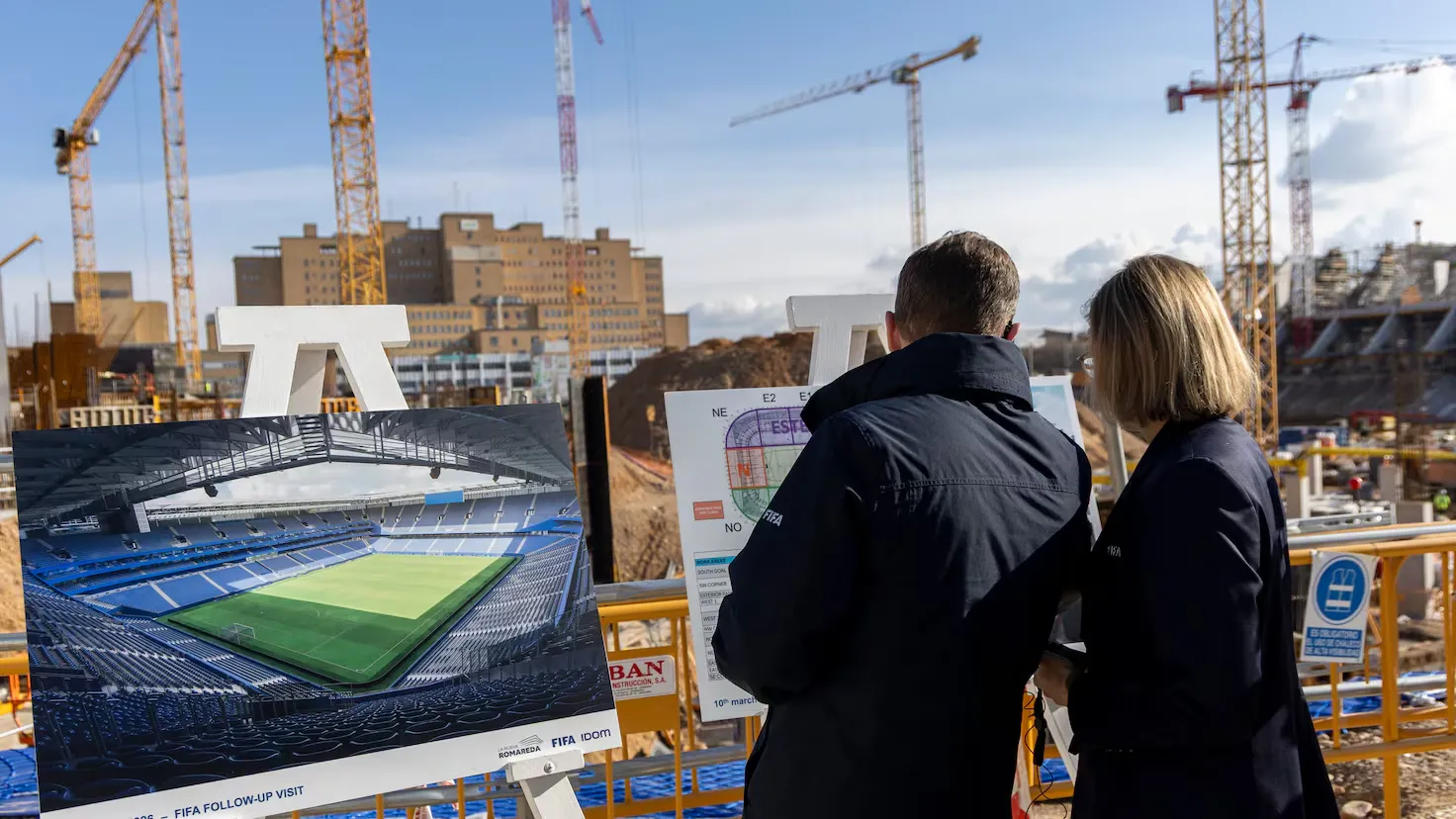
Among the stadiums still in the running, several are seen as frontrunners, including the Bernabéu, Camp Nou, San Mamés, La Cartuja, and the new Romareda, where stakeholders have consistently aligned. FIFA inspectors have recently visited Gran Canaria, where concerns remain regarding financing for stadium upgrades, while Anoeta has encountered challenges, including neighborhood opposition. Even the Metropolitano, one of Spain's most modern venues, raises questions due to its dual role as a hub for concerts and large events, complicating FIFA's requirement for full operational control of host stadiums well in advance of the tournament.
Despite these challenges, the RFEF believes it has sufficient depth to navigate these complexities. The Nou Mestalla in Valencia is now poised to rejoin the project following the resolution of disputes between the club and the city hall. This venue is projected to be among the most modern in Spain, and FIFA is reportedly in favor of its inclusion. Vigo is also eager to be added to the list, particularly following La Coruña's withdrawal, which has rekindled discussions about its candidacy. However, the RFEF remains cautious regarding Vigo's intentions, questioning whether they are genuinely committed or politically motivated, given that renovations at Balaídos may still fall short of FIFA's minimum requirements.
Meanwhile, Morocco and Portugal have presented more cohesive proposals, although FIFA retains the authority to make adjustments as it sees fit. Morocco's ambitious six-stadium plan aims not only to host matches but also to stimulate nationwide infrastructure modernization, with the Hassan II Stadium in Casablanca, expected to seat around 115,000 spectators, positioned as a potential venue for the final. However, there is speculation that FIFA may reduce the number of Moroccan venues to streamline the overall list, with Fez mentioned as a possible exclusion, though no official confirmation has been provided.
Portugal's proposal includes three major stadiums: Benfica's Estádio da Luz, Sporting's José Alvalade, and Porto's Estádio do Dragão, all of which meet international standards. Given the significant travel demands of the 2030 World Cup, which will involve navigation across three host nations and an inaugural kickoff in South America, a reduced number of venues could facilitate more concentrated match schedules, minimizing long-distance travel and the environmental impact. As FIFA continues its inspections, the findings will play a crucial role in shaping a tournament that remains dynamic and subject to change.
As reported by en.as.com.
