
Potential Mass Migrant Crossing in Ceuta Under Scrutiny
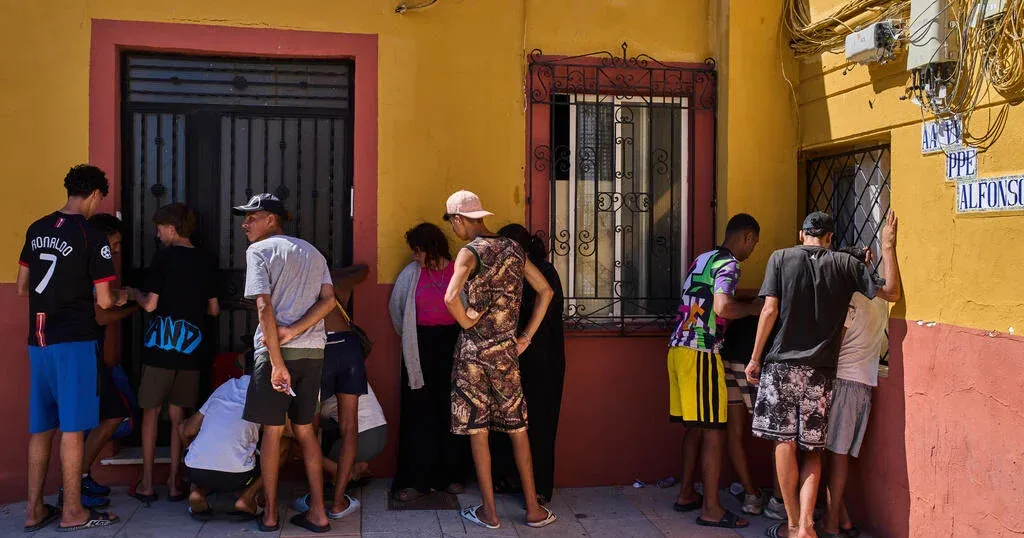
Spanish authorities are closely monitoring social media platforms for indications of a possible organized effort encouraging a mass migration attempt into Ceuta, a Spanish-controlled enclave, scheduled for August 15, 2026. This follows a dramatic influx of over 72,000 migrants who crossed the border illegally just last week, leading to international scrutiny and condemnation from various global leaders, including President Trump and Italian Prime Minister Giorgia Meloni. According to a spokesperson from the Spanish Interior Ministry, around 70,000 of these individuals have since been returned to Morocco.
The social media landscape has become a focal point in this evolving situation, with CBS News uncovering multiple posts on Facebook that promote a renewed initiative for migrants to traverse from Morocco into Ceuta. These posts, circulating within two public groups named "Migration to Ceuta Inshallah" and "Moroccan migrants (Harraga Maroc)"—which collectively boast more than 74,000 members—suggest that a significant gathering is planned at the Ceuta crossing on a public holiday, potentially leading to heightened activity at the border.
Government Response and Social Media Monitoring
Raul Diaz, a representative from the Spanish Interior Ministry, stated that the National Police and Civil Guard are actively monitoring these online trends to assess the situation and determine the appropriate response based on perceived threats. In tandem, Meta, the parent company of Facebook, confirmed that it has deployed a dedicated team to oversee the situation in Ceuta, ensuring the removal of any content that may violate platform policies, particularly those facilitating human smuggling.
In connection with these events, a report from the Spanish news outlet Mañaneros revealed that Spanish law enforcement has been investigating the likelihood of another mass migration event, analyzing various social media groups that discuss logistics and plans related to the proposed August 15 crossing.
This alarming trend has been attributed to a combination of human trafficking networks and misleading information proliferated across social media. For instance, a 70-page report compiled by José María Gil Garre, co-director of the Madrid-based International Security Observatory, detailed the online activities that have spurred Moroccans to attempt the perilous journey to Ceuta. He noted a rise in these activities following a Spanish Supreme Court ruling on July 8, which inadvertently fueled misconceptions about the rights of migrants who manage to reach Spanish soil. Many individuals are operating under the false belief that reaching Ceuta guarantees asylum in Europe, despite the complexities of immigration laws.
As the situation unfolds, it remains crucial for authorities to navigate the delicate balance of humanitarian concern and border security, especially given the tragic loss of life reported in recent crossings. According to pathologists, approximately 80 migrants have perished during these perilous attempts to reach Ceuta. The implications of these developments will continue to resonate not only within Spain and Morocco but across the broader European landscape, as the struggle for safe and legal migration routes persists.
As reported by cbsnews.com.