
Evacuation of Migrant Camp in Ceuta
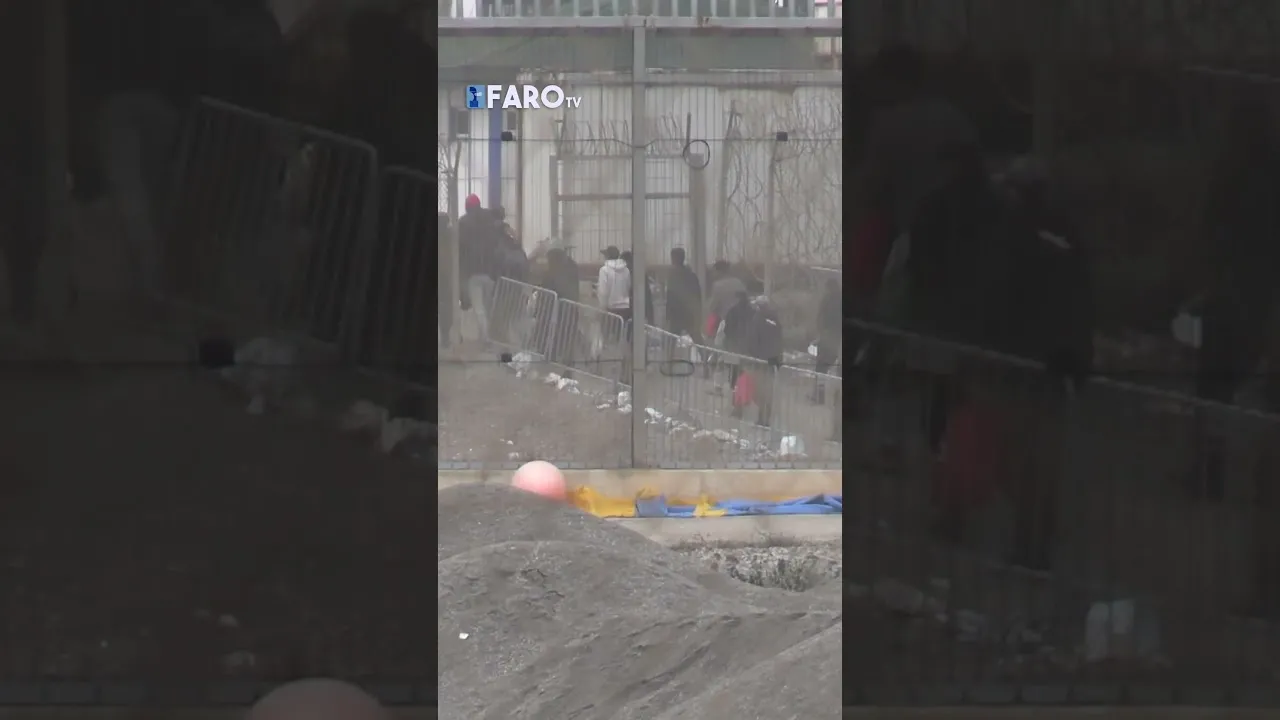
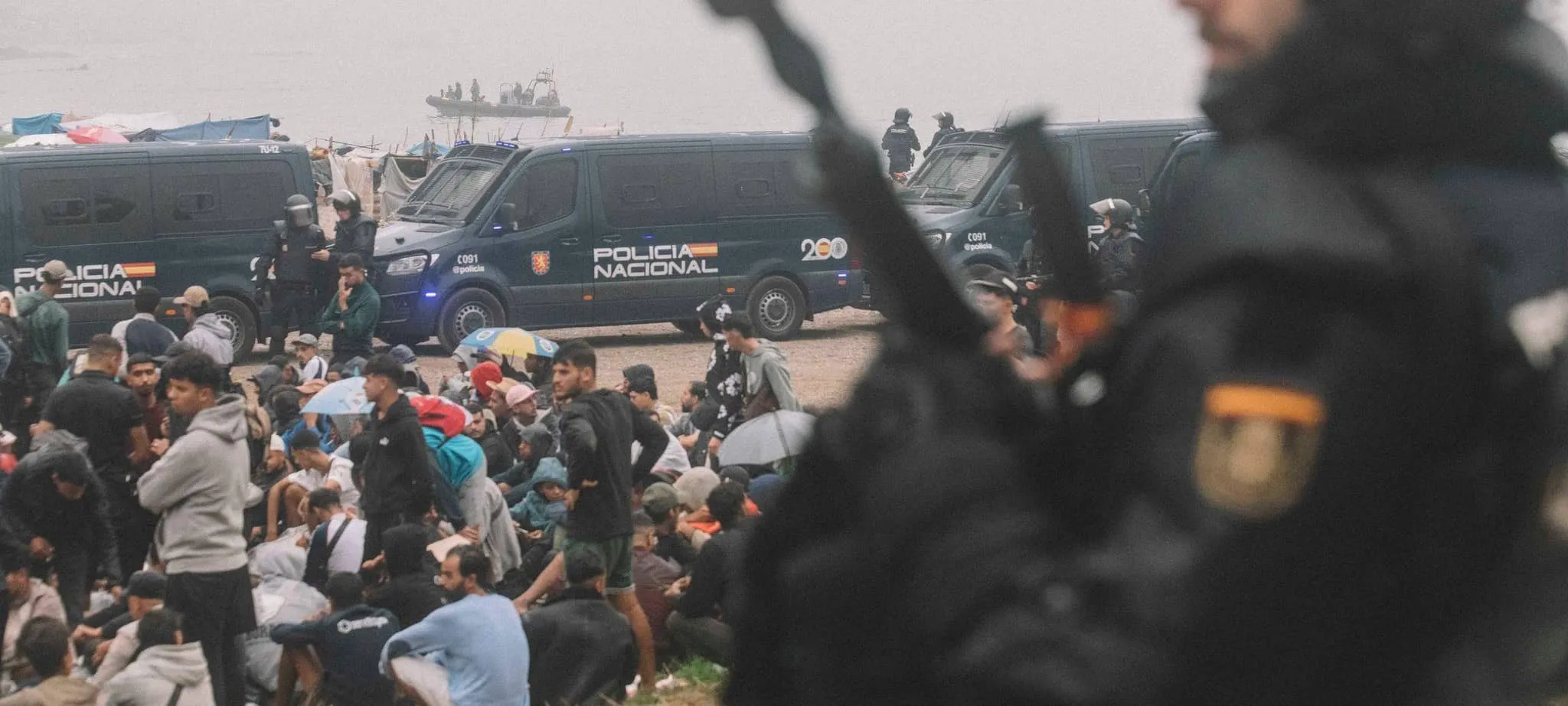
On October 5, 2026, the Spanish authorities, with the assistance of military forces, have successfully completed the evacuation of a migrant camp located in Ceuta, the Spanish enclave in North Africa. This operation comes just over a week before the anticipated visit of the Spanish royal couple to the region. Approximately 3,000 migrants, who had been residing in makeshift shelters at the Trampolin beach since late July, have been removed from the area, according to the local newspaper, El Faro.
The situation escalated dramatically at the end of July when the Spanish government estimated that up to 80,000 migrants had crossed from Morocco into Ceuta. While most of these individuals returned to Morocco shortly after, thousands remain in the enclave, seeking refuge.
The evacuated migrants were transported by bus to the Tarajal border crossing, where they faced a critical decision: to voluntarily return to Morocco immediately or to register for accommodation in a tent camp. Many migrants are hesitant about the registration process and the prospect of tent camps due to fears of being easily deported back to Morocco, which is recognized as a safe country of origin. Additionally, concerns have been raised that registering their biometric data could lead to identification and potential deportation back to their initial registration country or home country if they manage to reach mainland Spain or other EU states.
During the first day of the evacuation operation, reports indicated that around 600 Moroccan migrants opted to leave Ceuta voluntarily. However, on the second day, a significant number of the remaining migrants, who had been living in plastic-sheet huts along the beach for months, fled into the surrounding forests to avoid being processed.
The actions of the Spanish authorities have drawn sharp criticism from the German humanitarian organization, Mission Lifeline. Nolte Bauer, the director of the NGO based in Dresden, expressed concerns to the German Press Agency, stating that the process cannot be considered voluntary given the pressure exerted and the presence of heavily armed police. Bauer called for an immediate halt to what he termed "deportations" and emphasized the need for individual assessments for each person affected.
As reported by radiokoeln.de.