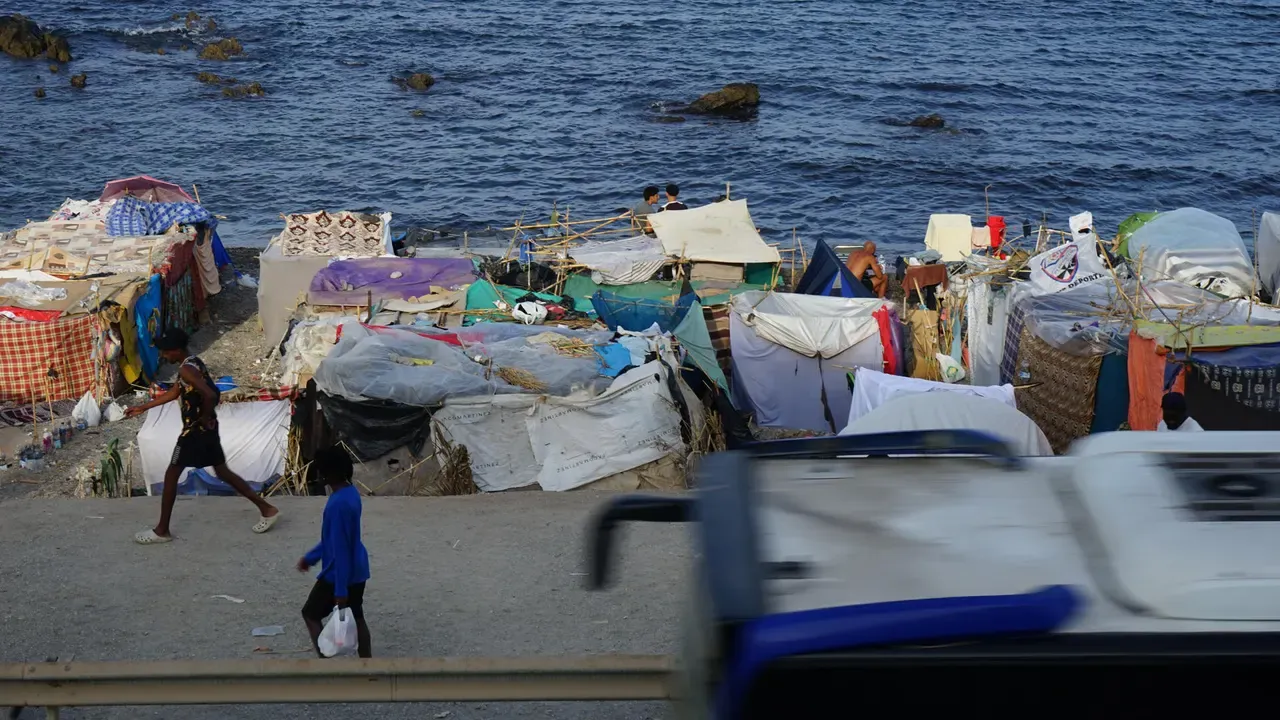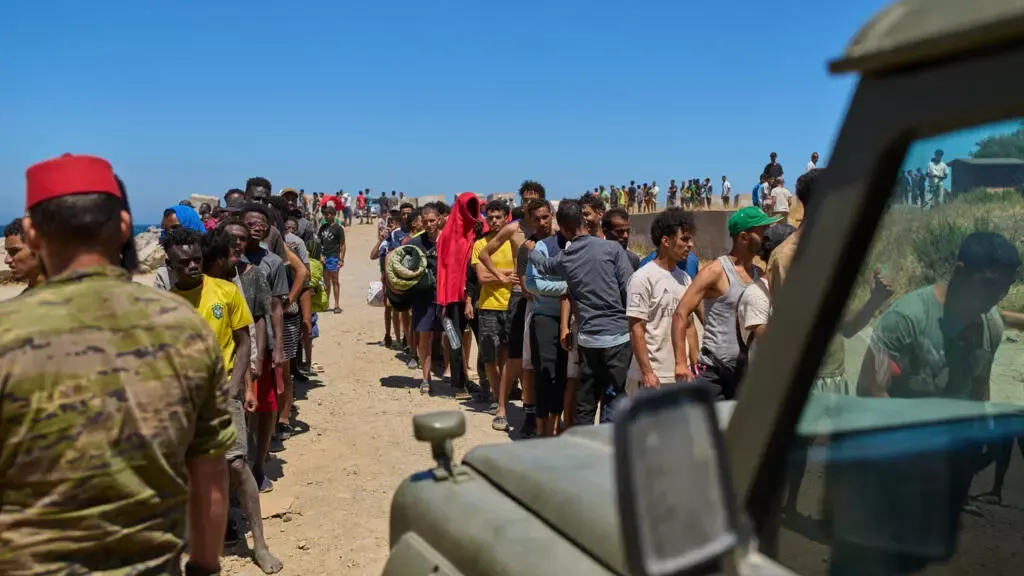

In response to escalating concerns regarding a potential influx of migrants over the weekend, Spanish authorities have deployed additional police forces to Ceuta, the Spanish enclave situated in Morocco. At the end of July, between 70,000 and 80,000 individuals crossed the border into Ceuta, with most returning to their countries. However, approximately 7,000 migrants are reportedly still present in the enclave, as stated by Maria Jimenez, a spokesperson for the Elin association, which operates on the ground and highlights the dire living conditions faced by these individuals.
According to conflicting reports from Spanish authorities, the number of migrants remaining in Ceuta varies significantly. While the Interior Minister estimates around 5,000, the Ceuta leader claims there are at least 8,000. Jimenez points out the challenges in obtaining accurate figures, as the authorities do not actively track the number of people in Ceuta, making it difficult for NGOs like hers to provide reliable estimates. Through their efforts on the ground, they have recorded about 4,000 unaccompanied minors, primarily concentrated around areas like El Principe and Los Rosales. Local residents have stepped up to assist these children, even converting a football field into a shelter to prevent women and young girls from sleeping on the streets, as the local government has failed to provide any support or basic necessities for over two weeks since the crisis began.
The adult migrant population primarily consists of asylum seekers from countries such as Sudan, Yemen, Chad, Mali, and Egypt. Jimenez estimates that about 3,500 of these migrants are seeking asylum, a figure corroborated by the Spanish Red Cross, which distributes daily meals at the beach. Overall, the group of migrants in Ceuta is estimated to be around 7,000, excluding those who may be hiding in nearby forests or other locations.
Jimenez emphasizes the importance of recognizing that a significant portion of these individuals are genuine asylum seekers. Many have expressed their desperation, stating, "I prefer to die here than return to Morocco. My life is in danger if I go back to Morocco." Some have fled war-torn nations like Sudan and Palestine, enduring harrowing journeys that have taken months or even years to reach Ceuta. It is crucial to differentiate between those who crossed from Morocco, who may have the option to return, and those who have faced years of hardship to arrive at the enclave. Protecting these lives must involve adhering to legal processes and addressing each case individually.
When asked about the lack of action from authorities, Jimenez offers her perspective, suggesting that the inaction serves as a deterrent to potential migrants by implying that there are no benefits to remaining in Ceuta. However, the current situation cannot be maintained indefinitely, as it leads to inadequate shelter, food scarcity, lack of medical assistance, and uncertainty regarding the futures of these individuals. The government must take urgent action, particularly given that it has been over two weeks since the crisis began, and tensions are beginning to rise. While the Interior Ministry may wish to bolster police presence, it is equally important to address the root causes of the crisis. The government must facilitate legal processes, including police registration, mechanisms for unaccompanied minors, and systems for asylum applications, while also ensuring that essential support services, including translators, are available. In the meantime, basic living conditions must be provided for the migrants.
Initially, the local residents of Ceuta reacted with fear. With a population of around 8,000 and an influx of 70,000 individuals in a short period, it is understandable that panic ensued. Many felt abandoned by the authorities. However, as time went on, some residents—especially those in the outskirts of Ceuta—demonstrated remarkable solidarity. Although instances of violence did occur, they were not prevalent. The struggle for basic necessities like food and hygiene can understandably lead to conflict. Such violence often arises from the unbearable living conditions faced by the migrants.
As reported by rfi.fr.