
Criticism of the Spanish Government's Foreign Policy
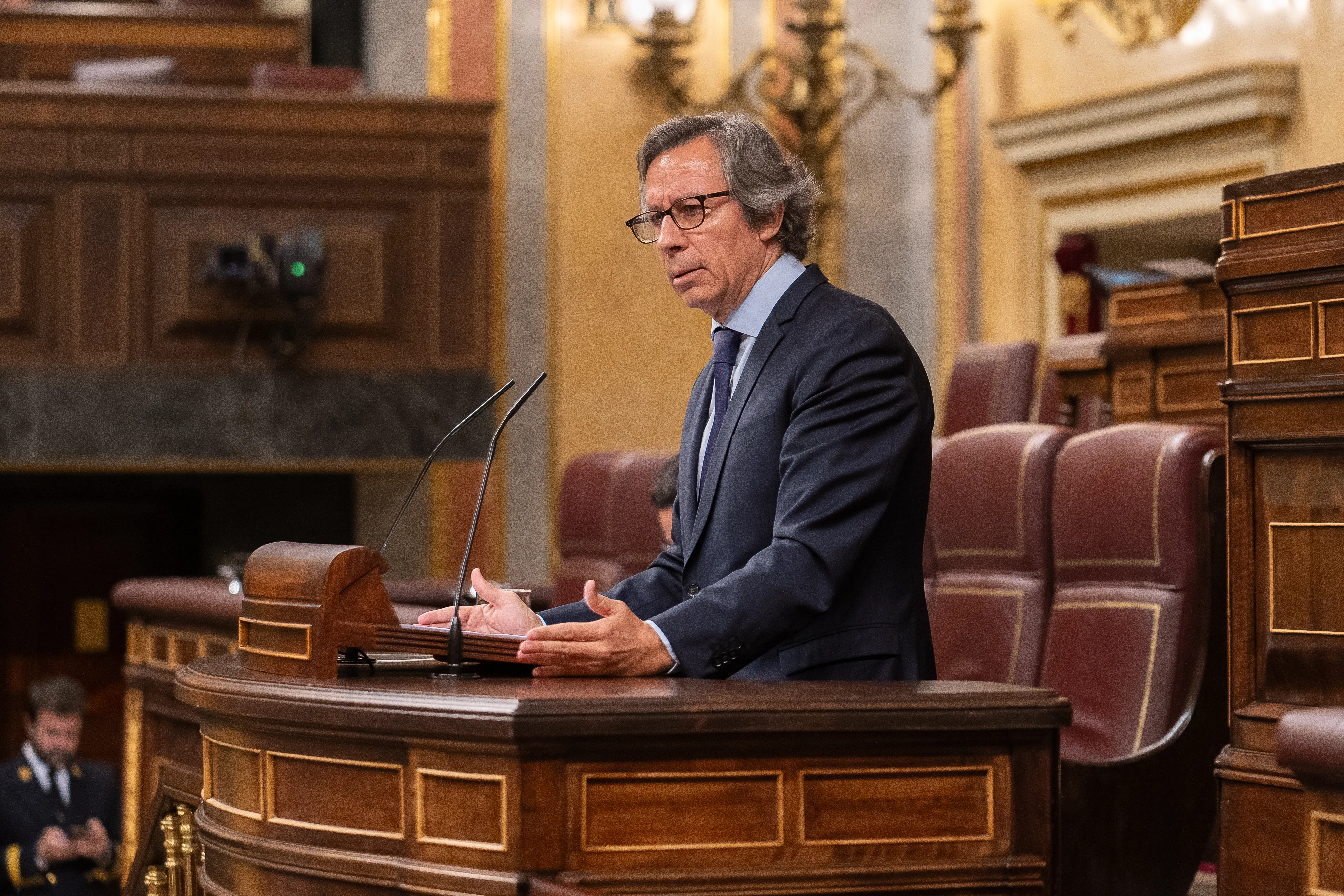
In a recent session of the Foreign Affairs Committee, Carlos Floriano, the spokesperson for the Popular Party (GPP) in Congress, raised significant concerns regarding the Spanish government's relationship with Morocco, characterizing it as one built on concessions in exchange for stability. He argued that following the crisis in Ceuta, the government has 'confused cooperation with dependency,' effectively compromising the security of Spain's borders by allowing decisions made in Morocco to dictate Spanish sovereignty. Floriano emphasized that cooperation should be negotiated and friendship nurtured, but sovereignty is non-negotiable, stating unequivocally that Ceuta should never be subject to Morocco's will. He urged the government to implement a foreign policy that ensures the protection of this Spanish city under all circumstances.
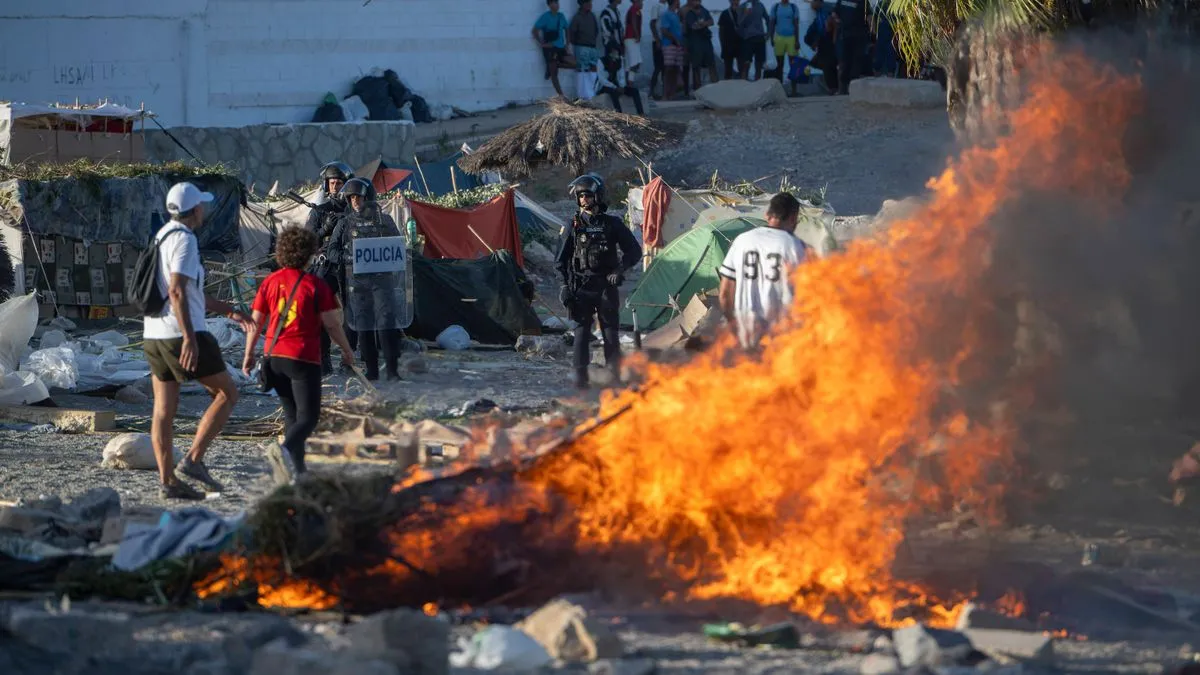
Floriano insisted that the events that unfolded in Ceuta on July 30 were not merely a migration crisis, but rather a 'national security crisis' and a 'sovereignty crisis' that highlighted the government's lack of strategy and political will to safeguard the border. He criticized the notion that foreign policy could be evaluated through meetings, photographs, or public declarations about the excellent relationship with Morocco. Instead, he argued that the true measure of success lies in tangible results, pointing out that the crisis in Ceuta has exposed the failures of the government's approach.
Calls for a Comprehensive Security Strategy
He further cautioned that a Spanish border should not be dependent on the whims of the neighboring country, asserting that Spain must be capable of protecting its borders 'even when it chooses not to cooperate.' He reiterated that 'Spain protects its borders,' and decisions regarding Spanish territory must be made by Spain alone. Floriano reproached the government for being aware of the potential for a renewed crisis in Ceuta and for failing to finalize a Comprehensive Security Plan for Ceuta and Melilla, despite its inclusion in the 2021 National Security Strategy. He pointed out that five years have passed without the plan's completion, calling into question the government's claims that the situation was unforeseen.
The gravity of the situation was compounded by the Defense Minister's acknowledgment that the National Intelligence Center (CNI) had relayed critical information prior to July 30. Floriano demanded clarity on who received and assessed this information and who decided against implementing extraordinary measures. He recalled that the government altered Spain's long-standing position on Western Sahara in March 2022 to align more closely with Morocco's stance, questioning what Spain gained in return, especially since it failed to prevent further migratory pressures or Morocco's claims over Ceuta and Melilla.
Floriano called for a strategic framework to ensure that Ceuta and Melilla are not used as leverage against Spain in the future. He advocated for strengthening the southern border with both Spanish and European resources, increasing Frontex's involvement, and linking the EU's privileged relationship with Morocco to the latter's adherence to its border obligations. He urged the government to clarify who is responsible for border protection when Morocco opts not to fulfill its role, the status of the Comprehensive Security Plan for Ceuta and Melilla, and what Spain secured in exchange for its shift in position regarding Western Sahara, to prevent any foreign government from using a Spanish city as a tool of pressure against Spain.
As reported by pp.es.