
Morocco's Central Role in a Major Drug Trafficking Operation
A recent judicial investigation in Spain has revealed that Morocco is at the heart of the logistical framework of an organized drug trafficking network that channels large quantities of hashish into Europe. This operation is reportedly led by a Moroccan figure and utilizes a secret tunnel to connect Morocco to Ceuta, facilitating the flow of substantial amounts of narcotics into Spanish territory and subsequently to the rest of Europe.
According to the Spanish newspaper "The Objective," Judge Antonio Peña from the Spanish National Court described the criminal organization as being "fully hierarchical," consisting of operational levels and interconnected cells that extend their activities across various Spanish regions, with "logistical links" to Morocco. The primary focus of the network lies in the possession, storage, transportation, and distribution of vast amounts of hashish, in addition to cocaine.
Key Figures and Operations Within the Network
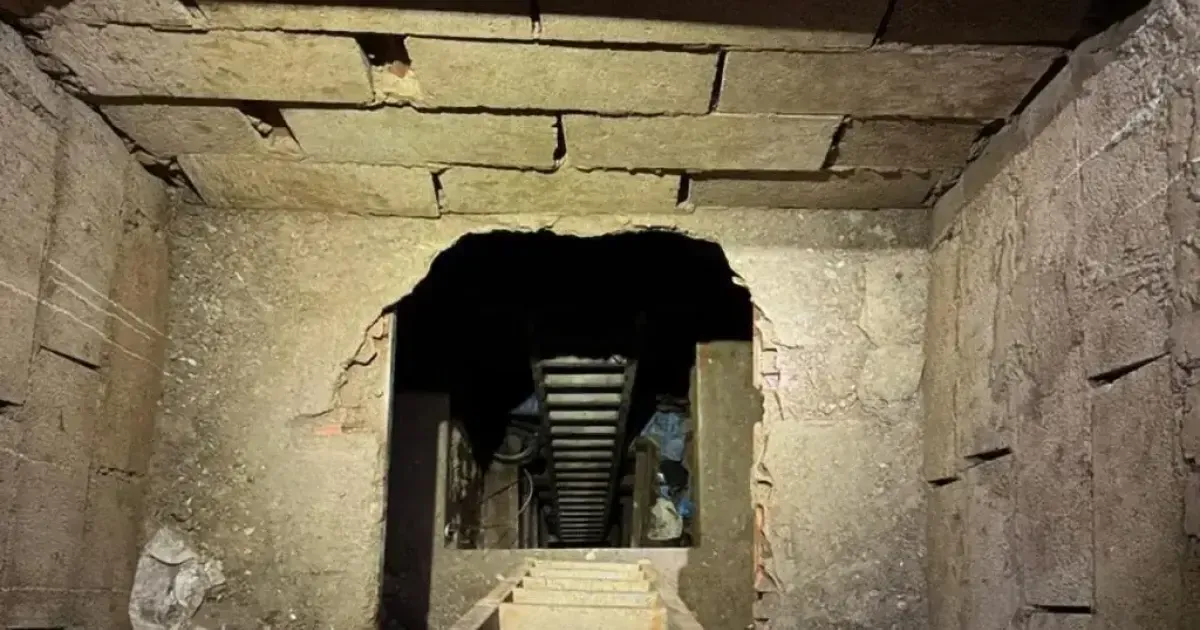
At the forefront of this network is Mustafa Chahiri Bouzi, a Moroccan businessman identified by Spanish investigations as the leader of the criminal organization. He is reportedly responsible for the two tunnels used in drug trafficking. The investigation has unveiled the crucial role of these tunnels, which stretch underground between Morocco and the Spanish enclave of Ceuta, providing the network with a regular outlet for transporting large quantities of hashish.
The judge characterized the tunnel's infrastructure as "highly professional," reflecting the level of organization that underpins the smuggling operations. The details of the investigation indicate that the network's activities are not limited to hashish but also encompass cocaine, relying on vehicles and speedboats for the transportation and distribution of narcotics within Spain and beyond to other parts of Europe. This operational nature enhances the Moroccan influence within the network.
The trafficking route begins with drugs originating from Morocco, traversing logistical links associated with it, before passing through the tunnel to Ceuta. Once there, the network takes charge of transporting and distributing the shipments both within Spain and internationally. Furthermore, the case has uncovered connections within the Spanish security environment, following the arrest of a former civil guard officer, Ángel Albarathin, suspected of being the right-hand man to the organization’s leader.
Albarathin was reportedly known to the Central Operational Unit for his knowledge of the drug scene in Ceuta and his proficiency in Arabic. According to the investigation, recordings have indicated his involvement in meetings and activities related to hashish trafficking. This case illustrates that Morocco is not merely a source of hashish destined for Europe but serves as a primary base for a cross-border smuggling system that feeds organized crime networks, with its extensions reaching deep into the continent.
As reported by entv.dz.