
Government Accountability Amid Migrant Surge
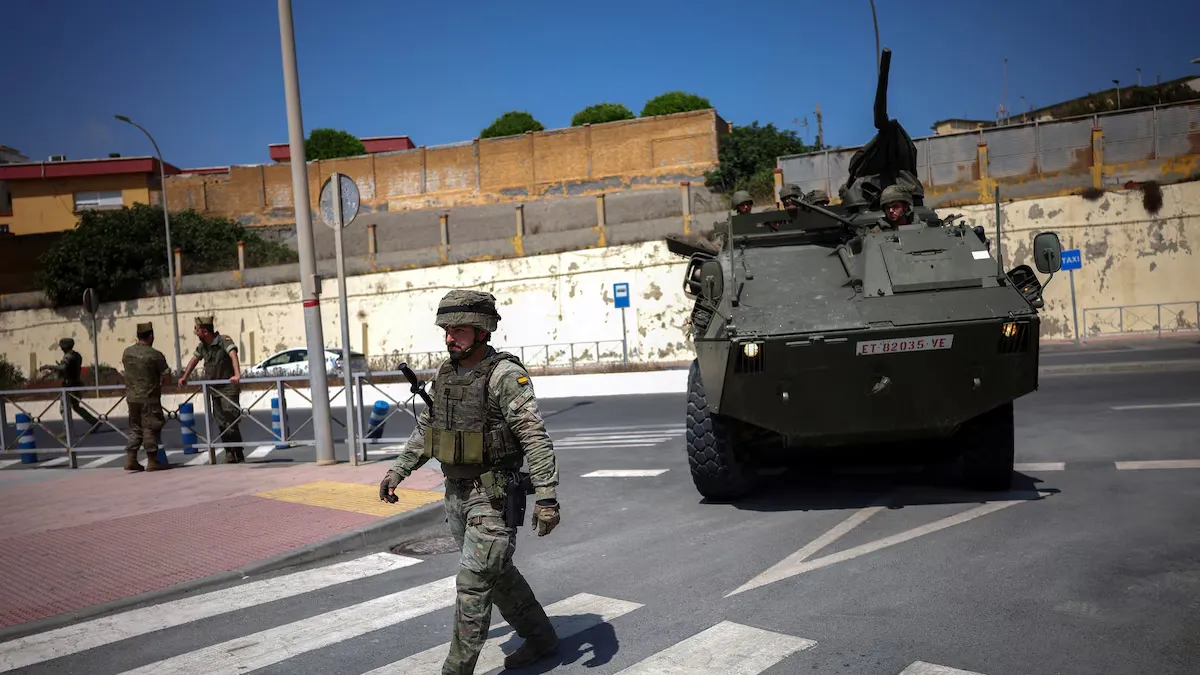
The Spanish government is bracing for an intense week of questioning in the Congress of Deputies regarding its actions before, during, and after the recent migrant crisis that overwhelmed Ceuta. A total of seven ministers have voluntarily agreed to appear before the legislative body, following calls for accountability by the opposition, particularly the Popular Party, which commands a majority in the Senate. The crisis has seen around 70,000 migrants cross into the autonomous city, raising significant concerns about the government's preparedness and response to the situation.
In the aftermath of this mass influx, the government has attributed the events to organized crime networks and a widespread call disseminated via social media platforms. However, many residents of Ceuta are left questioning whether Morocco, the neighboring country, turned a blind eye during the crisis, and why the Spanish government lacked sufficient intelligence to prevent such a large-scale entry. As local authorities aim to restore normalcy, Ceuta's President, Juan Jesús Vivas, issued a 30-day ultimatum to the government led by Pedro Sánchez, urging them to return the autonomous city to its standard operations. Yet, the government has yet to specify a timeline for these changes.
Ministers Under Fire for Handling of the Crisis
Among the ministers, Defense Minister Margarita Robles will be the first to face scrutiny. Originally scheduled to appear in the Senate, she declined the invitation, citing the need for more time. During her visit to Ceuta on August 12, she faced protests from residents who accused her of abandoning the city during its time of need. At that press conference, Robles asserted the sovereignty of Ceuta and Melilla, reinforcing the government's commitment to these territories. Her stance, however, has been met with criticism from opposition parties.
Additionally, Health Minister Mónica García will appear on August 27 amid accusations that her department has been slow to respond to the health crisis, exacerbated by the surge of migrants. She faces claims from the Popular Party regarding the lack of sufficient medical personnel, as local hospitals struggle to cope with the influx. The issue of migrant minors is also pressing, with the Interior Ministry indicating that approximately 1,500 unaccompanied minors remain in Ceuta, a figure disputed by local authorities.
The political fallout from this crisis is set to unfold in Congress, where ministers will be expected to answer difficult questions about their preparedness and the actions taken in relation to Morocco. These discussions are crucial not only for the immediate resolution of the situation in Ceuta but also for establishing a framework for handling potential future crises. The relationship between Spain and Morocco will undoubtedly come under the microscope, with calls for a more robust stance against Moroccan claims over Ceuta and Melilla. As this situation develops, the Spanish government’s strategies and responses will be pivotal in shaping the future of its border management and diplomatic relations.
As reported by infobae.com.