
Controversial Claims Ignite Political Tensions in Spain
In a recent development, a prominent Spanish regional leader has demanded “evident consequences” should a newly surfaced police report, which purportedly links Moroccan security forces to a significant influx of migrants into Ceuta, be substantiated. This statement comes on the heels of Spanish Prime Minister Pedro Sánchez categorically denying any Moroccan involvement in the ongoing migration crisis. Emiliano García-Page, the president of the Castilla-La Mancha region, expressed his concerns over the implications of this police assessment, which pertains to the events that transpired on July 30 and 31. He raised critical questions regarding the prior lack of inquiries from Spanish authorities into such a pivotal issue, emphasizing the need for accountability and transparency.
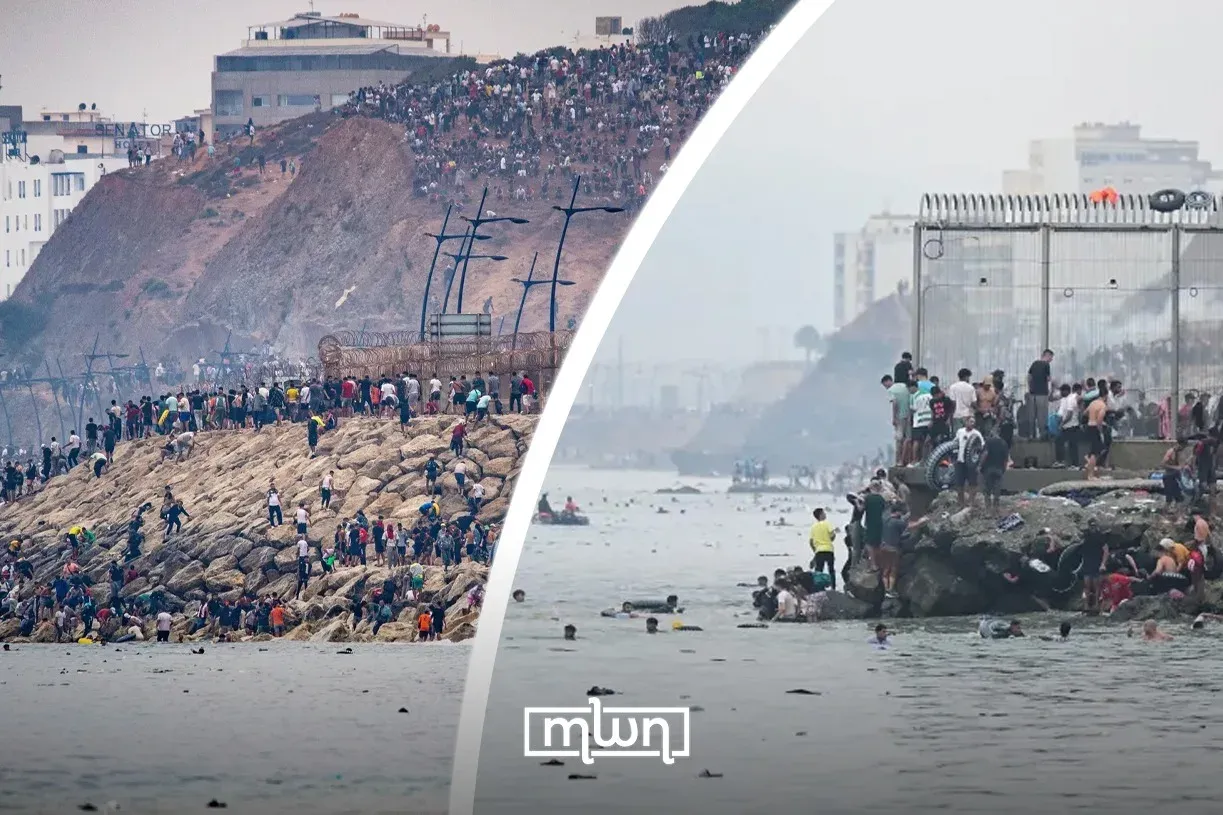
García-Page articulated his thoughts in a video statement, which has garnered considerable attention from various Spanish media outlets. His remarks were prompted by a report from the Spanish newspaper El Español, which cited a National Police intelligence document submitted to Judge María Tardón of the National Court concerning the mass arrivals in Ceuta. This document allegedly claims that the National Center for Immigration and Borders (CNIF), a division within the National Police, attributes the orchestration of the mass entry of approximately 70,000 migrants to Moroccan security forces. The report suggests that Moroccan gendarmes facilitated the movement of groups towards designated access points into Ceuta, while individuals in plainclothes observed the operation and guided uniformed officers.
Political Ramifications and Ongoing Controversy
This assertion portrays the migration surge as possibly serving as a smokescreen for a larger operation aimed at overwhelming Spain's border-control mechanisms, thereby hampering its ability to respond effectively. García-Page’s inquiry into why a judicial figure had to seek this vital information, rather than Spanish security or intelligence entities proactively pursuing it, underscores a significant concern regarding the efficacy of Spain's national security measures. He questioned the apparent lack of initiative from the National Police and intelligence services to investigate the events surrounding the crisis.
While he acknowledged the relevance of the information disclosed thus far, García-Page insisted that a comprehensive understanding of the events is essential before arriving at any definitive conclusions. This perspective starkly contrasts with Prime Minister Sánchez’s assertions made earlier this week, where he firmly dismissed the unsubstantiated allegations implicating Morocco in the crisis. He insisted that there is no intelligence from Spain’s security agencies, including the National Intelligence Centre (CNI), suggesting any Moroccan involvement in the mass migration to Ceuta. Sánchez highlighted the positive nature of Spain's migration cooperation with Morocco, noting the swift response of Moroccan authorities who bolstered their police presence in the region following the onset of the crisis.
The media landscape in Spain has reignited discussions regarding Morocco's alleged role in the crisis, contributing to a broader narrative that often positions Morocco as the scapegoat in political debates. This ongoing focus not only reflects the complexities of international migration and bilateral relations but also reveals how political agendas can shape public perception and discourse surrounding such critical issues.
As reported by moroccoworldnews.com.