
Shifting Accusations: The People's Party Takes Aim at Morocco
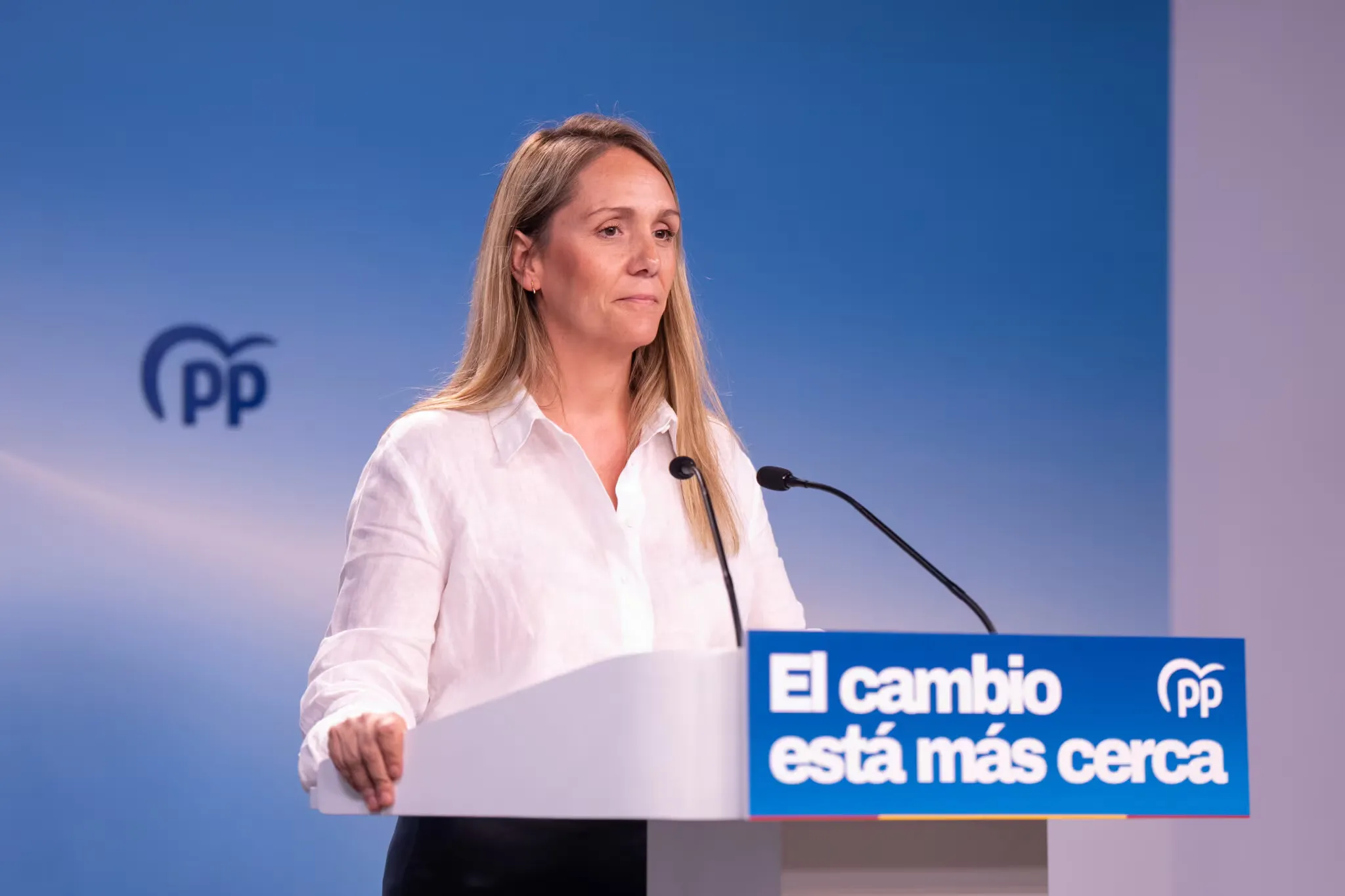
The People's Party (PP) in Spain has adopted a more aggressive stance towards Morocco, following a period of focusing its criticisms on the government of Pedro Sánchez. The leading opposition party has now directly accused Rabat of being "responsible" for the events that occurred in Ceuta on July 30 and for the ongoing situation in the occupied city. This accusation was articulated by Alma Ezcurra, a prominent member of the PP's national leadership, during a visit to Ceuta. As the party's Sectoral Coordination head, she claimed that Morocco played a role, "through action or omission," in the massive and irregular influx of migrants. Ezcurra asserted, "Morocco is responsible for what has happened and what continues to happen in Ceuta," emphasizing that this view is now shared by "Spaniards, Europeans, and the whole world." To support her claims, she used a striking metaphor that suggests a coordinated effort orchestrated from Morocco. She remarked, "When 70,000 people cross a border illegally and violently at the sound of a whistle, and the next day, 60,000 return by the same method, it is clear that someone is giving the signal." This metaphor implies a deliberate operation, although no evidence was provided to substantiate such coordination. Furthermore, it positions the return of tens of thousands as an indictment against Morocco, despite the possibility that this number could also indicate Moroccan authorities' efforts to contain the situation and facilitate returns.
A Shift in Strategy Amid Political Tensions
This shift in rhetoric marks a significant change from the PP's earlier position at the start of the crisis. Just a week prior, PP Secretary General Miguel Tellado had blamed Pedro Sánchez as the "main responsible" party for the massive arrivals in Ceuta, without directly implicating Morocco. Similarly, Alberto Núñez Feijóo had previously called for greater "reciprocity, transparency, and good faith" in the relations between Madrid and Rabat, a cautious approach that aligned with his intention to make Morocco his first international destination should he ascend to power. However, Ezcurra has now abandoned this cautious approach, allowing the PP to launch a direct attack against the PSOE, accusing it of fostering an opaque and imbalanced relationship with Morocco. This new stance also positions the conservatives in a competition with Vox to see who can adopt the most hostile rhetoric towards Morocco. Ezcurra went as far as to declare that "Spain cannot hand over the key to its border to Rabat," promising that a government led by her party would put an end to such a situation. While her declaration is firm, it overlooks a crucial reality: cooperation with Morocco is not a favor granted to Pedro Sánchez but a structural necessity for any Spanish government, including one led by Feijóo.
The PP's accusations could provide immediate political gains by allowing the party to challenge Sánchez and contest the PSOE's foreign policy while preventing Vox from monopolizing the most aggressive discourse against Morocco. However, in the medium term, the implications of this strategy could prove less beneficial for the conservatives. Feijóo has expressed a desire to rebuild a relationship based on trust, seriousness, and mutual respect with Morocco, a relationship that will be difficult to establish on the back of unsubstantiated accusations and threats of diplomatic rupture. The reality remains that Morocco has been playing a significant role in managing border security and absorbing much of the pressure on the ground. The Moroccan authorities have intervened to prevent further departures and maintain substantial human and material resources in response to social media calls for mass crossings.
Ultimately, the PP is within its rights to hold Sánchez accountable for his handling of the crisis and to demand explanations. However, using Morocco as a political weapon in the Spanish political arena will not resolve the situation in Ceuta nor enhance bilateral cooperation. Furthermore, this approach will not equip Feijóo with the stable and peaceful relationship he would need if he were to govern Spain in the future. As reported by fr.le360.ma.