
The recent migrant crisis has reignited tensions within the European Union regarding immigration policies and has posed a significant challenge to one of its cornerstone achievements, the Schengen free-travel zone. On Monday, Spanish Prime Minister Pedro Sánchez categorically dismissed any responsibility on Morocco's part for the surge of migrants that occurred last month, which saw an unprecedented influx of over 70,000 individuals into the small Spanish enclave of Ceuta. This massive migration event, occurring between July 30 and 31, resulted in tragic losses, with numerous individuals reported dead while attempting to swim or cross the border from Morocco.
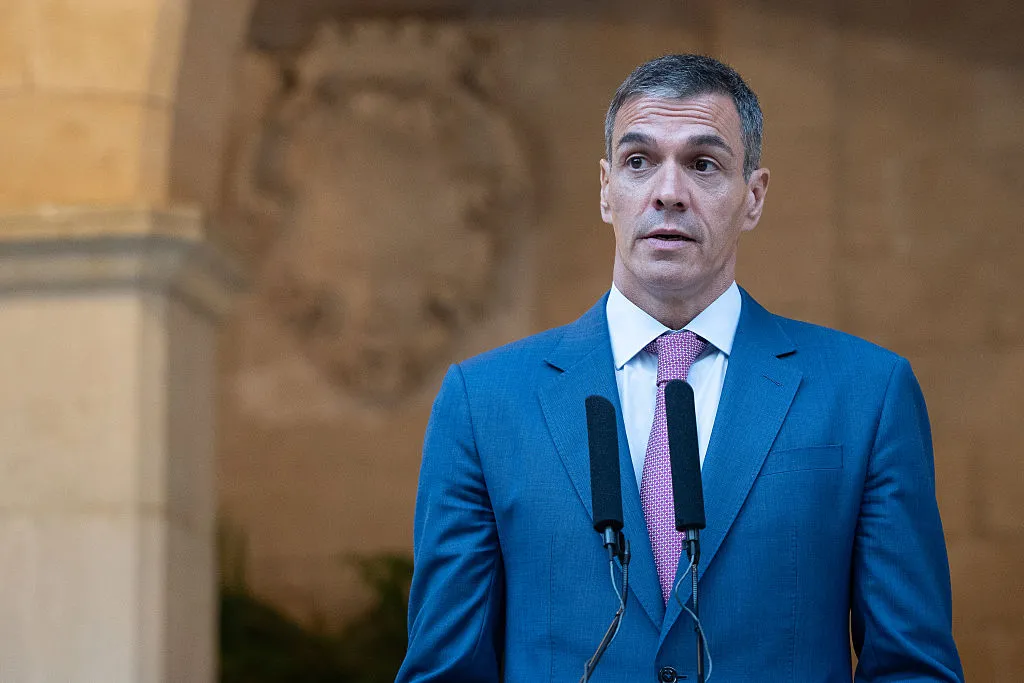
Sánchez pointed fingers at external influences, specifically accusing Israel, Russia, and the far-right political factions of disseminating misleading information regarding the crisis. Analysts speculate that the crisis may have been a strategic message from Morocco to Spain, possibly linked to ongoing disputes over Western Sahara. This region, once a Spanish colony, is largely under Moroccan control but also claimed by the Algeria-backed Polisario Front, which seeks independence for the territory. In response to these tensions, Sánchez emphasized during an interview with Cadena SER radio that no credible intelligence suggested Moroccan authorities were involved in the crisis. He stated, "We must be aware that this crisis can only be resolved through cooperation and not through distrust toward Morocco." The Prime Minister noted that while the Spanish government received situation reports from the National Intelligence Center and police, there was little information available to accurately assess the potential scale and severity of the impending crisis.
Furthermore, Sánchez highlighted the role of social media in amplifying rumors and disinformation following the mass entry of migrants, attributing this to influences from Russia and Israel, as well as international far-right groups that exploit migration to create division within Europe. Sánchez’s political stance has been vocal against Israel’s military actions in Gaza and supportive of Ukraine amidst Russia's aggression. In a sharp rebuttal, Israeli Foreign Minister Gideon Saar responded on social media, accusing Sánchez of lying and attempting to deflect from his government's failure to manage the crisis effectively.
The migrant surge has not only sparked debates in Spain but has also escalated tensions within the EU, leading Italy’s right-wing government to impose temporary border checks on travelers from Spain. In retaliation, Spain instituted reciprocal controls shortly thereafter, with both nations extending these measures for an additional 15 days. Despite most migrants being returned to Morocco within hours, thousands remain in Ceuta, a territory that spans only 18 square kilometers and houses approximately 84,000 residents. The influx has become a contentious political issue, with calls from conservative and far-right opposition groups demanding the return of all those who entered, including minors. Local residents in Ceuta have been vocal about their concerns, organizing protests around security and sanitation issues stemming from the migrant crisis.
In response to the ongoing situation, Sánchez announced plans to provide 6,000 spaces in reception centers for migrants, asserting that their status must be verified by Spanish authorities prior to any potential returns to Morocco. Additionally, he pledged 168 million euros (approximately $195 million) in aid to Ceuta to help address the pressing needs arising from this humanitarian crisis. The situation remains fluid, and the Spanish government continues to seek resolutions while navigating the complex political landscape surrounding immigration in Europe.
As reported by courthousenews.com.