
Spanish Police Reports Reveal Involvement of Moroccan Agents in Ceuta Migrant Crisis
The Spanish police have issued a report contradicting Prime Minister Pedro Sánchez's earlier statements regarding the massive influx of Moroccan migrants into Ceuta in late July. While Sánchez assured Congress that there was no evidence of Moroccan involvement in orchestrating the migrant crisis, the police report suggests otherwise, indicating that Moroccan agents may have actively facilitated this movement of people.
According to the findings, Moroccan police allegedly guided migrants to the border under the orders of plainclothes agents. This revelation has led to accusations from the opposition, claiming that Sánchez has concealed critical information and demanding accountability from Morocco. During a recent session in Congress, Sánchez reiterated that no concrete evidence has been presented by any international body linking Morocco to the planning or execution of the migrant surge that saw around 70,000 individuals cross into Ceuta within a mere 48 hours, resulting in over 80 fatalities.
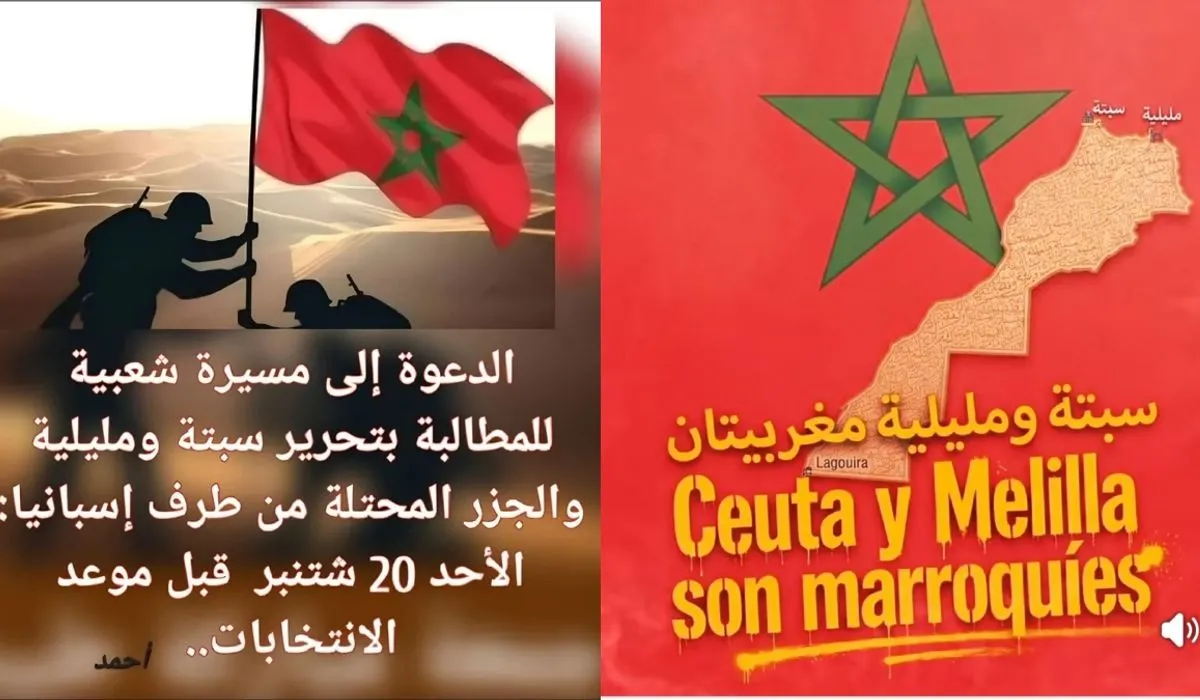
The question of Morocco's potential role in this crisis remains a hot topic of debate in Spain. The police report, which has been circulated in the media, highlights a perceived leniency from Moroccan authorities in managing this massive movement of individuals. Despite his stance on Morocco's direct involvement, Sánchez did not shy away from criticizing two Moroccan ministers who made unacceptable claims regarding Ceuta and Melilla, Spanish territories in North Africa. He emphatically stated, "For centuries, these two cities have been Spanish, and I assure you that they will remain so forever," reinforcing Spain's commitment to these territories.
Additionally, Sánchez has called upon King Felipe VI to visit Ceuta and Melilla soon, as a demonstration of the government's unwavering resolve towards these enclaves. The last recorded visit by a Spanish monarch to these territories occurred in 2007, which subsequently led to a diplomatic crisis with Morocco, a country that has long claimed sovereignty over Ceuta and Melilla.
As reported by rtp.pt.