
Morocco's Alleged Role in the Ceuta Assault Uncovered by Police Report
A recent report from the Spanish National Police has revealed alarming findings regarding the assault on Ceuta that occurred on July 30th. Judge María Tardón is currently reviewing the intelligence report from the National Police’s Foreigners' Unit, which suggests a meticulously planned operation aimed at overwhelming the Spanish-Moroccan border. This report starkly contrasts with the Spanish government's narrative, which has worked to absolve Morocco of responsibility in the incident.
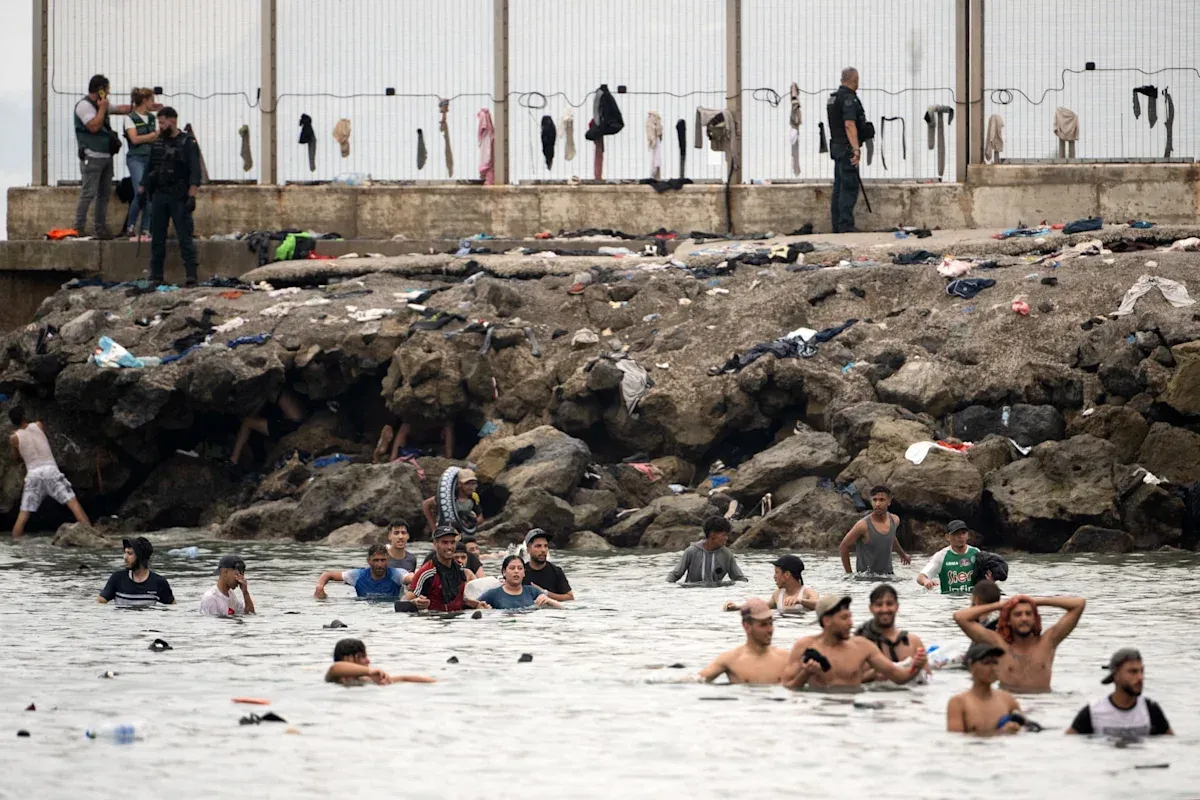
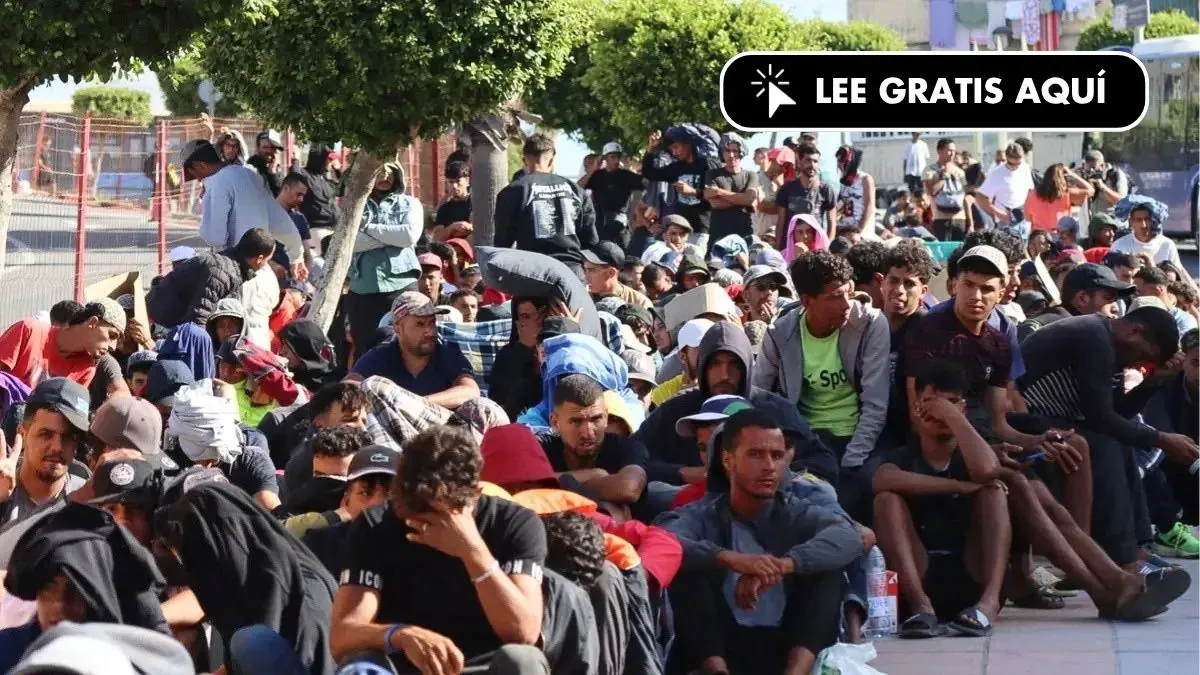
According to the intelligence document accessed by Código 10 de Cuatro, the assault was orchestrated by individuals in civilian clothing who directed Moroccan gendarmes during the chaos. The operation unfolded in stages, commencing with the arrival of young males aged 15 to 25, predominantly Moroccan nationals, equipped with wetsuits, fins, and flotation devices. This initial group was soon followed by a broader demographic, including sub-Saharan individuals and vulnerable populations such as women and children.
The report outlines that the overarching goal of this operation was to create a scenario where the collapse of the border would allow a significant influx of individuals who would later find it challenging to return to their home countries. This strategy was designed to leave Spain without an adequate mechanism to respond effectively, thereby establishing a long-term problem for Spanish authorities. The influx of vulnerable individuals, combined with the voluntary return of many young men equipped for the crossing, compounded the crisis, resulting in continued strain on the autonomous city of Ceuta.
In essence, the National Police, through its Foreigners' Intelligence Unit, has informed Judge Tardón that this incident was part of a Moroccan counterintelligence operation that allegedly involved Moroccan gendarmes and supported by civilian agents who guided the assailants to the border with Ceuta.
Government Officials React to the Revelations
The implications of this report have incited significant anger from Spain's Minister of the Interior, Fernando Grande-Marlaska. As reported, he has sent a letter to the National Police director expressing his displeasure over not being informed of the report's existence. In this correspondence, he emphasizes the critical nature of the information contained within the report, stating, "I need to know how long the National Police had access to this absolutely essential information," which is pivotal for him to fulfill his responsibilities as Minister of the Interior. Marlaska has stressed that this information must be made available to the members of the National Security Council without delay.
In his letter, the Minister has urged the National Police director to provide swift clarification regarding the authenticity of the report's claims and to share any pertinent information that could illuminate the ongoing migration crisis at Ceuta. This incident raises serious questions about the preparedness and response of Spanish authorities in the face of such challenges, as well as the broader implications for Spain's immigration policies and international relations.
As reported by theobjective.com.