
Algeria's Strategic Importance in Spanish-Moroccan Relations
In the midst of escalating tensions between Spain and the Moroccan regime, Spanish politicians are increasingly recognizing the crucial role that Algeria plays in this geopolitical landscape. The current crisis, which has seen a significant influx of Moroccan migrants into the Spanish enclave of Ceuta, has raised alarms within Spain, particularly regarding the implications of any diplomatic overtures toward Morocco. Some political leaders argue that engaging with Morocco could jeopardize Spain's relationship with Algeria, its primary gas supplier and a key regional ally. This perspective is vital, as Algeria's influence may compel Spain to reconsider its diplomatic strategies when navigating its relationship with Morocco.
Prominent voices, including Aitor Esteban, the leader of the Spanish party EBB, have voiced concerns over the potential for the Spanish government to appease the Moroccan regime. Esteban suggested that Moroccan authorities have been leveraging blackmail tactics against certain Spanish officials, a situation exacerbated by the infamous Pegasus espionage scandal, which compromised the privacy of various government members. In a recent interview with El Correo, Esteban highlighted the political ramifications of this incident, noting a noticeable shift in Spain's stance on the contentious Western Sahara issue shortly after the espionage events unfolded. He described this development as a political earthquake that lacked adequate explanation, underscoring the intricate and challenging political environment that the current Spanish government must navigate.
Negotiations Between Algeria and Spain: A Path Forward
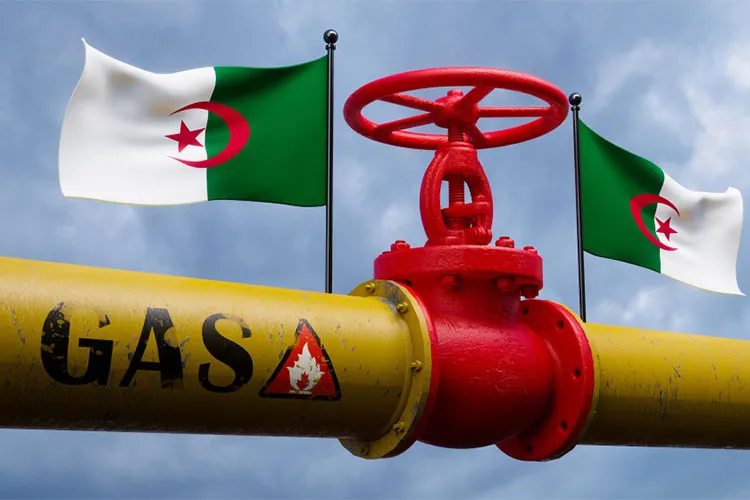
As the situation unfolds, Spain's diplomatic and economic interests in Algeria gain increasing significance, particularly with ongoing negotiations aimed at enhancing gas exports and establishing favorable pricing agreements. Esteban pointed out that Morocco's strengthened position, bolstered by its alliance with former U.S. President Trump and its investments in foreign policy and espionage, poses a threat to Spain's strategic interests in the region. This evolving dynamic has prompted Spain to reengage in gas negotiations with Algeria, highlighting the importance of maintaining a robust partnership with its southern neighbor. The mass migration incident that occurred shortly after Prime Minister Pedro Sánchez's visit to Algeria, which resulted in a commitment to increase gas exports via the Medgaz pipeline, serves as a clear indication of the delicate balance Spain must maintain in its regional relationships.
Looking ahead, the upcoming High-Level Joint Committee meeting between Algeria and Spain is poised to address the outcomes of Sánchez's recent visit to Algeria, particularly in the energy sector. The discussions are expected to solidify a political agreement on gas that aims to rebuild bilateral relations strained by the Western Sahara crisis. However, Esteban warns that ongoing pressure from Morocco could derail these efforts, potentially obstructing the restoration of the historic ties between Algeria and Spain. As negotiations progress, it remains paramount for Spain to navigate these complex geopolitical waters carefully, ensuring that its energy needs are met while sustaining vital diplomatic relationships.
As reported by echoroukonline.com.