

Moroccan Naval Incursions During Migration Crisis
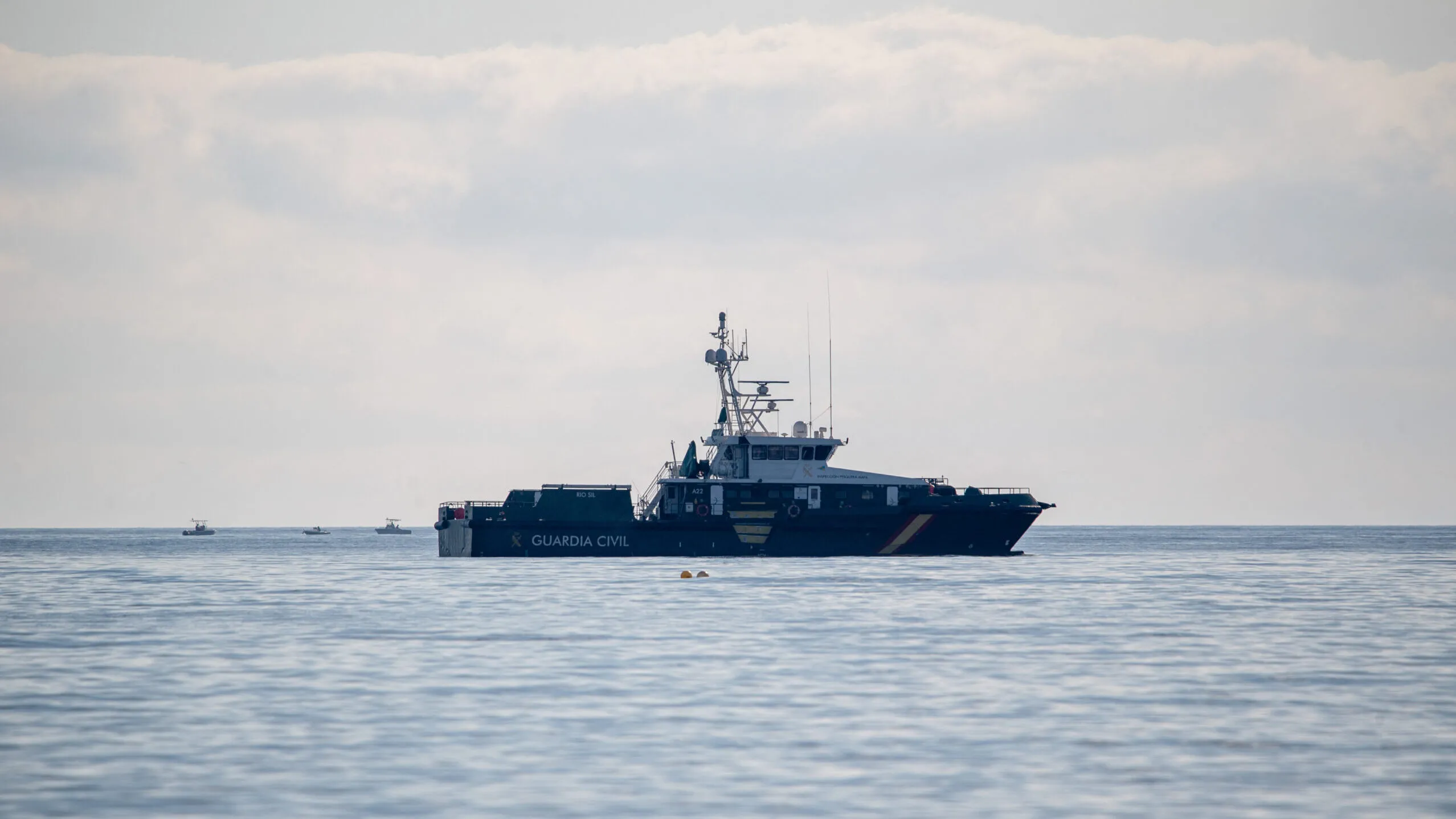
On October 12, Spanish Prime Minister Pedro Sánchez publicly acknowledged the unauthorized entry of Moroccan warships into Spanish territorial waters during the unprecedented surge of illegal migration to Ceuta in late July. This statement marked an end to over two months of government silence regarding a military confrontation that coincided with one of Europe’s most severe migration crises. Reports from _El País_ indicate that at least one Moroccan frigate and several patrol vessels breached Spanish waters on July 30 and 31, coinciding with the crossing of over 80,000 illegal migrants from Morocco into the Spanish enclave. The situation escalated into early August, with Spanish and Moroccan military vessels reportedly coming dangerously close to colliding before Madrid ultimately dispatched its own frigates to deter further incursions.
Despite the severity of the situation, Sánchez had kept the public in the dark for over two months. During Spain's National Day celebrations, he described the maritime incursions as isolated incidents between neighboring nations, opting to highlight cooperation with Rabat instead of addressing the violation of Spanish sovereignty. This revelation sheds light on the troubling manner in which the Sánchez administration managed the crisis, characterized by vague statements, a lack of transparency, and attempts to minimize the deteriorating security environment in Ceuta. Just two days after the crisis began, on August 1, Interior Minister Fernando Grande-Marlaska claimed that the situation had been resolved within 24 hours, asserting that almost all illegal migrants had returned and that the border was secure, even as thousands remained in Ceuta, overwhelming local resources.
Political Fallout and Opposing Views
As of Monday, the Associated Press estimated that approximately 15,000 migrants were still present in Ceuta, raising concerns about the government's narrative, which appeared dangerously out of touch with the realities on the ground. The local population of Ceuta, consisting of around 84,000 residents, is bearing the consequences of this mismanagement, as their quality of life continues to decline amidst the ongoing crisis. Not long ago, Sánchez suggested that residents would need to adapt to the new normal of mass migration and border pressure.
In the early stages of the crisis, Sánchez openly defended Morocco, even as intelligence reports hinted at Rabat's tacit complicity regarding the influx of migrants. On August 31, he asserted that there was no intelligence linking Moroccan authorities to the organization of these mass crossings, maintaining this position despite police intelligence suggesting otherwise. The recent acknowledgment of Moroccan warships operating within Spanish waters adds a military layer to what the European Parliament had already condemned as a form of hybrid warfare. Lawmakers had previously criticized the use of illegal migration as a weapon against an EU member state's territorial integrity, unaware that naval incursions were also occurring. These simultaneous maritime actions raise concerns about a possible coordinated strategy that combines mass migration with military pressure, revealing Sánchez's failure to inform both the public and Spain’s European partners of the gravity of the situation.
The political implications of this revelation are significant, particularly as snap elections approach on November 29. The center-right People's Party has seized on Sánchez's secrecy regarding these incursions, questioning how Moroccan authorities could remain oblivious to both the illegal migration and the naval activities. Santiago Abascal, leader of the right-wing Vox party, condemned the situation as a 'Moroccan-sponsored invasion' permitted by Sánchez’s government, calling for stronger border protections. With opinion polls suggesting a potential parliamentary majority for the PP and Vox, this latest disclosure could represent another severe blow to Sánchez’s already tenuous hold on power, potentially signaling the end of his nearly eight-year tenure.
As reported by hungarianconservative.com.
