
Spain's Stance on Migrant Influx from Morocco
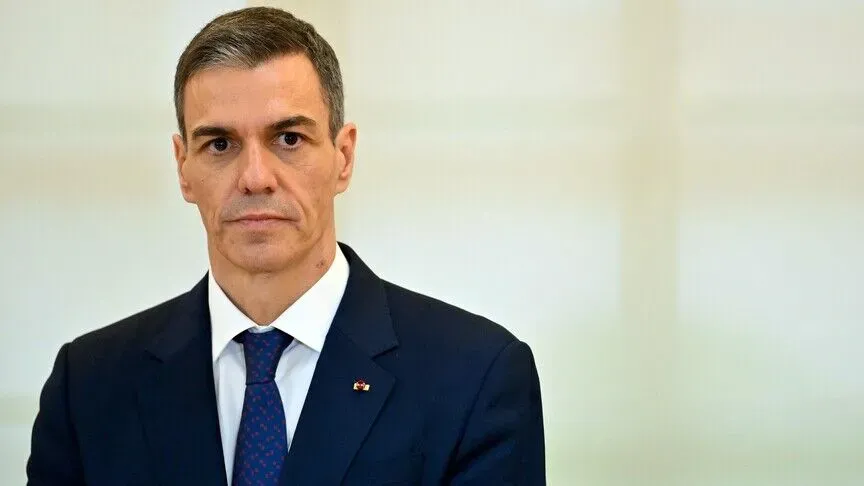
On September 3, 2026, Spanish Prime Minister Pedro Sanchez addressed the parliament, asserting that there is currently no solid evidence to support claims that Morocco orchestrated the recent mass arrival of migrants in Ceuta. His statements come amidst a growing wave of skepticism from various political factions regarding the government's narrative of the ongoing crisis. Sanchez emphasized that Spanish intelligence services have, for the time being, ruled out any involvement from Moroccan authorities in the significant crossings that occurred over the course of July 30-31, which saw an estimated 72,000 migrants arriving at Ceuta. He pledged that the government would take decisive action should new evidence surface that contradicts this conclusion.
These comments followed a report by Spanish media detailing a police intelligence document that alleged Moroccan security forces played a role in facilitating the massive influx of migrants, suggesting that the operation had motives extending beyond mere migration. Furthermore, Sanchez disclosed that Spain had summoned Moroccan Ambassador Karima Benyaich on August 21 in response to provocative statements made by Moroccan ministers regarding Ceuta and Melilla, which they characterized as a "historic and geographical right" of Morocco, demanding a "definitive solution" for their return.
Political Reactions and Allegations of Concealment
The government's handling of the situation has faced intense scrutiny, particularly following the news of the ambassador's summons, which sparked criticism from opposition leaders. Alberto Nunez Feijoo, the opposition leader, labeled Sanchez a "coward" for managing the diplomatic incident discreetly and accused the government of being aware of, yet concealing, Morocco's alleged involvement in the migration crisis. Feijoo went so far as to call for Sanchez's resignation, claiming that the Spanish government had both incompetently mishandled and potentially colluded with Morocco in this situation. He asserted, "The operation came from Morocco, was consented to by Morocco and there are indications that Morocco coordinated it."
Additionally, left-wing allies of the government joined the chorus of criticism. Enrique Santiago from the Sumar party accused Morocco of orchestrating the influx of migrants, while another lawmaker, Aina Vidal, expressed that the government's policy of appeasement towards Morocco has proven ineffective. Gabriel Rufian, the parliamentary spokesman for the Catalan separatist ERC party, escalated the accusations by claiming that Morocco intentionally directed tens of thousands of migrants to the border with the aim of destabilizing the Spanish government, allegedly in collaboration with external entities such as Washington and Tel Aviv, alongside elements within Spain's political right. He questioned the government's integrity in dealing with Rabat, suggesting that Sanchez might be withholding crucial information to prevent a confrontation that Spain would be ill-equipped to win.
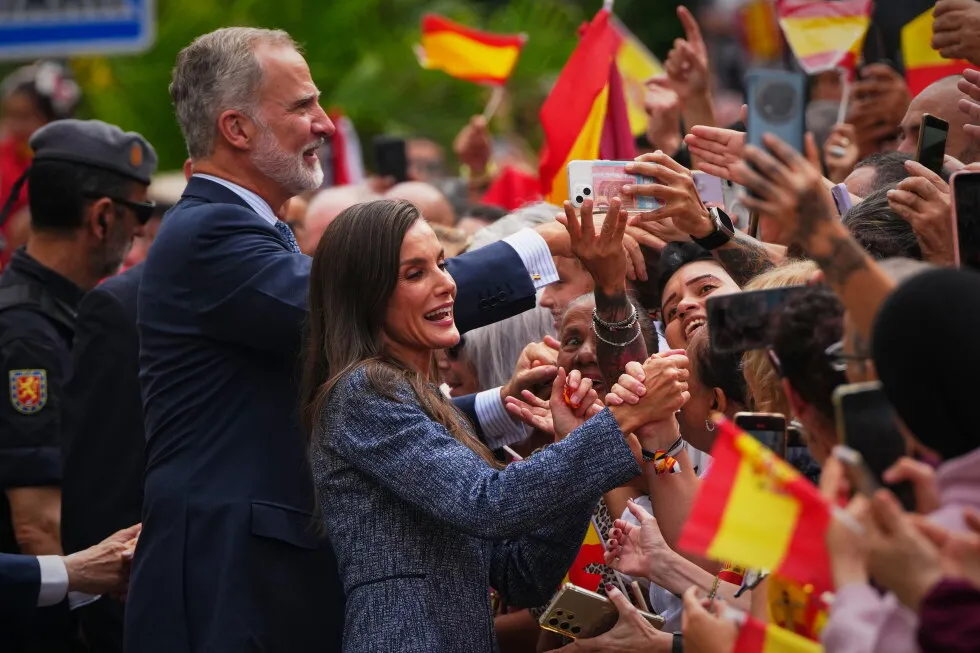
Despite the criticism, Sanchez acknowledged that the government had faced challenges in its response to the crisis, stating, "We have had our successes, also our mistakes, like everyone." He announced plans to establish a long-term presence of the EU border agency Frontex in Ceuta and indicated that King Felipe VI should make a visit to Ceuta and Melilla in the near future. Government estimates suggest that approximately 5,000 migrants from the recent crossings are still in Ceuta, a small Spanish enclave with a population of around 80,000.
As reported by aa.com.tr.