
Pedro Sanchez Refutes Blackmail Claims
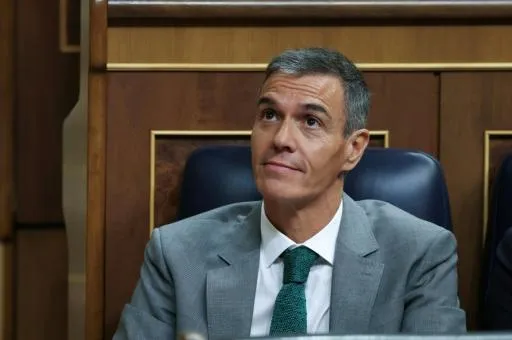
In a recent press conference, Spanish Prime Minister Pedro Sanchez vehemently denied allegations suggesting that he was being blackmailed by Morocco in relation to the migration crisis affecting Spain's North African enclave of Ceuta. These accusations gained traction after over 70,000 migrants entered Ceuta from Morocco at the end of July, prompting political unrest and concern over the government's handling of the situation. Sanchez labeled the claims as sensationalist, stating they would be more fitting for a fictional Netflix series rather than serious political discourse.
Sanchez emphasized that he has no concrete evidence linking Morocco to the surge of migrants, despite mounting pressure from opposition parties, particularly the right-wing Popular Party led by Alberto Nuñez Feijoo. The Prime Minister insisted that international relations, especially with neighboring countries, should be grounded in respect and evidence rather than conjecture and unfounded allegations. He further clarified that while he has never ruled out a firm response to Morocco if it is proven to be involved in orchestrating the migrant influx, he currently lacks any definitive information to substantiate such claims.
Migrant Situation in Ceuta and Government Response
The recent influx of migrants has created a complex humanitarian situation in Ceuta, with thousands returning to Morocco shortly after arrival, while several hundred remain in the enclave, causing tensions and protests among local residents. The Spanish government is now tasked with processing the status of these remaining migrants, especially unaccompanied minors, as they cannot be deported without due diligence. Sanchez's administration faces the dual challenge of addressing the humanitarian needs of these individuals while managing the political fallout from the crisis.
As reported by afp.com.