
Historical Context of Diplomatic Relations
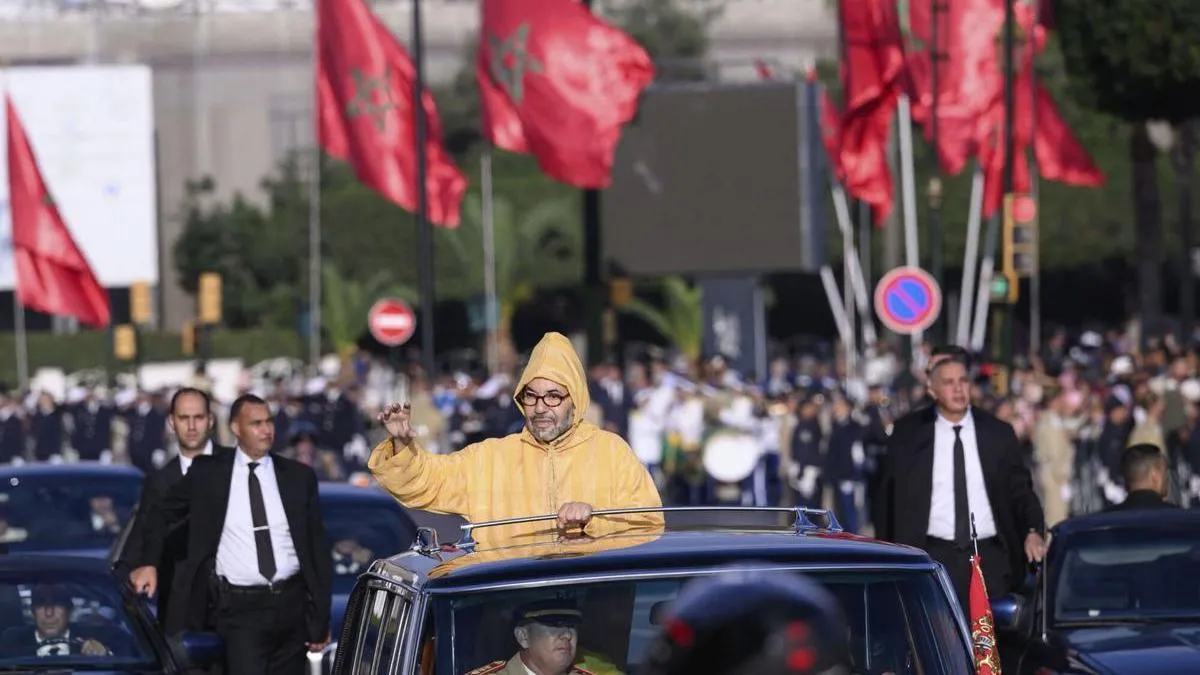
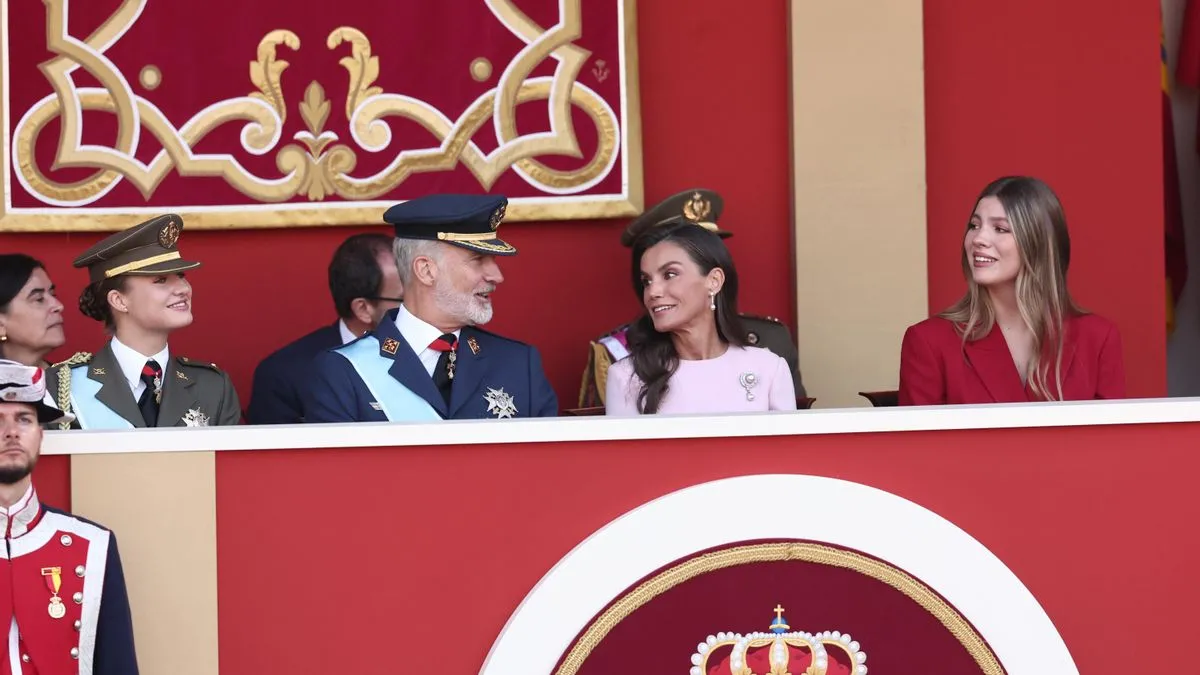
In a significant development, the Spanish royal couple, Felipe VI and Letizia, are set to visit the cities of Ceuta and Melilla, which are located on the northern coast of Africa and are considered part of Spanish territory. This visit marks the first for Felipe VI since his ascension to the throne in 2014 and comes at a time when tensions between Spain and Morocco are palpable, particularly following a major migration crisis. The last time Spanish royals visited these cities was in November 2007, when King Juan Carlos I and Queen Sofia's trip resulted in a substantial diplomatic fallout with Morocco, including the temporary withdrawal of the Moroccan ambassador from Madrid and widespread protests at the borders, underscoring the sensitive nature of these visits.
Current Situation and Implications
The backdrop of this visit is marked by a surge in migration, with over 80,000 individuals crossing the border from Morocco into Spain in late July, raising concerns about the management of migration flows and the complexities of territorial claims. Morocco has long asserted that Ceuta and Melilla are integral parts of its national territory, a claim that Spain vehemently disputes, maintaining that these cities are sovereign territories of Spain and also part of the European Union. The implications of this royal visit extend beyond mere ceremonial duties; they touch upon longstanding historical grievances and the delicate balance of diplomatic relations between the two nations. As such, the visit is not merely a routine engagement but a pivotal moment that could influence future interactions and negotiations between Spain and Morocco, particularly in light of the ongoing migration challenges and Morocco's renewed territorial claims.
As reported by eldiario.es.