
Royal Visit to Ceuta Amid Ongoing Migration Challenges
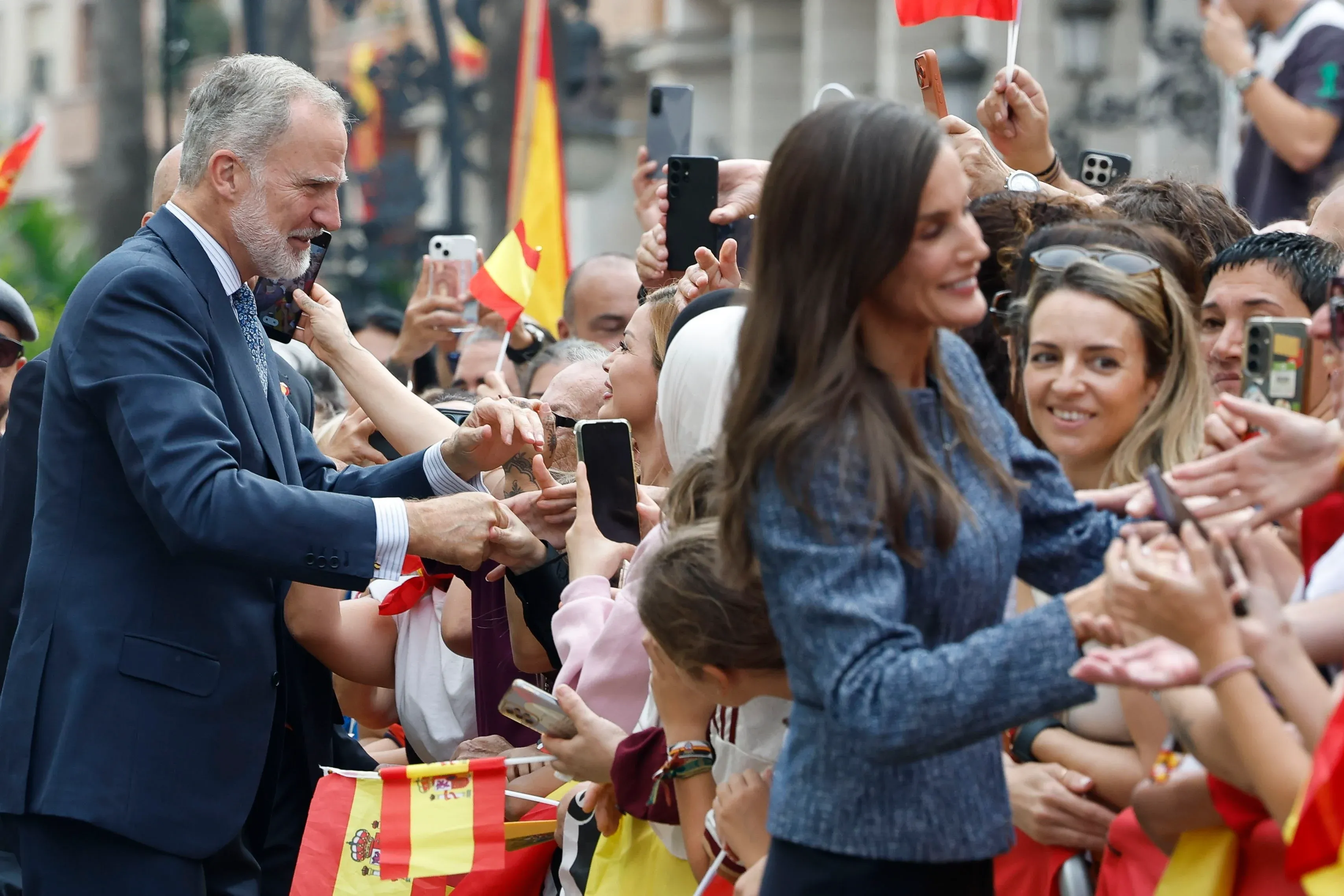
King Felipe VI and Queen Letizia commenced their inaugural visit to Ceuta on Tuesday, signaling a strong message of solidarity with the local population as they navigate a significant migration crisis that has tested the waters of diplomacy with Morocco. Following their stop in Ceuta, the royal couple is set to continue their journey to Melilla, Spain's other North African exclave, on Wednesday. This visit marks the first time a Spanish monarch has toured these territories since Felipe's father, Juan Carlos I, did so back in 2007.
This royal visit comes in the wake of a staggering influx of around 80,000 migrants crossing the border into Ceuta in July alone, leading to the tragic deaths of over 140 individuals. While many of those who crossed quickly returned to Morocco, a significant number remain in Ceuta, a city with a population of approximately 84,000. Current estimates by the mayor suggest that as many as 15,000 migrants may still be residing within the enclave, creating a palpable sense of social tension and political unease in the region.
Social Tensions and Political Implications
The presence of these migrants has not only stirred social unrest within Ceuta but has also emerged as a critical political issue throughout Spain, especially as impending elections draw near. Opposition parties are keen to leverage public concerns regarding migration in an effort to challenge the progressive government. Compounding the situation, some migrants have reported cases of abuse, prompting the Spanish government to initiate investigations following a troubling Amnesty International report that outlined allegations of mistreatment and torture by Spanish military personnel. One harrowing account detailed a migrant's experience of severe physical abuse, necessitating medical intervention for head injuries.
Residents of Ceuta have expressed feelings of abandonment by national authorities, as the ramifications of the crisis are starkly visible in their daily lives. The official agenda for the royal visit emphasizes the King and Queen's intention to demonstrate the Crown's support for the institutions and citizens of Ceuta. Enthusiastic crowds gathered to welcome the royals, chanting the familiar refrain, “I am Spanish, Spanish, Spanish,” as they expressed their national pride.
During their visit, the royal couple is scheduled to engage with local officials and tour a school that emphasizes a multicultural environment, respecting diverse religions. Historically, Ceuta has been a symbol of religious coexistence, but the ongoing border crisis has strained its delicate Christian-Muslim dynamics. Additionally, the royals plan to pay their respects at a cemetery where unidentified migrants who perished during attempted crossings on July 30 and 31 are buried.
The border fences that delineate Ceuta and Melilla are under ceaseless pressure from migrants hailing from Morocco and sub-Saharan nations, all of whom view these Spanish enclaves as vital gateways to their aspirations of reaching mainland Europe. Notably, Morocco does not acknowledge Spain's sovereignty over these territories, which have been under Spanish control for centuries. Observers of diplomatic relations in Spain will be closely monitoring Morocco's response to Felipe VI's visit, especially as Prime Minister Pedro Sanchez has publicly defended Morocco's involvement in addressing this crisis, while many in Spain are left questioning whether Rabat could have taken more decisive actions to prevent the mass crossings.
As reported by scmp.com.