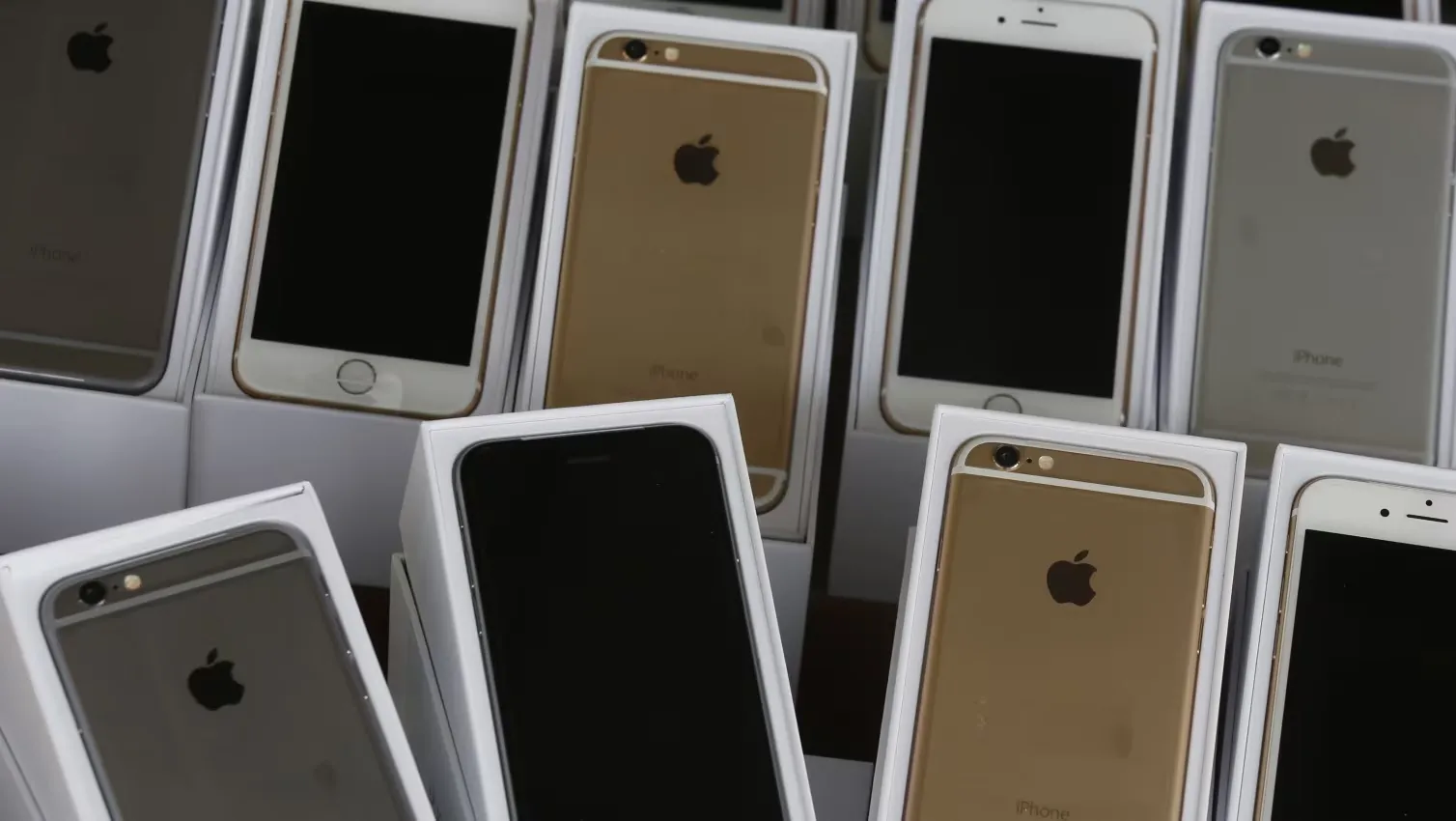

Spy Phones from Algeria Flooding Derb Ghallef: A Growing Concern
The bustling souks of Morocco, particularly in Derb Ghallef in Casablanca, are reportedly witnessing an alarming influx of smartphones that are anything but ordinary. Recent reports indicate that these devices, which are high-end yet surprisingly affordable, are embedded with modified software designed for espionage purposes. According to the Arabic daily, Assabah, these dubious gadgets are being sold at significantly reduced prices, raising eyebrows and concerns among consumers and authorities alike.
In recent days, smartphone resellers in Casablanca have fallen victim to a widespread scam orchestrated by foreign suppliers, who have provided these seemingly new devices. However, it has become evident that these phones have been pre-programmed with spyware. Even more troubling, many vendors have observed that user data, including personal information and downloaded applications, mysteriously vanish within a short span of time after purchase.
The situation has prompted a wave of warnings circulating across social media platforms, urging potential buyers to exercise caution when considering these smartphones, which are being offered at prices ranging between 2,000 and 3,000 Moroccan Dirhams. The growing number of complaints from consumers has eventually led to a realization among these resellers that the phones, originating from Algeria, have indeed been tampered with for espionage purposes. Reports from some official Algerian media outlets suggest that tens of thousands of these devices were intended for sale in various cities across Algeria.
According to Assabah, these phones are not merely defective; they are equipped with programs explicitly designed to steal personal data and are riddled with viruses. Numerous customers have reported losing vital information, including photos and sensitive banking credentials, due to the malicious software embedded in these devices. This scenario underscores a significant security threat not just for individual users but also for the broader implications on privacy and data security in the region.
As reported by fr.le360.ma.