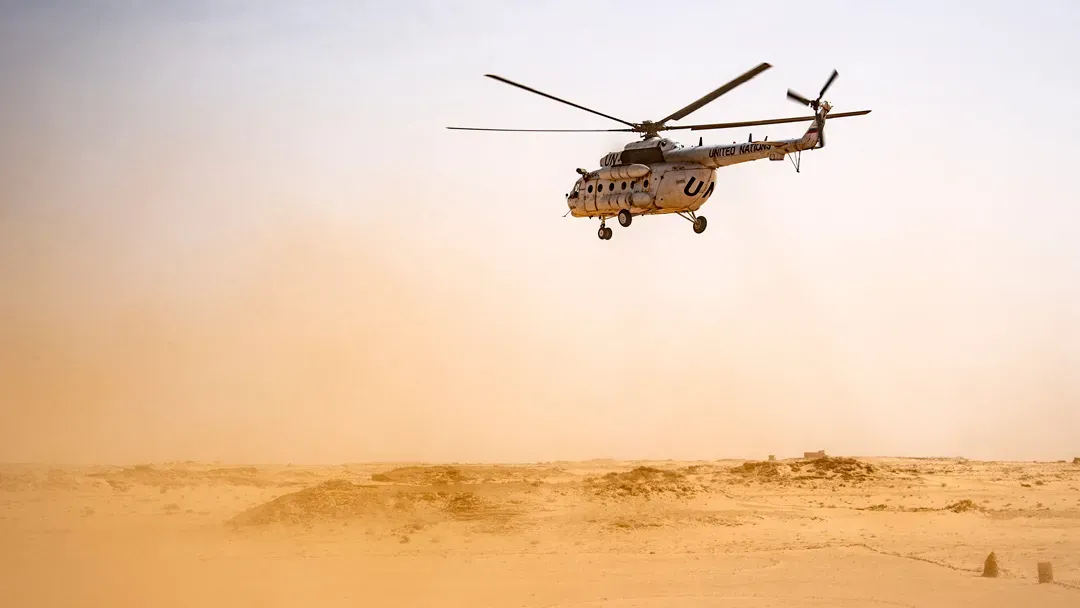

Negotiation Impasse in Western Sahara
Recent discussions between Morocco and the Polisario Front regarding the Western Sahara conflict have encountered significant challenges, primarily due to the U.S. and UN's insistence on emphasizing Morocco's autonomy proposal as the focal point of negotiations. This shift in approach has led to a scenario where mediators must exercise caution and patience if they wish to facilitate a viable compromise. The long-standing diplomatic stalemate seemed to show signs of resolution after October 2025, as the UN Security Council passed a resolution that bolstered international support for Morocco's autonomy plan while leaving room for alternative solutions. This development allowed for direct talks between Morocco and the Polisario for the first time since 2019, with Algeria and Mauritania also participating as neighboring stakeholders. The initial three rounds of dialogue in Washington and Madrid provided a platform for both parties to explore potential resolutions without obligating them to abandon their positions on sovereignty and self-determination.
Challenges in the Peace Process
However, the momentum gained from these discussions quickly dissipated. The U.S. and UN's rapid transition from exploratory talks to negotiations focused on Morocco's autonomy proposal was met with staunch resistance from the Polisario Front, which continues to demand a self-determination referendum. A series of diplomatic tensions and military incidents further strained the atmosphere, leading Washington to increase pressure on the Polisario while considering alternative Sahrawi representatives. The evolving U.S. stance on the future of the UN Mission for the Referendum in Western Sahara (MINURSO) added another layer of complexity to the situation. The diplomatic landscape is precarious, requiring the U.S. to balance assertiveness with a necessary degree of patience to encourage progress. Should the U.S. pursue a hasty resolution, there exists a genuine risk of amplifying the mistrust that has historically hindered negotiation efforts. Instead, a focus on rebuilding confidence, preserving an open platform for dialogue, and creating conducive political conditions for substantial compromises is essential.
The Western Sahara conflict, which dates back to Spain's withdrawal in 1975, has seen Morocco and Mauritania attempt to partition the territory, while the Polisario Front, supported by Algeria, fights for independence. Despite a UN-brokered ceasefire in 1991 that envisioned a self-determination referendum, disagreements over voting eligibility have stalled progress. Morocco's proposal suggests granting autonomy under its sovereignty, while the Polisario continues to advocate for independence. The situation deteriorated after the ceasefire collapsed in 2020, leading to a resurgence of hostilities. In October 2025, the UN Security Council renewed the mandate for MINURSO, endorsing Morocco's autonomy plan while allowing for discussions of other possibilities. Both the Polisario and Algeria expressed dissatisfaction with the resolution, yet it served as leverage for the U.S. to urge the parties back to negotiations.
Despite initial optimism, the talks have reached a deadlock, with the Polisario rejecting the autonomy proposal as the basis for negotiations. This resistance has left U.S. and UN diplomats perplexed, especially as Algeria has shown more willingness to engage than the Polisario. The diplomatic climate worsened after a series of military exchanges, including a rocket attack by the Polisario and the killing of a prominent figure associated with the movement, which heightened tensions and further complicated the prospects for negotiation.
As the deadline for MINURSO's mandate approaches, U.S. officials are contemplating alternative strategies, including the potential inclusion of more flexible Sahrawi representatives in the discussions. While some within the U.S. administration advocate for maintaining the current negotiation format, others are exploring options to adjust the negotiating framework to accommodate broader representation. The situation remains fluid, with both the U.S. and Algeria emphasizing the need for a collaborative approach to resolve the conflict sustainably. It is crucial that all parties involved recognize the importance of constructive dialogue and the necessity of patience in navigating this complex geopolitical landscape.
As reported by crisisgroup.org.