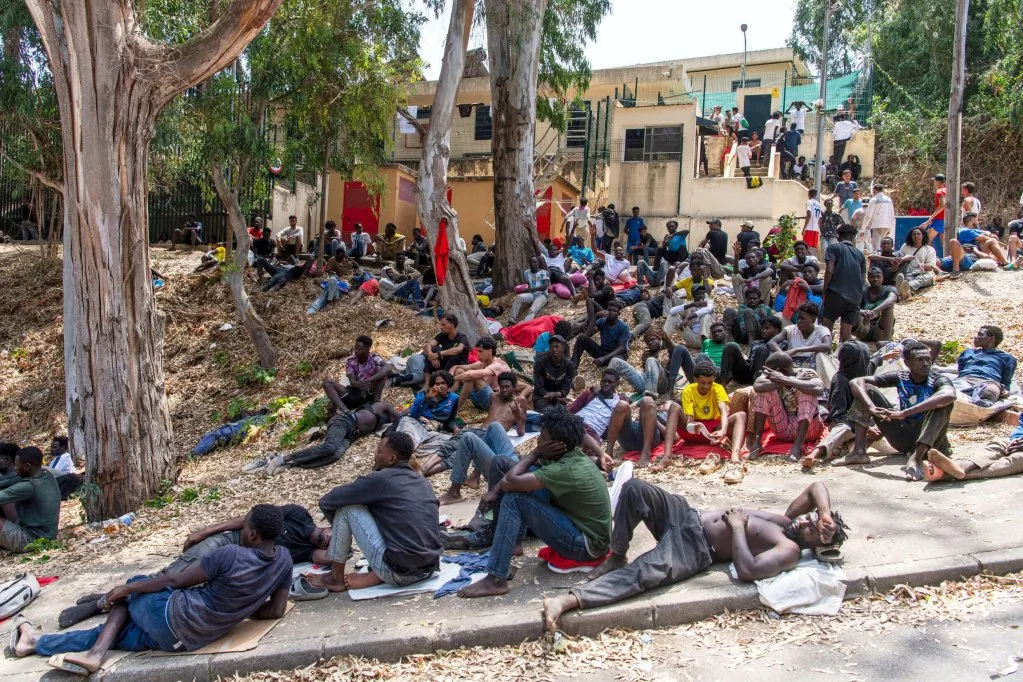

In the aftermath of a significant mass border crossing that brought an estimated 70,000 to 80,000 migrants into Ceuta, Spain's North African enclave, a considerable number of individuals remain in dire conditions nearly three weeks later. According to Maria Jimenez, a spokesperson for the NGO Elin, many of these migrants continue to face alarming shortages of basic necessities such as adequate shelter, food, and medical care. Although a portion of the migrants have left, thousands, including a substantial number of children, still reside within the enclave.
The migrants stranded in Ceuta primarily include asylum seekers from nations afflicted by conflict and instability, such as Sudan, Yemen, Chad, Mali, and Egypt. Reports from the ground indicate that some individuals have expressed a chilling sentiment, declaring that they would prefer to die rather than return to Morocco, their country of origin. In light of these circumstances, Spanish authorities have bolstered their police presence in Ceuta, anticipating the potential arrival of additional migrants. Recently, hundreds of migrants congregated on a local beach, voicing their demands for asylum and firmly opposing any attempts to return them to Morocco.
During an interview with RFI, Jimenez highlighted the challenges in obtaining accurate figures regarding the number of migrants still in Ceuta, as Spanish authorities have provided varying estimates. While the interior minister claims there are around 5,000 migrants, Ceuta's regional leader suggests there could be at least 8,000. Jimenez, however, emphasizes that different organizations working on the ground have a clearer understanding of the situation, estimating approximately 4,000 minors in the area, predominantly in neighborhoods like El Principe and Los Rosales. Local residents have stepped in to assist, providing food and even converting a football pitch into a makeshift shelter for women and children.
Furthermore, Jimenez pointed out that among the adult population remaining in Ceuta, approximately 3,500 are asylum seekers. This estimation is supported by the Spanish Red Cross, which distributes meals to those in need each evening. In total, they have identified around 7,000 migrants, excluding those who may be hiding in nearby forests or other locations. It's crucial to distinguish between those who crossed the border from Morocco, who may return, and those who have endured significant hardships to reach Ceuta. The latter group often faces life-threatening situations if returned to their home countries, underscoring the necessity for proper legal processes and protections for these vulnerable individuals.
Jimenez expressed concern regarding the lack of adequate governmental response to the crisis, suggesting that the current inaction may serve as a deterrent for future migrants. She warned that the situation is unsustainable, with growing tensions among the population due to the absence of essential services such as shelter and food. While the government has indicated plans to increase police presence, Jimenez insists that it must also address the pressing humanitarian needs of the migrants. This includes the establishment of legal procedures for registration, support for minors, and access to the asylum process, all while ensuring that individuals can live with dignity during this tumultuous period.
Local residents in Ceuta have exhibited mixed reactions to the influx of migrants. Initially, there was fear and anxiety as the community, which consists of around 80,000 people, suddenly found itself alongside tens of thousands of newcomers. However, as time has passed, many have demonstrated solidarity, offering support to those in distress. While there have been instances of conflict, largely stemming from the struggle for resources, the predominant narrative reflects the community's resilience and willingness to help others in crisis.
As reported by rfi.fr.