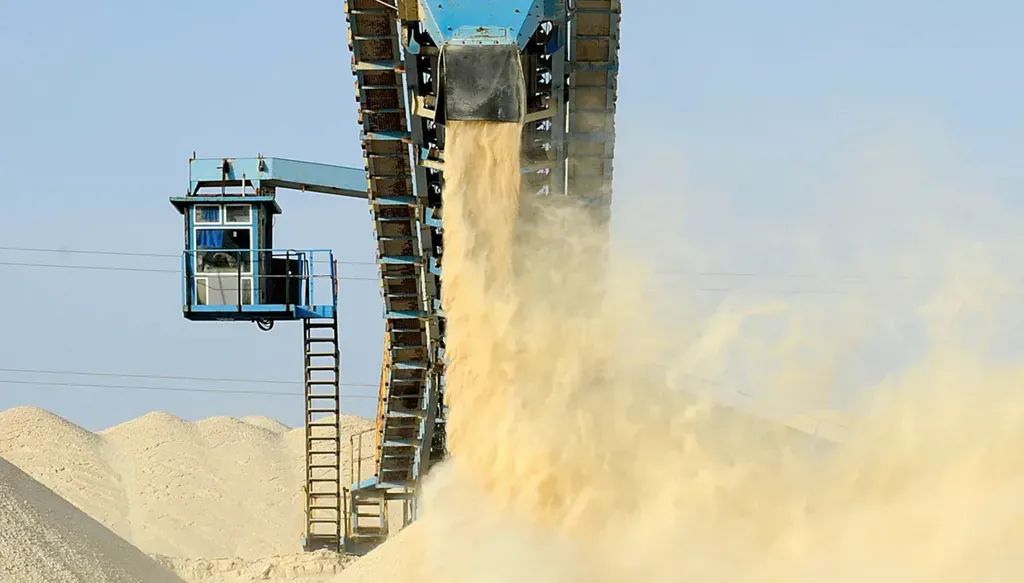

Moroccan Phosphate: A New Player in Global Markets
Recent developments indicate that Moroccan phosphate has become a focal point in the strategic calculations of U.S. economic policies. This shift is significant as it reflects the growing recognition of Morocco's phosphate resources in the global market, particularly in the context of food security and agricultural sustainability. The United States, which has historically relied on various sources for its agricultural inputs, is increasingly looking towards Morocco as a reliable supplier of phosphate, essential for fertilizer production.
Moroccan phosphate is not just a critical resource for the local economy but also plays a crucial role in supporting global agricultural needs. The U.S. is exploring ways to enhance its agricultural output and reduce dependency on other regions, thus placing Moroccan phosphate in a favorable position for future collaborations. This strategic pivot underscores the importance of Morocco’s phosphate industry, which is characterized by its high-quality reserves and sustainable mining practices.
Implications of U.S. Interest in Moroccan Phosphate
The implications of this newfound interest are manifold. For Morocco, this represents an opportunity to strengthen its economic ties with the United States, potentially leading to increased investment and technological exchange in the phosphate sector. Furthermore, as the world grapples with food insecurity exacerbated by climate change and geopolitical tensions, Moroccan phosphate can contribute significantly to enhancing global food production capabilities.
In this evolving landscape, stakeholders in both the Moroccan and U.S. phosphate sectors must navigate the complexities of international trade and environmental sustainability. The U.S. interest in Moroccan phosphate not only highlights the resource's strategic importance but also sets the stage for Morocco to assert itself as a key player in the global agricultural supply chain.
As reported by annahar.com.