
Morocco's Strategic Vision for Peace in Africa
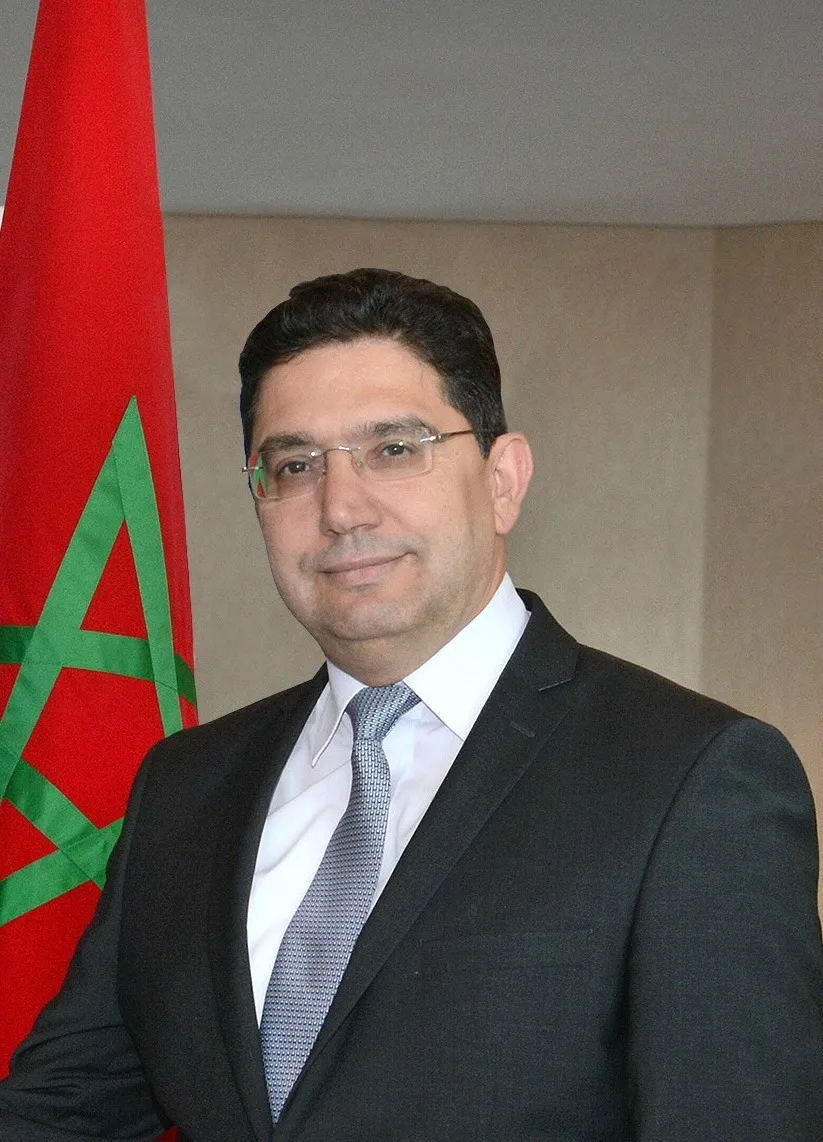
On September 25, 2026, during a ministerial meeting convened by Egypt, Kenya, the United Nations, and the African Union focused on national infrastructure for peace, Moroccan Foreign Minister Nasser Bourita emphasized the core tenets of Morocco's strategy to enhance African leadership in the realms of peace prevention and consolidation. This crucial gathering occurred at a time when Africa's security landscape is undergoing significant transformations, characterized by crises that increasingly transcend borders, the emergence of non-state armed groups, terrorist organizations, and transnational criminal networks that exploit fragile situations and porous borders. The human cost of such crises remains staggering, with nearly 45 million people currently displaced across the African continent.
Minister Bourita pointed out that these threats are compounded by risks associated with emerging technologies, particularly artificial intelligence, which can exacerbate misinformation, hate speech, and tensions when not adequately regulated. In light of the scale and evolving nature of these threats, it is imperative that response mechanisms also evolve to address these challenges effectively.
Collective Capacity Building for Crisis Prevention
Referencing a message from His Majesty King Mohammed VI delivered at the 29th summit of African heads of state and government, Minister Bourita stressed the necessity for the African Union to undergo transformation in order to provide appropriate and timely responses to new threats facing the continent. He advocated for strengthening collective capacities to anticipate crises, address their root causes, and take action before they escalate, emphasizing that prevention should be viewed not merely as a reaction to crises but as a proactive policy in its own right.
He asserted that the effectiveness of prevention hinges on genuine national ownership, robust institutions, and responses tailored to the unique realities of each country, underscoring the relevance of national peace infrastructures. According to him, these infrastructures must be fully embraced at the national level, embedded within strong national institutions, and adapted to the specific context of each nation. Their purpose is to enhance early warning systems, facilitate inclusive dialogue, and promote mediation, ensuring that identified risks can prompt timely political action.
Bourita noted that early warning systems only hold real value when they lead to prompt action, and that external partnerships should align with national priorities, bolster existing capacities, and complement national institutions. He emphasized that the goal is not to multiply structures but to better coordinate the actions of states with those of the African Union, Regional Economic Communities, and the United Nations, all while firmly adhering to the principles enshrined in the United Nations Charter and the Constitutive Act of the African Union, including peaceful dispute resolution, sovereignty, territorial integrity, non-interference, and good neighborliness.
He welcomed the adoption of the Luanda Action Plan as a significant contribution to bolstering African efforts in prevention, noting that its implementation could enhance the African Peace and Security Architecture and strengthen collective action throughout the conflict cycle while keeping national priorities at the forefront of collective endeavors.
Minister Bourita concluded by reaffirming that prevention is fundamentally a political act rooted in dialogue and mediation, which are essential for conflict prevention and the peaceful resolution of disputes. For Morocco, these principles are not merely theoretical; they translate into concrete commitments towards international peace and security. This commitment is exemplified through Morocco's presidency of the Peacebuilding Commission in 2026, which is guided by the central conviction that peacebuilding efforts must align with national priorities and be supported by coherent partnerships.
Additionally, these commitments extend to the Tangier Process, which promotes the sharing of African experiences and fosters an integrated approach to the nexus of peace, security, and development. Bourita emphasized that these various engagements stem from a shared belief that sustainable peace is not simply the absence of conflict but requires institutions capable of crisis prevention, resilient societies, and development that reduces vulnerabilities and broadens opportunities. He highlighted that prevention is also about expanding opportunities for youth and promoting economic inclusion, with a collective ambition to make prevention the first reflex of our actions, supported by solid national capacities and coherent African and international cooperation.
In conclusion, he asserted that only under these conditions can the African continent transition from crisis response to crisis prevention, and from mere peace management to the sustenance of lasting peace.
As reported by diplomatie.ma.