
Strengthening France-Sahel Relations
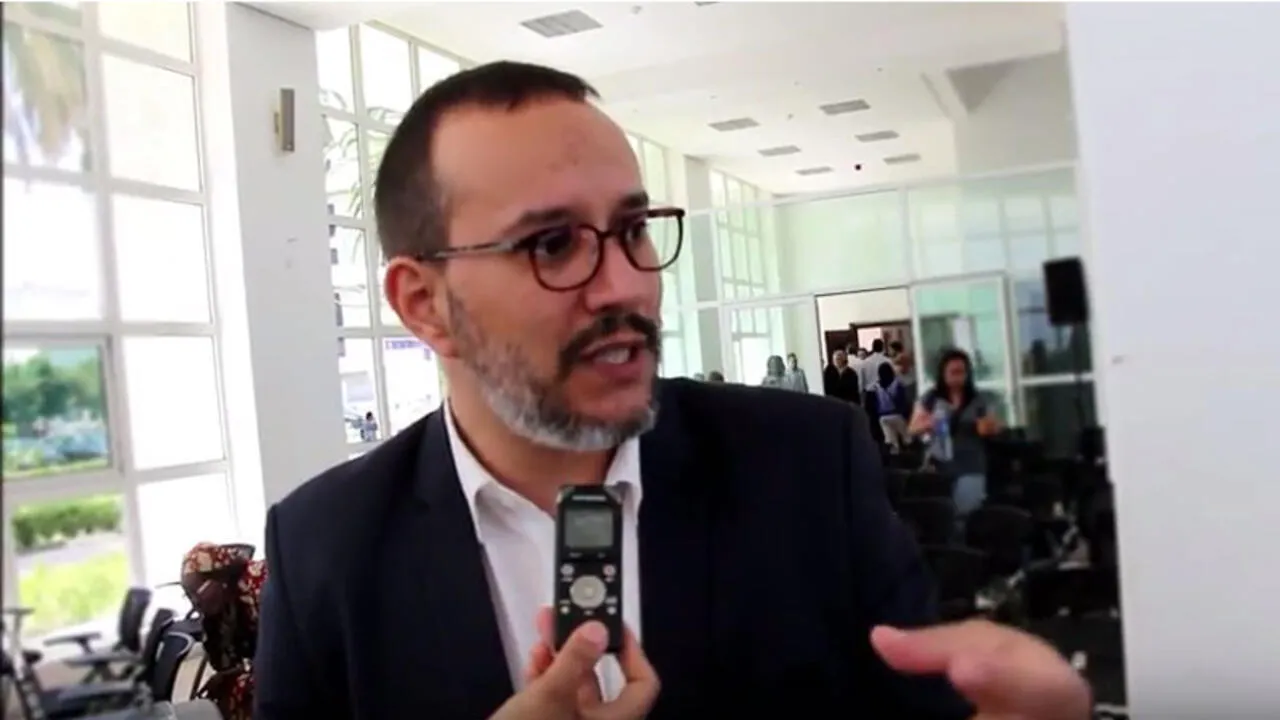
On July 15, 2026, French Prime Minister Sébastien Lecornu embarked on a significant diplomatic mission to Morocco, leading a substantial delegation of twelve ministers. This visit is not merely ceremonial; it is poised to culminate in the signing of numerous agreements that reflect the deepening of ties between France and Morocco. However, this diplomatic endeavor coincides with heightened tensions surrounding human rights issues, as Morocco has initiated legal actions against a journalist and an artist, raising concerns about the implications for freedom of expression in the region. In this context, sociologist Mehdi Alioua from the International University of Rabat, who holds the chair in Migrations, Mobilities, and Cosmopolitanism, sheds light on the intricacies of the relationship between Paris and Rabat and its wider implications for Africa. His insights were shared during an interview with Polycarpe Essomba, offering a nuanced perspective on the evolving dynamics of these relations.
Alioua emphasizes that the complexities of international relations in the Sahel are underscored by Morocco's aspirations to play a pivotal role in enhancing connections not only with France but across Africa. This ambition reflects Morocco's strategic geopolitical positioning, as it seeks to mediate and strengthen partnerships within the region. The recent developments in Franco-Moroccan relations occur against a backdrop of shifting alliances and geopolitical interests, making the dialogue between these nations crucial for regional stability and cooperation. The sociologist's analysis invites us to consider the broader implications of these relations, especially in light of Morocco's efforts to address its image and influence on the African continent.
As reported by rfi.fr.