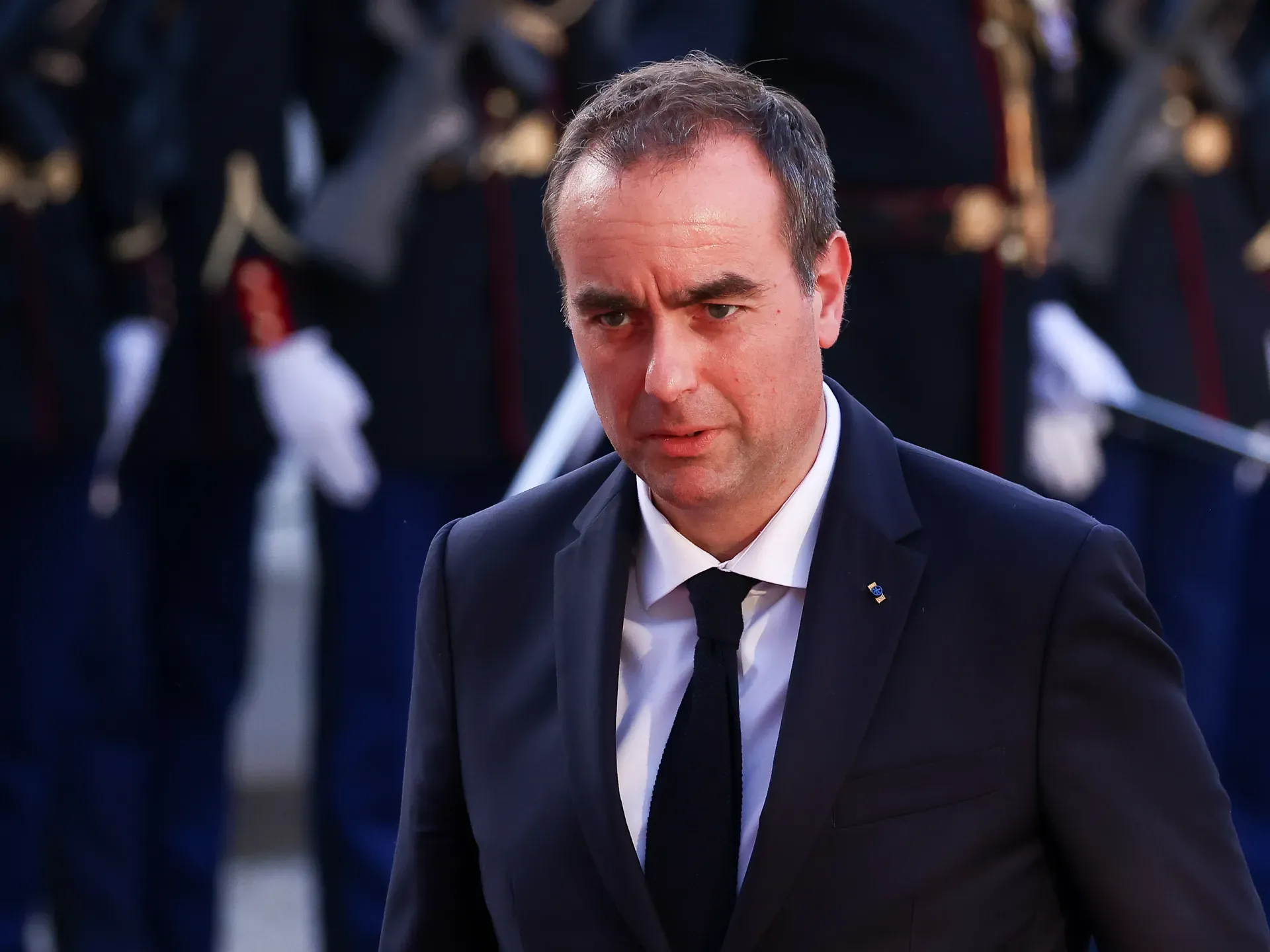

In a significant diplomatic move, French Prime Minister Sebastien Lecornu embarked on his first official foreign visit to Morocco from July 15 to 16, 2026. This two-day excursion marks a pivotal moment in France's efforts to re-establish its diplomatic relationship with Rabat, particularly following France's recognition of Moroccan sovereignty over the disputed Western Sahara. Accompanied by a delegation of around a dozen ministers, Lecornu's visit signifies France's commitment to reinforcing one of its most vital partnerships in North Africa amid escalating geopolitical competition in the region.
The series of high-level discussions during the visit focused on critical areas such as defense, security, economic collaboration, and investment. This comes after a challenging period for Franco-Moroccan relations, which faced significant strain between 2021 and 2023 due to disagreements over visa policies, judicial cooperation, intelligence sharing, and France's longstanding ambiguity regarding Western Sahara. However, a turning point was reached in 2024 when President Emmanuel Macron officially recognized Morocco's claims to Western Sahara. This pivotal decision not only ended years of French indecision but also laid the groundwork for a broader rapprochement between the two nations.
According to Ouissal Marsaoui, an international relations researcher, Lecornu's visit should be interpreted as a critical step in translating this political decision into tangible cooperation rather than merely a one-off diplomatic event. Marsaoui emphasized that this trip reflects a comprehensive recalibration of French policy as Paris seeks to align with reliable regional partners while navigating the complexities of diminishing political and economic influence throughout North Africa and the Sahel.
Morocco's Strategic Role in Regional Dynamics
Over the past decade, Morocco has emerged as a crucial link between Europe and Africa, bolstered by growing trade relationships, significant infrastructure projects, and investments in renewable energy. The expansion of the Tanger Med port complex into one of the Mediterranean's busiest shipping hubs, alongside the development of industrial zones and transport corridors, has solidified Morocco's status as a gateway for European businesses aiming to penetrate African markets. The country’s political stability and advancing defense capabilities further enhance its attractiveness as a partner.
For France, mending relations with Morocco is not merely about restoring a historical alliance; it is about adapting to a shifting geopolitical landscape where nations like China, Turkey, the Gulf states, and the United States are increasing their presence in Africa. France views Morocco as a stable ally through which it can engage effectively with both the Mediterranean region and the African continent. Ahlam Qafas, an economics professor at ENCG Kenitra, noted that Morocco's rise as a prominent logistics hub in the Mediterranean adds another layer to their relationship. The development of expanded ports and industrial zones positions Morocco as an appealing entry point for European companies looking to establish a foothold in Africa.
Future Prospects for Franco-Moroccan Relations
The renewed commitment to cooperation is already visible in the strategic areas prioritized by both governments, including defense, intelligence sharing, investment, transportation, energy, and advanced technologies. For France, strengthening ties with Morocco not only reinforces its position in North Africa but also serves to mitigate the impact of strained relations with Algeria and reduced influence across the Sahel following a series of military-led changes in governance. Security collaboration remains a central focus, particularly regarding intelligence sharing, counterterrorism efforts, and defense industrial cooperation.
For Morocco, enhanced French engagement could catalyze investment in sectors vital to its long-term economic aspirations, such as transport infrastructure, renewable energy, advanced manufacturing, defense industries, and digital technologies. Marsaoui highlighted that the expansion of defense and security cooperation in the wake of France's recognition of Moroccan sovereignty over Western Sahara lends institutional credibility to this policy shift. This strategic alignment is seen as a transformation of what could have been viewed as a personal political decision by President Macron into a lasting institutional direction.
Ultimately, the success of this diplomatic reset in evolving into a robust strategic partnership will hinge on how both nations navigate their political alignment into sustained cooperation across defense, investment, and regional security. As Nouh El Harmouzi, founder of the Arab Center for Scientific Research and Humane Studies, articulated, the significance of Lecornu's visit lies not solely in the agreements that may emerge but in the profound implications it holds for the trajectory of Franco-Moroccan relations. This engagement reflects a gradual transition towards a partnership characterized by strategic interdependence, where both countries increasingly acknowledge each other as essential players in addressing the long-term challenges facing the region.
As reported by aljazeera.com.