
Franco-Moroccan Relations Set to Reach New Heights
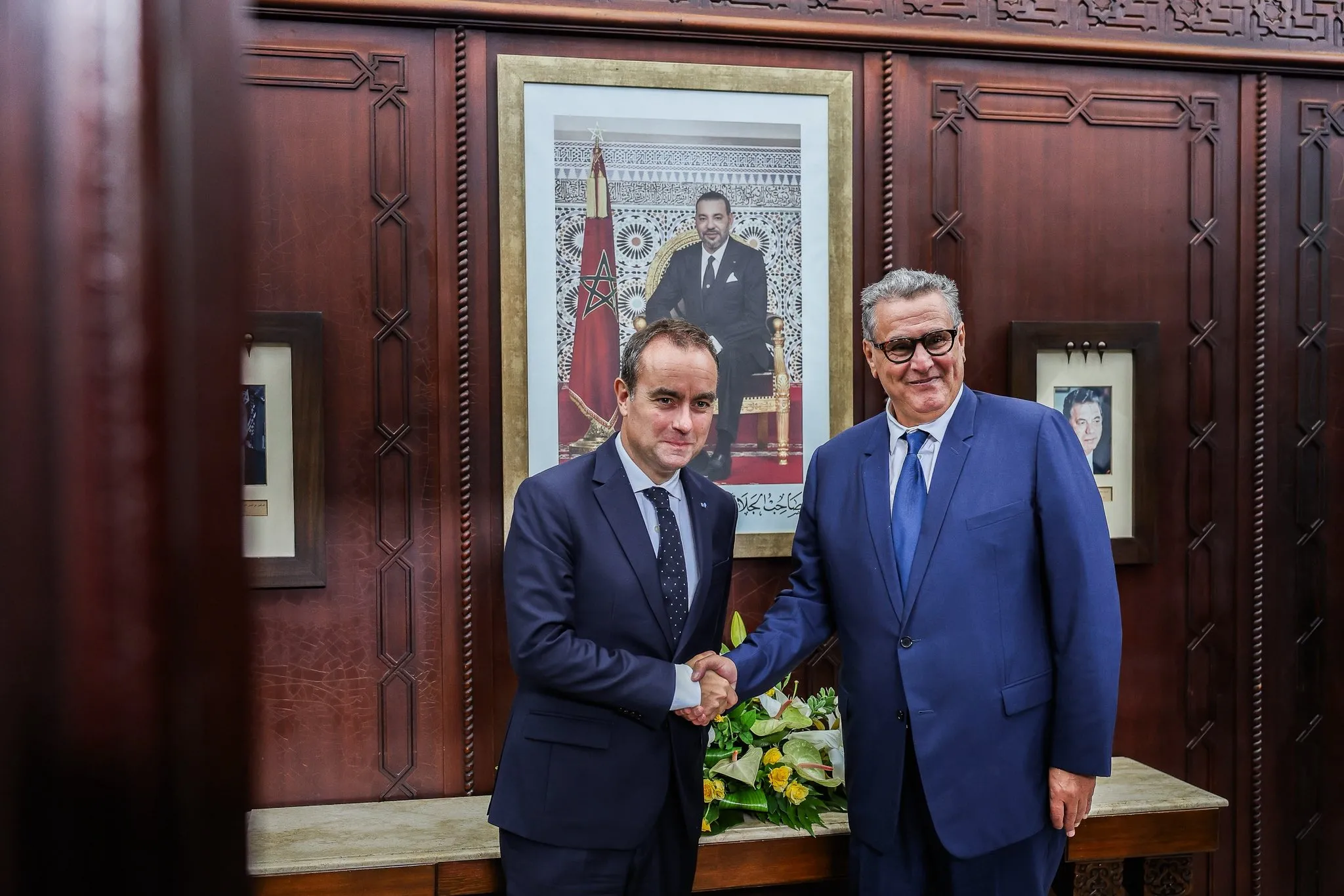
France and Morocco are poised to elevate their bilateral relationship through a comprehensive friendship treaty aimed at deepening cooperation across various sectors. On Thursday, July 16, 2026, high-ranking officials from both nations convened in Rabat for the first time since 2019 to engage in significant governmental consultations. The discussions encompassed a variety of crucial areas including security, energy, transportation, water management, education, culture, and defense. During this meeting, French Prime Minister Sébastien Lecornu reaffirmed Paris's support for Moroccan sovereignty over the disputed territory of Western Sahara, emphasizing the importance of this issue in the broader context of their partnership.
The 15th French-Moroccan government conference was co-chaired by Lecornu and Moroccan Prime Minister Aziz Akhannouch, with a delegation of twelve French ministers traveling to Rabat to engage with their Moroccan counterparts. Both governments characterized this meeting as a pivotal step towards closer ties, a process that began with President Emmanuel Macron’s state visit to Morocco in October 2024. During that visit, France and Morocco established a "strengthened exceptional partnership" and signed 22 strategic agreements with a total value nearing ten billion euros, setting the foundation for future collaboration.
New Friendship Treaty to Broaden Cooperation
Prime Minister Lecornu announced plans for King Mohammed VI's forthcoming state visit to France to culminate in a new friendship treaty. This agreement is intended to extend beyond the partnership established in 2024, providing a structured framework for long-term collaboration. Lecornu described the treaty as "outside the usual framework," highlighting its potential uniqueness as France’s first such agreement with a non-European Union country. A Franco-Moroccan expert panel is currently drafting the text of this landmark document.
According to Lecornu, the aim of this collaboration is to achieve a new level of engagement that not only honors historical ties but also establishes a shared political, economic, and security foundation for the decades to come. The resumption of high-level government consultations marks the end of a prolonged hiatus, with the last meeting of this format occurring in Morocco in 2017 and the most recent French-Moroccan government conference in 2019. Since Macron's state visit, political contacts have intensified significantly. Reports indicate that around 20 Moroccan ministers have traveled to France for discussions, while French government members have conducted 16 visits to Morocco, resulting in over 40 political meetings and high-level visits since October 2024.
New agreements signed in Rabat cover multiple aspects of bilateral cooperation, including the financing of the regional rail network in the Greater Rabat area and a French loan to bolster Moroccan water policy. Other documents pertain to civil aviation, maritime training, scientific collaborations, postal exchanges, and infrastructure and construction project partnerships. In the energy sector, both nations aim to accelerate joint initiatives, initiating an expression of interest for an electricity connection between Europe and North Africa. Furthermore, both countries are inclined to involve their businesses more deeply in shared value chains across energy, transport, industry, and high technology.
As reported by fokus-afrika.de.
In light of these developments, Akhannouch emphasized that the new agreements should complement the projects initiated in 2024 and expedite their implementation. Joint commissions, working groups, and expert committees will be established to monitor progress and develop further initiatives.
On the security front, France and Morocco are committed to enhancing their collaboration against terrorism, drug trafficking, human trafficking, organized crime, and irregular migration. Lecornu noted an already close cooperation between law enforcement, judicial authorities, and security services of both nations, which has led to exceptional operational successes against organized crime and drug smuggling, although specific details were withheld. Currently, Paris and Rabat are working towards a comprehensive security agreement that will consolidate their existing collaboration and expand into new areas in the coming months. Additionally, defense cooperation is set to be strengthened, with both governments agreeing to establish a bilateral committee for the defense industry and a technical agreement regarding access to military archives.
Lecornu reiterated France's steadfast position regarding the Western Sahara conflict, affirming that France stands "loyally and faithfully" with Morocco. He characterized Paris’s stance as "unchanging," indicating that it will not be subject to future alterations. President Macron previously communicated to King Mohammed VI that France perceives the present and future of Western Sahara within the framework of Moroccan sovereignty, viewing Morocco's autonomy plan as the basis for a political resolution to the long-standing conflict. This repositioning has significantly improved the previously strained relations between Paris and Rabat, with Akhannouch describing it as a foundation for a new political dynamic between the two nations.
As both countries look towards the future, France is keen to bolster Morocco's relations with the European Union, with Lecornu suggesting France as a potential "anchor point" for cooperation between Rabat and Brussels. Furthermore, both nations aspire to undertake joint initiatives in Africa, focusing on security and stability in the Sahel region, economic investments, and demographic and ecological challenges. The collaboration also aims to facilitate exchanges among students, scholars, entrepreneurs, and individuals holding French and Moroccan citizenship. Notably, Moroccan students currently constitute the largest group of foreign students in France. Moreover, the new agreements encompass partnerships in Arabic language instruction and history and geography education in French schools in Morocco, as well as cultural promotion initiatives, artist programs, and support for African authors and filmmakers.