
Fostering Collaboration Between Morocco and the United States
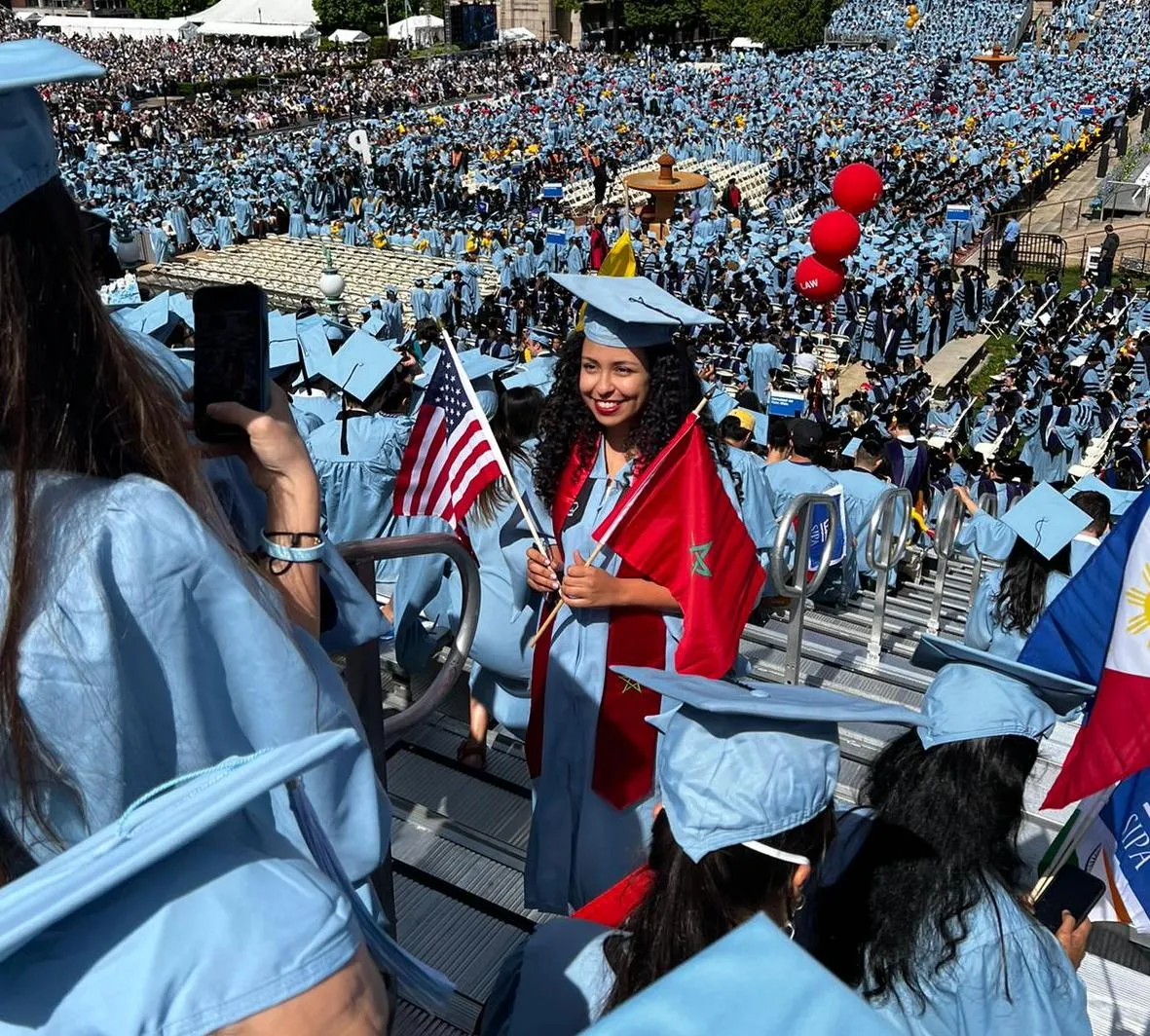
This past Saturday, the American Corner in Casablanca hosted the second edition of a networking event aimed at former beneficiaries of the "EducationUSA" program, attracting approximately 200 Moroccan students who have previously studied in the United States. The event also included business leaders and academic partners, all gathered with the intent of fortifying Moroccan-American cooperation in the realms of education, trade, and regional development. Moreover, the meeting aimed to encourage participants to establish new networks and identify collaborative opportunities among economic and academic stakeholders from both nations.
Christopher Deutsch, the U.S. Consul General in Casablanca, expressed that the relationship between Morocco and the United States, which has deep roots extending back around 250 years, is continually strengthened by individuals who contribute to building bridges between the two countries in various fields including education, business, and scientific research. He conveyed his delight at meeting a significant number of Moroccan alumni from American universities, emphasizing that graduates of the "EducationUSA" program play a crucial role in maintaining and enhancing the ties between the two nations.
Enhancing Human Capital for Future Growth
Deutsch elaborated that studying in the United States transcends mere knowledge acquisition and degree attainment; it also provides students with the opportunity to cultivate a network of relationships that can offer long-term personal and professional support. In a similar vein, Benjamin Zeif, the Chargé d’Affaires at the U.S. Embassy in Morocco, noted that this gathering serves as a celebration of the connections formed among "EducationUSA" alumni and the broader relationship between Morocco and the United States. He reiterated that while Morocco boasts numerous resources, its most valuable asset lies in its human capital, underscoring the importance of strengthening ties between Moroccan universities and their American counterparts.
Zeif praised the evolution of Moroccan universities and their increasing openness to the world, stating that enhancing connections with the American academic system, which he referred to as the “best in the world,” could yield a mutually beneficial scenario for both countries. He linked the significance of these partnerships to the high caliber of Moroccan students, asserting that investment in human capital could serve as a further avenue to bolster relations between the two nations.
The discussions held during the event provided an opportunity to highlight the potential role of Moroccans educated in the United States in supporting Morocco’s economic growth and enhancing trade exchanges between the two countries. Notable speakers included Jinan Lghrari, chair of the Skills Development and Employment Committee at the General Confederation of Moroccan Enterprises and an independent board member of Bank of Africa, alongside Julian Foreman, the General Director of Polydesign Systems. They discussed how the experiences of graduates can contribute to the development of the entrepreneurial ecosystem in Morocco while strengthening Moroccan-American business relations.
Participants also explored sectors that could prioritize investment, alongside the advantages that American higher education offers in training Morocco’s workforce and enhancing its skill set. Amine Ben Saïd, President of Al Akhawayn University, emphasized that graduates educated in the United States contribute significantly to enhancing Morocco's human capital, as well as their role in bridging academia and industry sectors.
The conference did not shy away from showcasing the economic potential of Morocco’s southern regions. Notably, Saad Ismail, head of the Investor Support Department at the Regional Investment Center of Dakhla-Oued Ed-Dahab, and Nasreen Elouzi, project manager for the Atlantic Dakhla Port construction, presented insights into investment and development opportunities in the region. Their presentation highlighted the prospects for forming partnerships between American companies, universities, and local economic stakeholders, thereby leveraging the unique qualifications available in the Dakhla-Oued Ed-Dahab region.
Alongside the economic and academic discussions, the event aimed to strengthen the formation of a network of alumni from American colleges and universities in Morocco, facilitating the exchange of experiences, the establishment of new partnerships, and contributing to the development of Moroccan-American relations. "EducationUSA" is a network associated with the U.S. Department of State, comprising over 430 centers dedicated to advising international students across more than 175 countries and territories. This network works to promote American higher education while assisting students interested in studying in the United States by providing information about opportunities in accredited American institutions of higher education.
As reported by thevoice.ma.