
The Strategic Importance of Morocco-Spain Relations
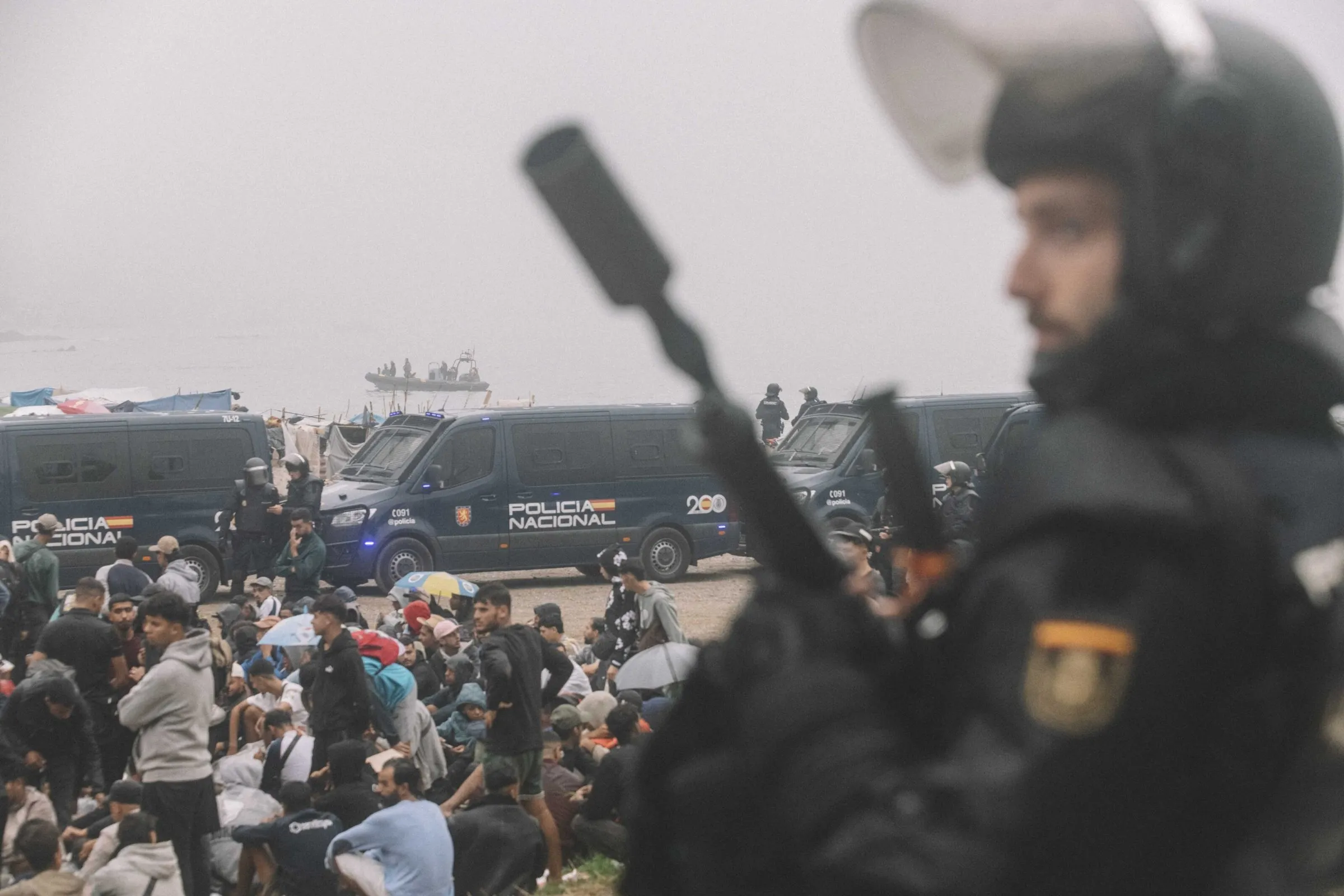
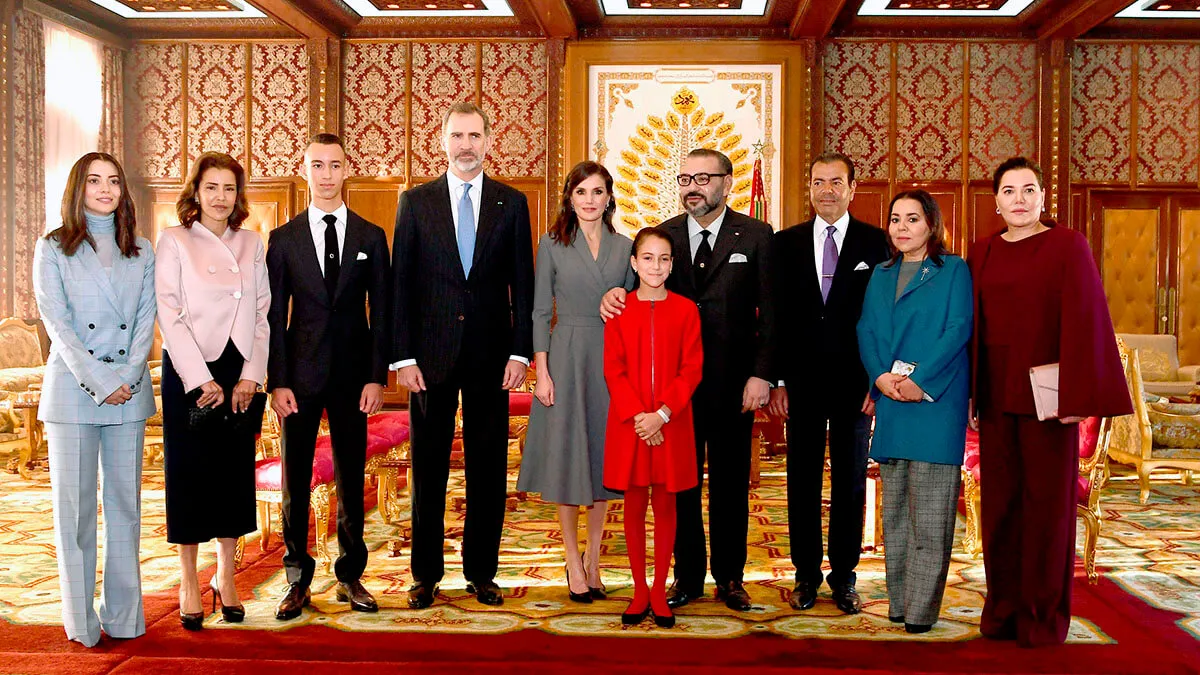
Morocco and Spain share a strategically vital relationship within the Mediterranean region, characterized by geographical proximity, robust economic exchanges, and deep-rooted human connections. This significant cooperation is essential for ensuring stability and fostering development across the region. However, maintaining such a pivotal relationship necessitates a realistic approach to address the challenges that arise in sensitive areas, particularly concerning irregular immigration.
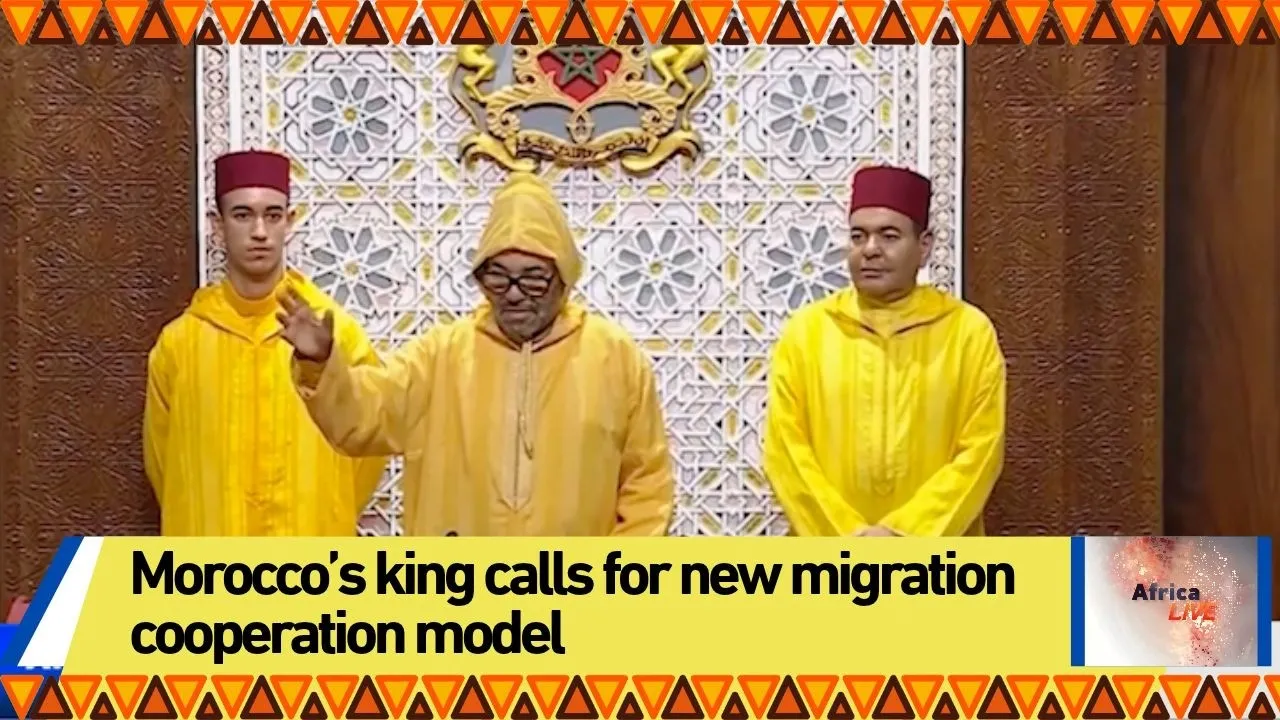
In his address marking the opening of the legislative year, His Majesty King Mohammed VI acknowledged the progress made in migratory cooperation but emphasized that the current model has reached its limits. This assessment sparks a critical debate regarding the need to reassess existing mechanisms and to seek more effective, long-lasting solutions while preserving the achievements made between Rabat and Madrid.
Emphasizing Sovereignty and Mutual Respect
One of the most noteworthy aspects of the King’s speech is the emphasis on the sovereign and voluntary nature of cooperation between Morocco and its partners. The message stresses that mutual respect, political will, and the defense of shared interests form the foundational principles of international relations. King Mohammed VI firmly stated, "In light of irresponsible declarations and the blatant instrumentalization by certain political and media sectors, we affirm that partnership is a sovereign choice and a voluntary commitment that will never be subject to pressure, threats, or blackmail." This declaration invites a reflection that transcends mere migratory management; it underscores that the relationship between two states requires continuity, trust, and the ability to resolve differences through dialogue and appropriate institutional channels.
Discrepancies are an inherent part of any bilateral relationship, and how these are managed is crucial for preserving cooperation. In the case of Morocco and Spain, the breadth of shared interests makes it especially important to maintain constant communication and to prevent transient tensions from hindering the development of joint projects. The King’s reference to the challenges of the migratory model raises a central question: how can the effectiveness of cooperation be improved when current mechanisms fail to resolve all situations? Recurrent crises highlight the need to evaluate existing procedures, enhance institutional coordination, and explore what adjustments could lead to more effective management. The challenge lies not only in reinforcing border control but also in finding sustainable solutions through structured and predictable cooperation.
Morocco and Spain share common responsibilities and interests in combating criminal networks that exploit irregular immigration. Progress in this area requires coordination and collaborative mechanisms capable of responding to changing circumstances. The reflections presented in the royal address thus encourage an examination of the current model’s outcomes and the identification of new avenues for cooperation, aiming to transform existing difficulties into opportunities for enhancing the effectiveness of joint actions.
Another relevant element of the King’s message pertains to the statements from certain political and media sectors and their potential exploitation of migration issues. Irregular immigration occupies a prominent place in the Spanish public debate, eliciting diverse views on border control, international cooperation, and migration policies. In a democratic society, the diversity of opinions and criticism of public decisions are part of a legitimate discourse. However, it is equally important to distinguish between political disagreement and controversies that might hinder understanding between neighboring countries. Generalized accusations or oversimplified presentations of complex issues do not necessarily facilitate solution-seeking.
The position articulated by King Mohammed VI highlights the importance of preserving bilateral cooperation in the face of transient tensions. From a diplomatic perspective, the challenge is to maintain dialogue between Rabat and Madrid without allowing momentary political differences to overshadow shared interests. This does not imply excluding immigration from public debate, but rather addressing it with rigor, verified information, and responsibility. A solid bilateral relationship requires both the freedom to express opinions and the willingness to keep institutional communication channels open.
The royal speech also points towards a broader perspective linked to co-development, economic competitiveness, and regional stability. This orientation allows for situating the future of Morocco-Spain relations within a framework that transcends the management of migratory crises. Both countries hold significant common interests in trade, investments, security, and societal exchanges. Deepening cooperation in these areas can contribute to solidifying a more diversified partnership and leveraging the opportunities presented by their geographical proximity.
The challenge lies in translating diplomatic principles into concrete initiatives, strengthening institutional coordination, and establishing measurable medium- and long-term objectives. Economic cooperation, political dialogue, and mutual trust must advance in a complementary manner. The perspective of co-development becomes particularly relevant as it invites the expansion of collaborative spaces and the promotion of projects that generate shared benefits. This vision can help strengthen the ties between both societies and establish a relationship with greater capacity to tackle regional challenges.
King Mohammed VI's message urges reflection on how to consolidate the advancements achieved between Morocco and Spain and adapt cooperation mechanisms to current needs. Sovereignty, institutional dialogue, and the pursuit of common interests are essential elements for progressing in this direction. In this context, the historical trajectory of the Kingdom of Morocco adds an important dimension to understanding its perspective on international relations. The continuity of its institutions and its history as a state are part of a political identity that places significant importance on sovereignty and the independence of its strategic decisions.
This perspective allows for situating cooperation with Spain within the framework of a relationship between two neighboring countries, each with its own history, institutions, and priorities. The bilateral relationship is not without differences, but its strategic importance necessitates tackling these differences with responsibility and a willingness to understand. The ability to negotiate, find points of convergence, and maintain a long-term perspective will be crucial in addressing shared challenges. The announced orientation towards co-development, economic competitiveness, and regional stability opens an opportunity to deepen cooperation that not only responds to crises but also anticipates them and generates new opportunities.
The future of relations between Rabat and Madrid will depend on their capacity to turn current challenges into concrete results. Enduring cooperation does not require both countries to renounce their respective positions, but rather to defend them through dialogue, mutual respect, and acknowledgment of each state's sovereignty.
As reported by atalayar.com.