
Collaborative Efforts for Renewable Energy Development in Africa
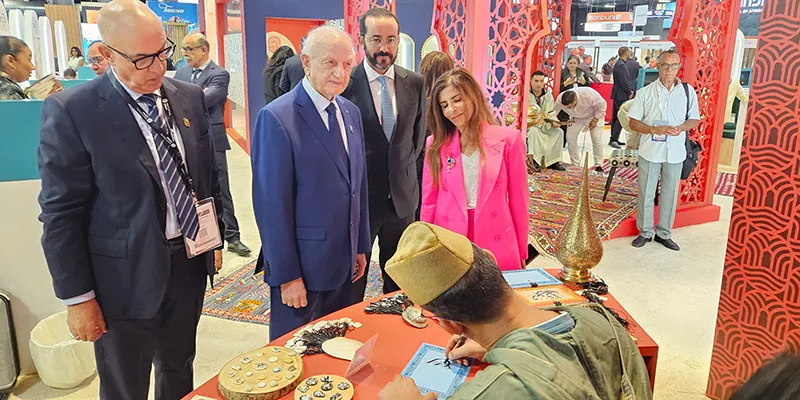
From June 8 to June 12, 2026, Marrakech served as the backdrop for a significant workshop organized by MASEN in collaboration with the World Bank, the African Development Bank (AfDB), GIZ, the French Development Agency (AFD), and the International Renewable Energy Agency (IRENA). This event marked the second in-person workshop of the "Competitive Bidding for Renewable Energy Projects" program, aimed at enhancing the capabilities of public institutions in designing, launching, and managing pivotal energy projects. The initiative is a vital component of the ongoing energy transition across Africa, as MASEN and its international partners work to implement strategies that empower nations in their renewable energy efforts.
Representatives from 17 African countries convened in Marrakech for this impactful workshop, part of the Solar Risk Mitigation Initiative (SRMI). This gathering builds on the foundations laid during a previous workshop held in Rabat from October 27 to 31, 2025, and represents a critical phase in the training journey undertaken by the participating nations. Throughout the workshop, attendees engaged in a series of focused technical sessions, collaborative group work, and peer exchanges, with discussions centered on various crucial topics, including the structuring of renewable energy projects, financing mechanisms, enhancing bankability, risk-sharing between public and private entities, and competitive and transparent project allocation procedures.
Immersive Learning Experience at Noor Solar Complex
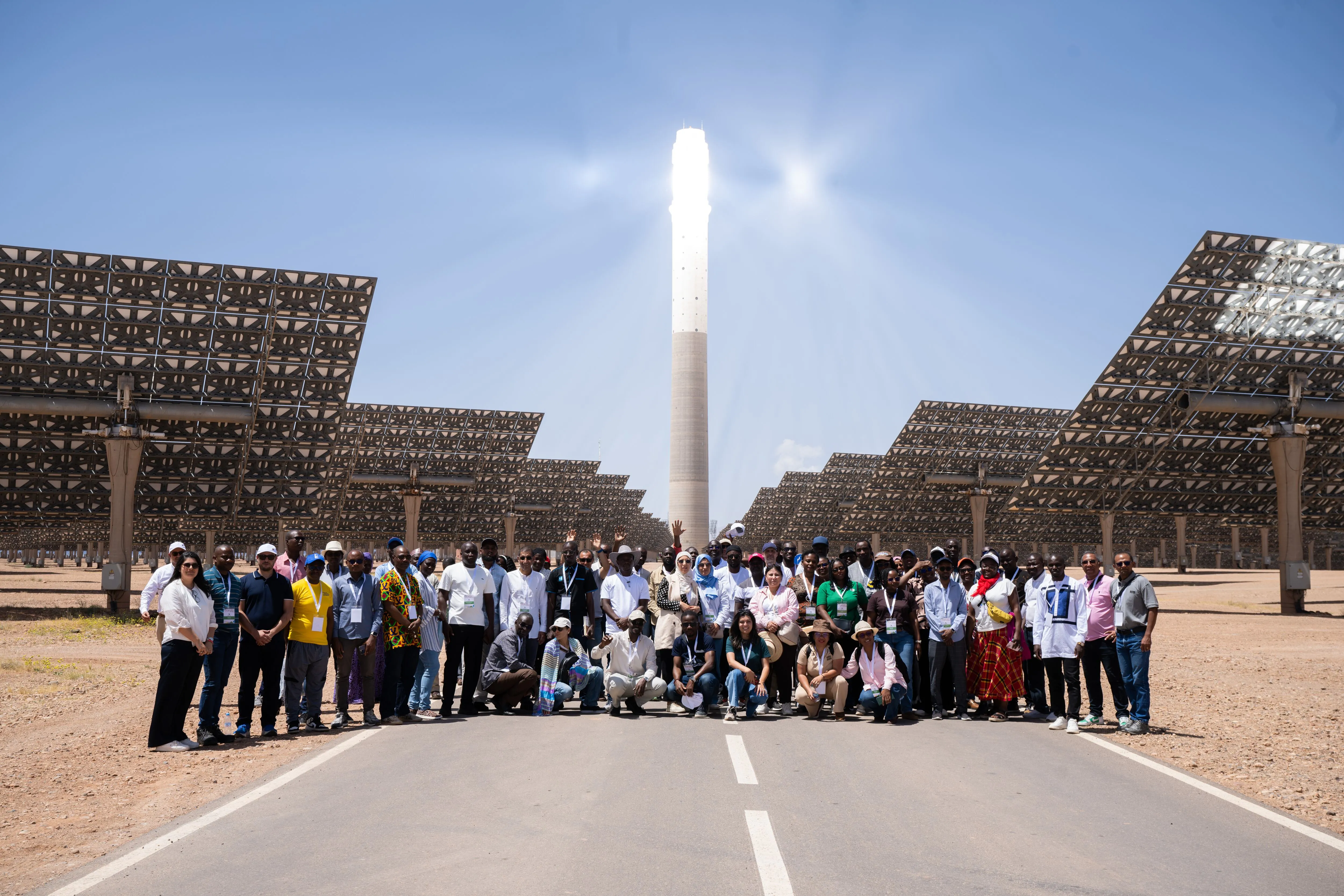
The workshop kicked off with an insightful visit to the Noor Ouarzazate solar complex, recognized as one of the largest and most iconic solar projects globally. This on-site experience provided participants with a tangible understanding of Morocco's advancements in renewable energy development, showcasing the infrastructures and solutions implemented as part of the national energy transition strategy. This practical immersion effectively bridged the theoretical aspects of the program with real-world applications, allowing attendees to appreciate the complexities and successes of energy transitions firsthand.
The participating nations included Benin, Burkina Faso, Burundi, Cameroon, Comoros, the Central African Republic, Côte d'Ivoire, Gabon, Madagascar, Mali, Mauritania, Niger, Rwanda, Senegal, Chad, Togo, and Tunisia. These beneficiary countries received technical support aimed at strengthening their institutional capacities, improving governance, and enhancing the execution of their energy transition strategies. This program is bolstered by the support of prominent international partners, including ESMAP (Energy Sector Management Assistance Program), PPIAF (Public-Private Infrastructure Advisory Facility), the AfDB's Desert to Power initiative, and GIZ's _GET.transform_ program. Together, these stakeholders are committed to disseminating best practices in energy project structuring and developing competitive renewable energy markets.
Through this initiative, MASEN underscores its commitment to South-South cooperation and solidifies its role in guiding African nations toward a sustainable, inclusive energy transition anchored in resilient and competitive development models.
As reported by fr.le360.ma.