
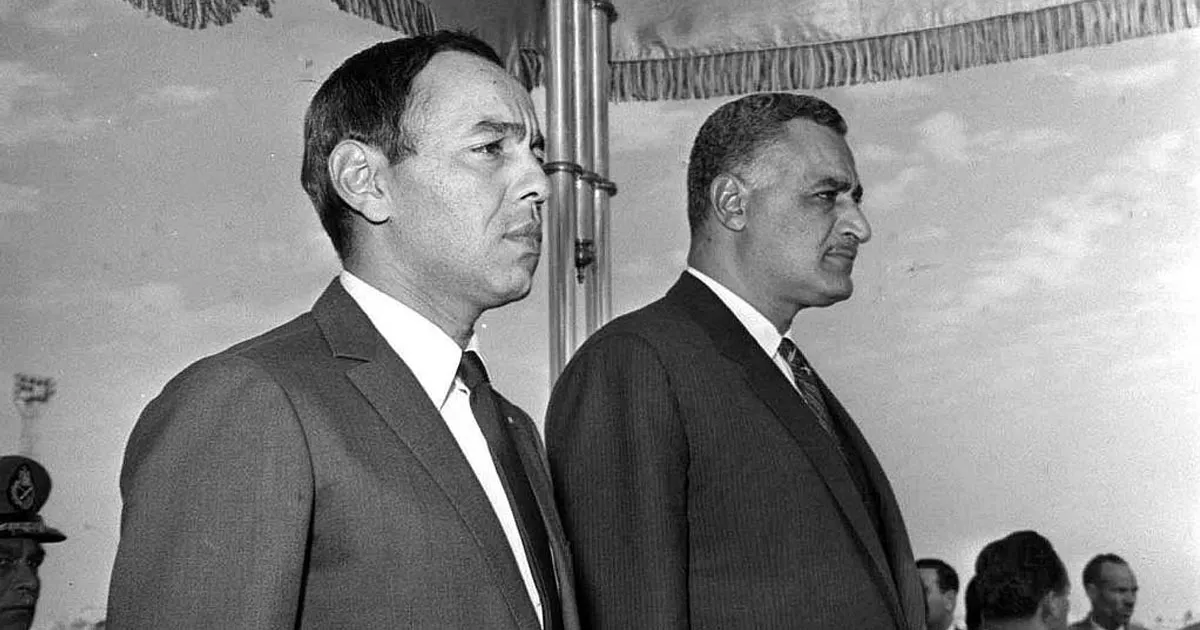

The diplomatic relationship between Morocco and Israel has reached a significant new milestone, with both nations set to establish embassies following the resumption of their diplomatic ties in 2020. This announcement was made on September 16, 2026, in New York, under the auspices of the United States. The evolution of relations between Rabat and Tel Aviv has come as a surprise to many observers who remain taken aback by this development, though the roots of these ties stretch back to the 1960s during the height of conflict between Israel and Egypt. Recent revelations have shed light on this intricate history, suggesting a deeper connection than previously understood.
Former Israeli generals have been vocal about the support provided by King Hassan II of Morocco to the Mossad during a pivotal Arab League summit held in Casablanca in September 1965. Shlomo Gazit, who served as the head of Israeli military intelligence, recently reiterated the vital role that Moroccan intelligence played during the Six-Day War, which occurred from June 5 to June 10, 1967. According to Gazit, Morocco's assistance allowed Israeli forces to monitor the Arab League summit in real-time, which was exclusively focused on assessing the military readiness of Arab armies in anticipation of a confrontation with Israel.
During this summit, the disunity among Arab leaders became evident, with significant disputes arising, notably between Egyptian President Gamal Abdel Nasser and Jordan's King Hussein. Gazit highlighted that these insights, gleaned from Moroccan intelligence, revealed the weakened state of Arab military capabilities. The intelligence gathered provided Israel with a clearer understanding of its adversaries, confirming suspicions about their lack of preparation for war. Gazit stated that this information led Israeli commanders to believe they could achieve victory in future conflicts.
Intelligence Collaboration and Its Consequences
The intelligence shared by Morocco not only assisted Israel in its military preparations but also had severe repercussions for Moroccan political dynamics. A month after the Arab League summit, Mossad agents were implicated in the abduction and assassination of Mehdi Ben Barka, a prominent opponent of King Hassan II, in Paris on October 29, 1965. The operation was made feasible by Mossad's established presence in France, which had been operational for five years with the approval of French President Charles de Gaulle. This office played a crucial role in orchestrating the trap for Ben Barka, utilizing both a historical film project and facilitating the entry of Moroccan secret agents into France using forged passports, with the backing of Israel's leadership.
The revelations about the historical ties between Morocco and Israel underscore a complex narrative that intertwines diplomatic relations with covert operations and military strategy. As Morocco and Israel continue to strengthen their diplomatic relations, the implications of their past interactions remain a significant aspect of their evolving partnership. The historical context provides a backdrop against which current developments can be understood, indicating that the relationship between these two nations is not merely a contemporary phenomenon but rather a continuation of a long-standing, albeit discreet, alliance.
As reported by kapitalis.com.
