
Morocco is actively pursuing the acquisition of additional defense systems manufactured in Israel, as reported by Israeli sources, signifying an ongoing deepening of defense cooperation between the two nations. Since the normalization of diplomatic relations in 2020, Israel has emerged as a vital supplier of air defense systems, unmanned vehicles, precision strikes, and intelligence capabilities to Morocco. This burgeoning partnership is also influenced by Morocco's historical rivalry with neighboring Algeria, which adds a layer of strategic significance to their collaboration.
The anticipated expansion of defense cooperation between Israel and Morocco is indicative of the growing military ties that have developed over recent years. Though the two countries do not maintain a mutual defense treaty akin to a NATO alliance, their security relationship has become increasingly structured through formal agreements, collaborative work plans, military partnerships, and defense procurement efforts. This evolving dynamic underscores the strategic importance of their alliance in the face of regional challenges.
Historical Context of the Israeli-Moroccan Defense Relationship
The foundation of the current Israeli-Moroccan relationship can be traced back to the normalization of diplomatic ties in 2020, part of the broader Abraham Accords initiative. A notable milestone occurred in November 2021 when defense officials from both countries signed a Memorandum of Understanding (MoU), which established a formal framework for defense and security cooperation. This agreement lays the groundwork for intelligence sharing, military training, defense procurement, and industrial collaboration. Since then, Morocco and Israel have developed comprehensive joint military work plans that encompass various areas, including military modernization, air defense, reconnaissance, and artillery enhancements. Consequently, Israel has become a key provider of military technology to Morocco, particularly in the domains of air and missile defense, unmanned systems, electronic warfare, and long-range precision strikes.
Morocco's defense strategy is also shaped by its ongoing tensions with Algeria, which is its primary regional rival. Central to this rivalry is the contentious issue of Western Sahara, where Morocco asserts its claim to sovereignty, while Algeria backs the Polisario Front, which advocates for the territory's independence. Relations between Rabat and Algiers have deteriorated significantly over the past decades, with their land border closed since 1994 and Algeria severing diplomatic ties with Morocco in 2021. The two countries also exhibit contrasting international security affiliations; Morocco maintains strong diplomatic and military connections with the United States and several European nations, while Algeria has historically favored extensive defense relations with Russia. Additionally, Morocco's diplomatic relations with Iran were severed in 2018 due to allegations of Iranian support for the Polisario Front, further complicating regional dynamics.
Significant Developments in Military Procurement
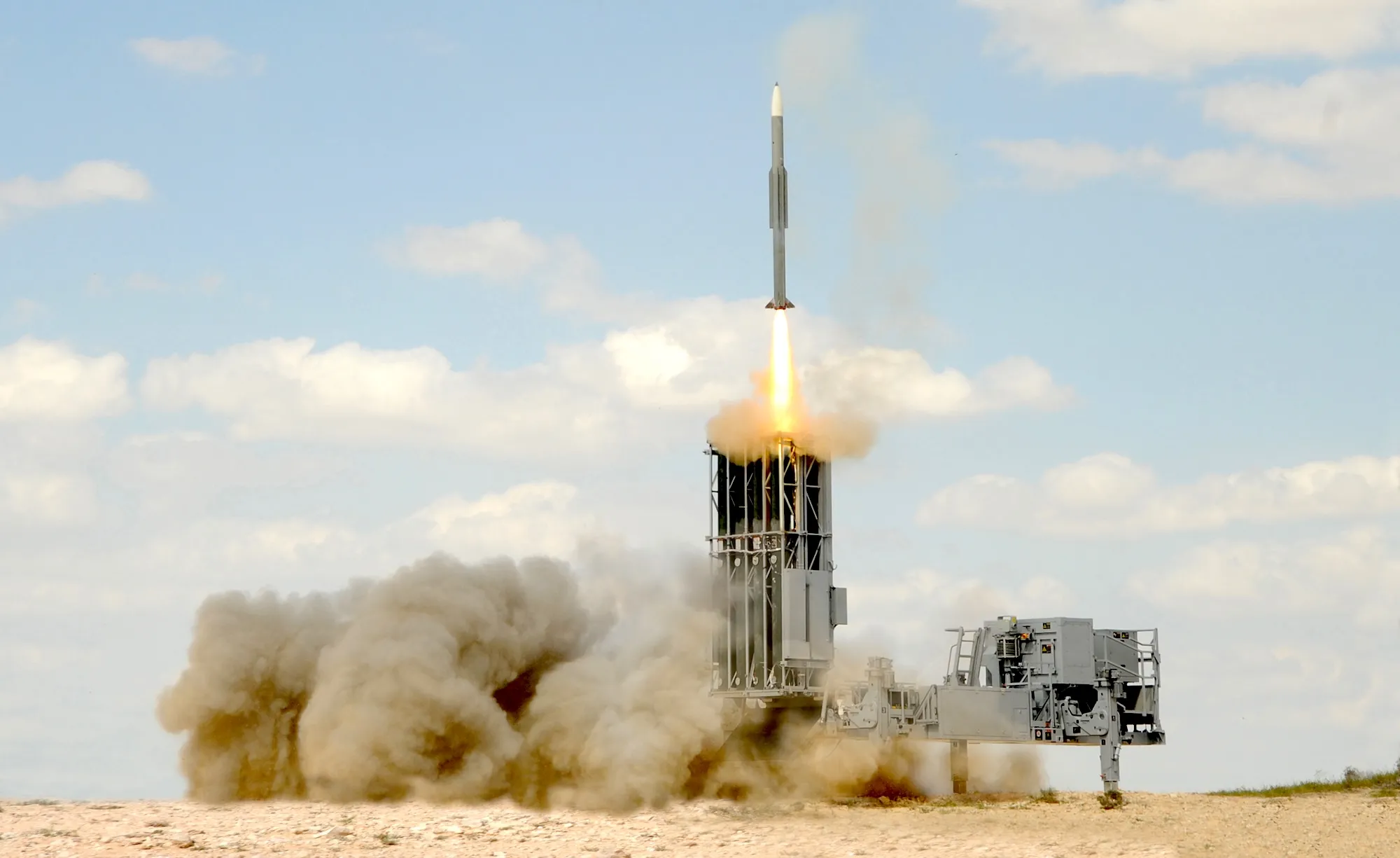
Among the significant Israeli defense systems procured by Morocco is the BARAK MX air and missile defense system, produced by Israel Aerospace Industries (IAI). Reports indicate that Morocco placed an order for this system in 2022, with the transaction valued at approximately $500 million. The BARAK MX is designed as a multi-layered air defense architecture that can effectively engage a diverse array of aerial threats, including aircraft, unmanned aerial vehicles, and missiles. Sources indicate that Morocco has successfully completed the deployment and operational activation of this advanced system, marking a notable advancement in its air defense capabilities and reflecting the increasing integration of Israeli technology within the Moroccan Armed Forces.
However, the collaboration between Israel and Morocco extends far beyond air defense systems. Morocco has diversified its acquisitions to include a variety of Israeli technologies across multiple operational domains. For instance, in 2021, Morocco purchased the Israeli SkyLock system, designed to detect and neutralize hostile unmanned aerial vehicles. Additionally, Morocco has acquired the Precise and Universal Launching System (PULS) multiple rocket launcher from Elbit Systems, valued at around $150 million, thereby enhancing its land forces with long-range precision strike capabilities. The partnership has also encompassed unmanned systems, with Morocco procuring Israeli UAVs and loitering munitions, such as the Heron and Harop, along with WanderB and ThunderB unmanned aircraft.
Furthermore, the collaboration has evolved beyond mere imports, as Morocco has engaged in local production of Israeli-designed unmanned systems, exemplified by its partnership with BlueBird Aero Systems on the SpyX loitering munition. This initiative marks a significant step towards increasing domestic involvement in the manufacturing of advanced military technologies.
In a further expansion of their strategic relationship, Morocco reportedly reached an agreement in 2024 for the acquisition of an advanced Israeli reconnaissance satellite from IAI, with a value estimated at around $1 billion. This satellite is intended to provide Morocco with an independent strategic intelligence-gathering capability, significantly enhancing its ability to monitor developments across North Africa and beyond without solely relying on intelligence from international partners.
Overall, the Israeli-Moroccan relationship has evolved remarkably since the normalization of diplomatic relations in 2020. What initially commenced as a renewed political dialogue has matured into a multifaceted partnership encompassing intelligence sharing, military training, air defense, precision strikes, unmanned systems, space-based reconnaissance, and defense industrial cooperation. It is crucial to delineate this relationship from a formal military alliance, as neither country is obligated to defend the other. Instead, the partnership is predicated on shared security interests, bilateral agreements, and a growing nexus of technological and military cooperation. As Morocco continues to pursue additional Israeli-made defense systems, it is evident that this strategic collaboration is set to advance further, with Israel becoming an increasingly vital defense partner in North Africa, while Morocco enhances its military capabilities in an ever-evolving regional security landscape.
As reported by euro-sd.com.