
Significant Findings on Microplastics in Agricultural Lands
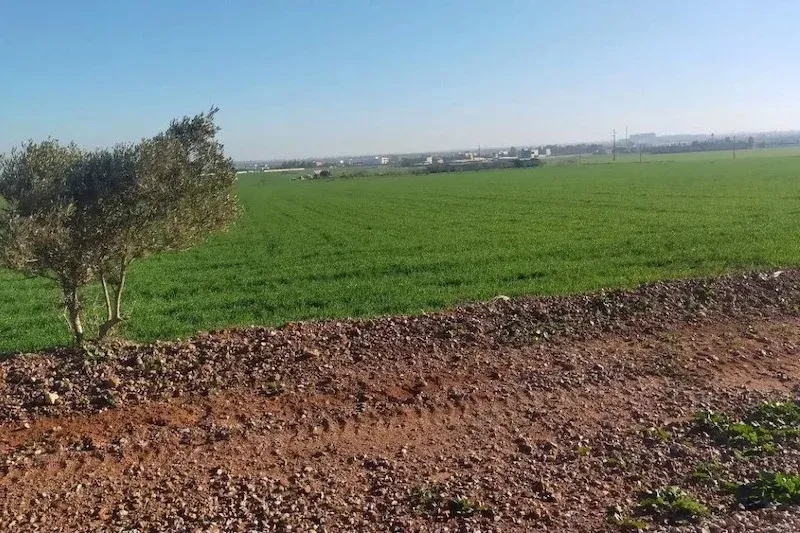
A recent scientific study published in the Journal of Soils and Sediments has highlighted a widespread presence of microplastic particles and potentially toxic elements in the agricultural soils of Tamensourt, located on the outskirts of Marrakech. The research aimed to evaluate the occurrence, characteristics, and environmental impacts stemming from the combined pollution of microplastics and toxic elements. A particular focus was directed towards agricultural lands and urban fringe areas of Tamensourt, which are characterized by increased concerns regarding the accumulation of these pollutants in semi-arid environments, exacerbated by practices such as the reuse of wastewater and intensive agricultural activities.
The data collected from this study indicates that the continuous accumulation of these pollutants poses long-term environmental risks to the soil ecosystem. This accumulation is primarily attributed to the widespread use of plastic in agricultural practices and the repetitive irrigation of lands with wastewater. The significance of these findings is amplified by the semi-arid climatic conditions of the region, which complicate environmental interactions and heighten the risks associated with these pollutants.
Urgent Need for Reevaluation of Agricultural Practices
The research underlines that the phenomenon of synergistic pollution, where microplastics interact with toxic metals, represents a new environmental challenge that necessitates a reconsideration of agricultural and environmental management strategies in the semi-arid zones. These findings advocate for the monitoring of pollution sources and the mitigation of chemical and plastic compounds infiltrating natural ecosystems.
Furthermore, the scientific results revealed the presence of plastic particles in all analyzed soil samples, with concentrations ranging from 0 to 220 particles per kilogram of dry soil. The surface layers exhibited a significantly higher average of 64 particles per kilogram compared to the subsurface layers. Laboratory analyses of the microplastic samples indicated a dominance of fragmented forms, with infrared spectroscopy revealing that the primary polymers identified were predominantly polyethylene and polypropylene. Regarding potentially toxic elements, the results showed a moderate enrichment in the soil, particularly elevated levels of zinc and copper.
The research team collected field data through the sampling of 30 soil specimens representing various land use types and irrigation practices. These samples were distributed across three main sites and included two different depths to ascertain the extent and penetration of pollutants within the soil. Stringent methodologies were implemented to ensure accurate measurements of pollutant concentrations and characteristics across varying levels.
As reported by hespress.com.