
Spaniards Perceive Morocco as a Significant Threat
A recent survey conducted by POLITICO has unveiled alarming sentiments among the Spanish populace regarding Morocco, with approximately three out of four respondents asserting that Morocco poses a tangible threat to Spain's territorial integrity. This perception comes in the wake of a substantial influx of over 70,000 migrants into the Spanish enclave of Ceuta at the end of July, which has heightened fears of potential armed conflict over the autonomous cities of Ceuta and Melilla in the upcoming decade. The sudden migration surge has sparked widespread criticism of Prime Minister Pedro Sánchez's handling of border control, drawing attention to Spain's isolation in the current European context, particularly as the EU embraces stricter migration policies.
According to the POLITICO Poll, conducted by the independent firm PF Global in September, 58% of Spaniards believe that escalating tensions regarding Ceuta and Melilla could likely lead to armed conflict with Morocco within the next ten years. The survey highlights a generational divide in these perceptions, with 75% of younger respondents aged 18-24 expressing alarm about the possibility of conflict, compared to only 47% of those aged 65 and older. This growing anxiety is particularly pronounced among conservative voters, with 68% of supporters of Alberto Núñez Feijóo's Popular Party and 75.7% of Vox party supporters fearing military confrontation.
Migration Crisis Intensifies Diplomatic Strains
The recent migration crisis has also cast doubt on Morocco's role in the sudden influx, despite Sánchez's insistence that the Moroccan government had no prior knowledge of the mass movement of migrants. A police report suggested that Moroccan agents may have facilitated this migration, further complicating diplomatic relations. While Sánchez initially labeled the migration as an aggression against Spain's territorial integrity, he later softened his stance, attributing the crisis to "migrant mafias" instead of Moroccan involvement. Nonetheless, a significant 75% of Spaniards continue to view Morocco as a real threat to Spain's territorial integrity, a sentiment echoed across various demographics, including 90% of Vox supporters and 85% of Popular Party supporters.
Furthermore, while 68% of those surveyed believe that Spain will maintain sovereignty over Ceuta and Melilla, a concerning 17% foresee that one or both cities may eventually fall under Moroccan control within the next 20 years. This apprehension regarding national security is underscored by the fact that 80% of respondents categorize Morocco as a moderate to significant risk to Spain's national security, far exceeding concerns regarding other nations such as Russia, the United States, or China.
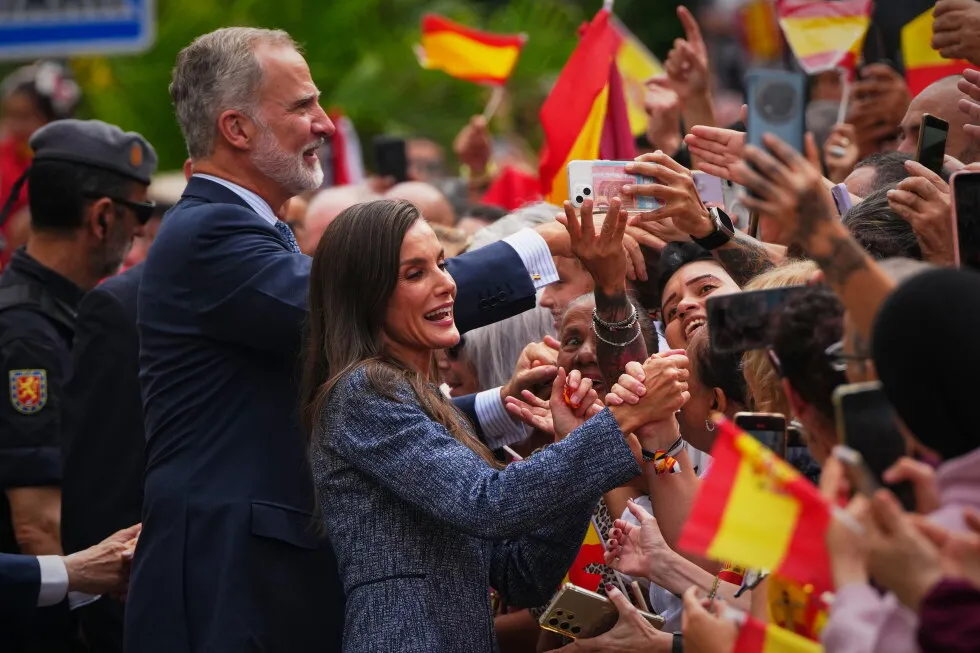
As the European Union deliberates emergency measures to manage mass migrations potentially used as political leverage, the situation remains precarious for Madrid, particularly with King Felipe VI's upcoming visit to Ceuta and Melilla—the first royal visit in nearly two decades. Observers are closely monitoring this visit, as it may further strain diplomatic ties with Rabat, especially given the symbolic gestures associated with the tour, including a visit to the Sidi Embarek Muslim cemetery, where many who perished attempting to cross the border are buried. Critics of the government are poised to scrutinize the King’s address, especially in light of recent comments by Defense Minister Margarita Robles asserting that Ceuta and Melilla are "undeniably Spanish." Surprisingly, Morocco has yet to publicly respond to the royal visit, leading to speculation among diplomats about the implications for bilateral relations.
As reported by politico.eu.