
Moroccan Naval Activities in Ceuta Spark Diplomatic Strain
The presence of the Moroccan Navy in the waters surrounding the contested city of Ceuta has provoked significant frustration within Spain, according to a recent report from El País. This situation escalated when Moroccan naval vessels were observed operating in areas claimed by Spain, coinciding with a surge of migrant crossings into the enclave during the summer months. Reports indicate that over 70,000 migrants entered Ceuta in July, prompted by misinformation circulating on social media suggesting that the border with Spain was open for passage.
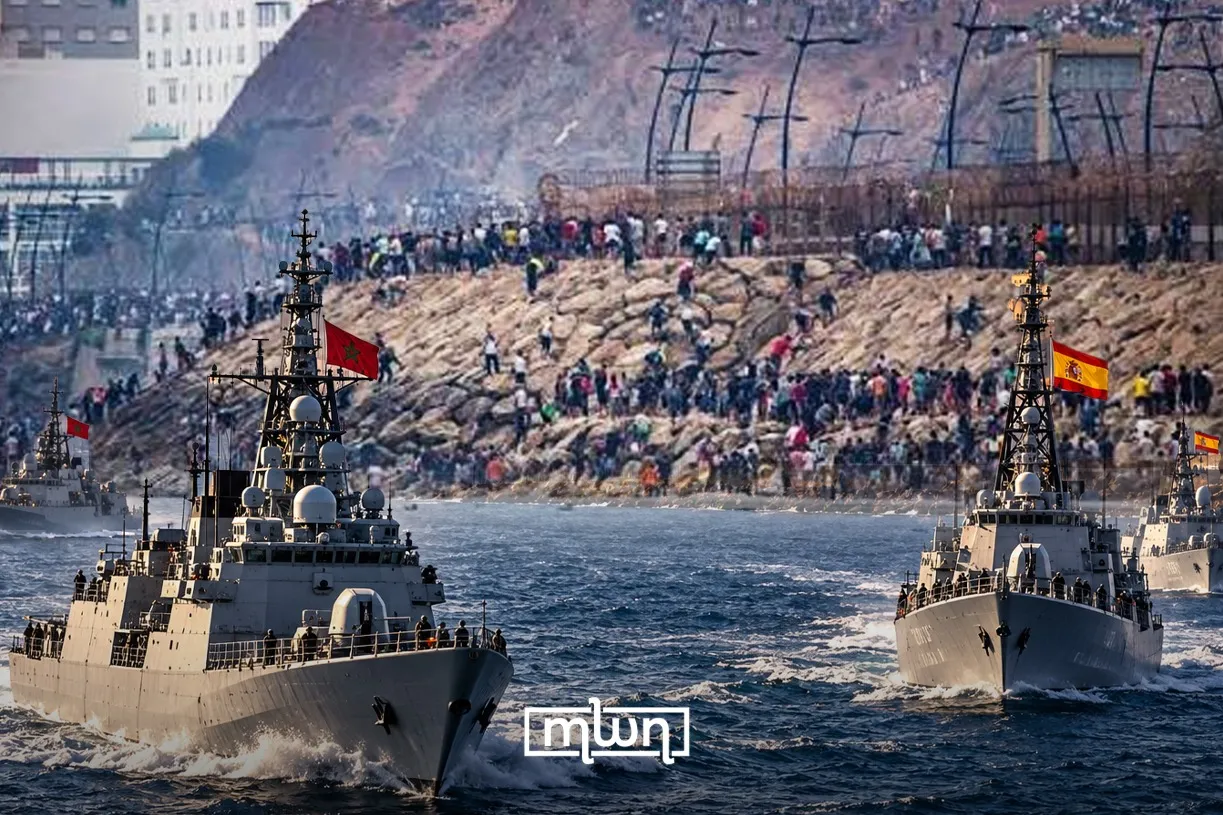
The report highlights that the Spanish military responded to these developments by deploying its own naval forces to the region. Sources cited in El País revealed that at least one frigate and multiple patrol boats from the Royal Moroccan Navy were seen navigating through waters recognized as Spanish territory without proper authorization. This incursion has been characterized by some officials as a deliberate violation of Spain's territorial rights, marking a rare and concerning precedent in bilateral maritime interactions.
Political Repercussions and Calls for Sovereignty
The ongoing naval presence of Morocco has led to increased tensions between the two nations, almost resulting in dangerous encounters between military vessels from both sides. El País termed this naval activity as an 'invasion,' raising alarms over the potential for further diplomatic fallout. Amid these tensions, Moroccan officials have intensified their calls for renewed discussions regarding Morocco's claims over Ceuta and Melilla, reflecting a broader sentiment among the Moroccan populace regarding territorial sovereignty.
Frustration has also been palpable within Spain, particularly among political figures who have been vocal about their concerns over territorial integrity in light of the migrant crisis. The situation has been exacerbated by accusations of a smear campaign against Morocco, with some Spanish politicians suggesting that the country is utilizing migration as a form of hybrid warfare. This complex backdrop has resulted in a heated public debate about Spain's stance and its obligations towards migration management, especially as expectations rise for a visit from King Felipe VI to Ceuta in the near future.
In a recent opinion piece, Moroccan political analyst Samir Bennis criticized the current Spanish monarch's handling of the crisis, contrasting it sharply with the more discreet approach taken by former King Juan Carlos I during the 2005 migration surge. Bennis emphasized that while Juan Carlos engaged in direct diplomatic communication with King Mohammed VI, Felipe VI's public declarations could inadvertently align the monarchy with nationalist rhetoric, potentially complicating Spain's relations with Morocco.
In a clear message addressing Spain's political landscape, King Mohammed VI reaffirmed Morocco's sovereign right to manage its migration policies. Speaking at the opening of the parliamentary year, he responded to what he termed 'irresponsible statements' from certain political factions and media outlets that sought to exploit the situation for political gain. The King emphasized that Morocco's partnership with Spain in migration control is a voluntary commitment that will not be subject to external pressures or coercion. He also acknowledged the positive outcomes of cooperation with Spain while asserting that the current model needs reevaluation to address its limitations effectively.
As reported by moroccoworldnews.com.