A recent news report has shed light on the escalating tensions between Morocco and Spain as they prepare to co-host the 2030 FIFA World Cup alongside Portugal. The Spanish newspaper 'AS' has delved into Morocco's situation, pointing out several crises the nation faces while preparing for the prestigious tournament. However, the report has been criticized for lacking substantial evidence to support its claims and for potentially reflecting a biased perspective towards Spain.
The last encounter on the pitch between the two nations occurred during the World Cup in Qatar, where Spain faced an unexpected exit in the round of 16 following a dramatic penalty shootout. In the aftermath, the relationship between the Spanish and Moroccan football federations has remained officially cordial. Nevertheless, looming tensions and a power struggle appear to be on the horizon, exacerbated by recent anti-Muslim incidents in Cornellà.
Morocco successfully hosted the Africa Cup of Nations earlier this year, which served as a litmus test for its readiness to host the World Cup. The nation showcased its modern and spacious stadiums, yet criticisms arose regarding the organization of the event, particularly concerning the treatment of competing teams and the provision of training facilities. Such criticisms raised concerns about potential competitive advantages being sought by the Moroccan side.
Despite these challenges, the Moroccan Football Federation is resolute in its ambition to host the World Cup final at the Hassan II Stadium in Casablanca, which is currently under construction. Additionally, one semi-final is slated to take place at the Moulay Abdellah Stadium in Rabat, which has previously hosted the Africa Cup of Nations final. Although the complete list of venues has yet to be finalized, current plans indicate that Morocco will host matches at six stadiums, while Spain is expected to manage eleven venues, and Portugal will feature just three.
Morocco’s preparations for the World Cup also extend to recruiting players of Moroccan descent who were born abroad, aiming to strengthen its national team. Notable players like Achraf Hakimi and Brahim Díaz have already made significant contributions to the team. There are even emerging prospects such as Thiago Bitar, a promising 18-year-old from Real Madrid, who has garnered attention from the Moroccan Football Federation. However, it seems that Bitar has his sights set on representing Spain.
This North African nation understands the potential of its diaspora throughout Europe to enhance its football capabilities. For instance, midfielder Ismail Saibari was born in Spain but has chosen to represent Morocco, while Ilyas Akhomach, another player with Spanish youth experience, opted to represent his ancestral homeland in 2023. Recently, the Moroccan Football Federation has announced the integration of six naturalized players into the national team, all under the age of 20 and hailing from Belgium and the Netherlands, including rising star Ryan Bonida.
The Confederation of African Football (CAF), led by South African billionaire Patrice Motsepe, maintains a strong connection with FIFA, which could play a crucial role in Morocco's aspirations. Motsepe serves as the vice-president of FIFA under Gianni Infantino, and with CAF comprising 54 member associations, its voting power is significant.
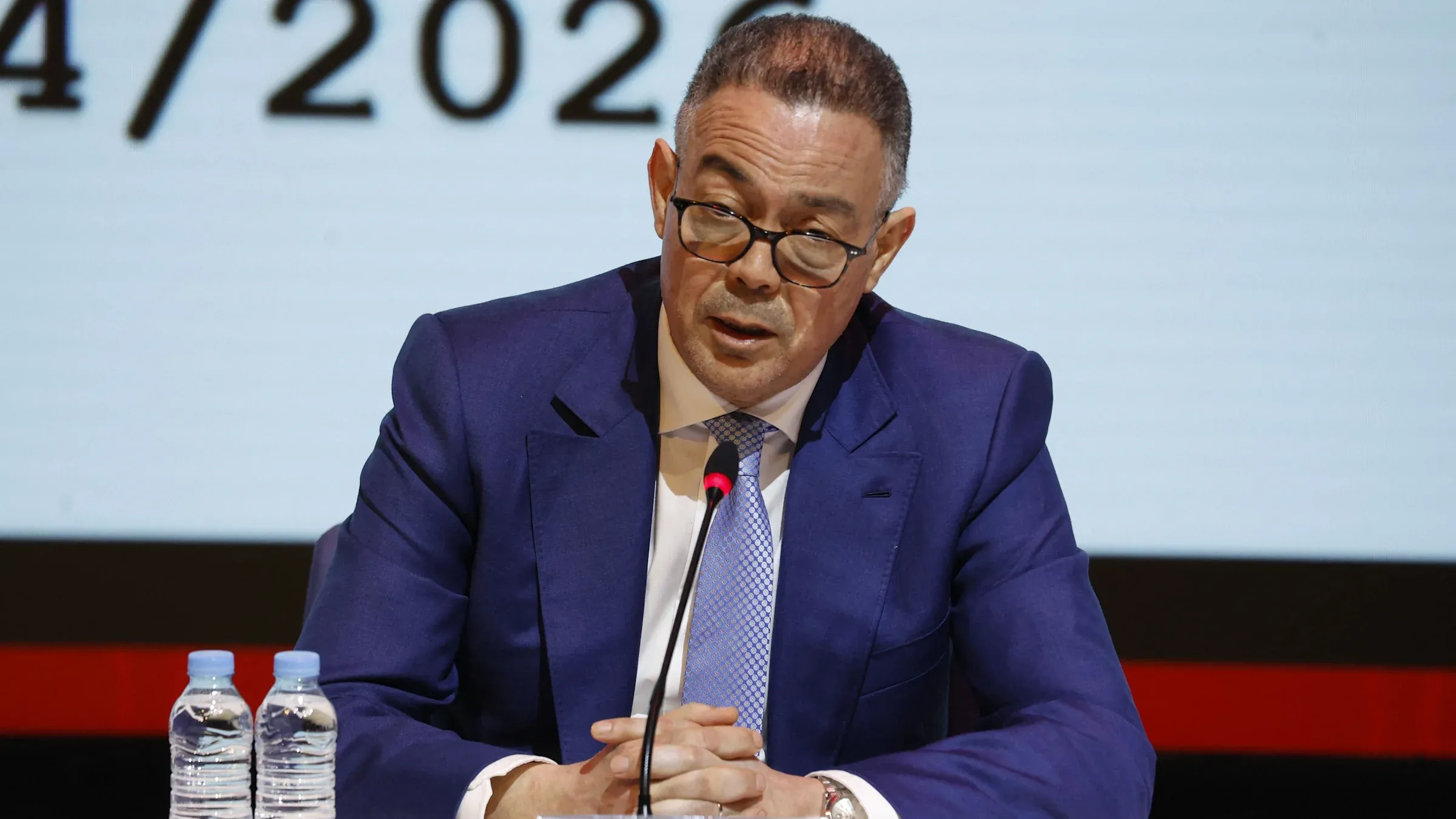
Meanwhile, Fawzi Lekjaâ, the president of the Moroccan Football Federation, holds the position of first vice-president of CAF and is a member of the FIFA Council, further solidifying Morocco's influence within these critical organizations.
Infantino emphasized the importance of unity within African football, highlighting that a cohesive approach could significantly impact FIFA's decisions. This influential network is Morocco’s vital asset in pursuing its goals, especially in its aim to host the final of the 2030 Africa Cup of Nations. Recent events have showcased Morocco's growing influence, exemplified by its unexpected victory in the Africa Cup of Nations, which was announced several months after Senegal's triumph.
Morocco's ambitions do not stop at the World Cup; it is also keen on hosting the 2029 tournament independently, following the successful organization of the recent Club World Cup. While FIFA has yet to finalize its decisions, Morocco is determined to demonstrate its capability to host such significant events, despite facing fierce competition from other nations.
As reported by au.sports.yahoo.com.