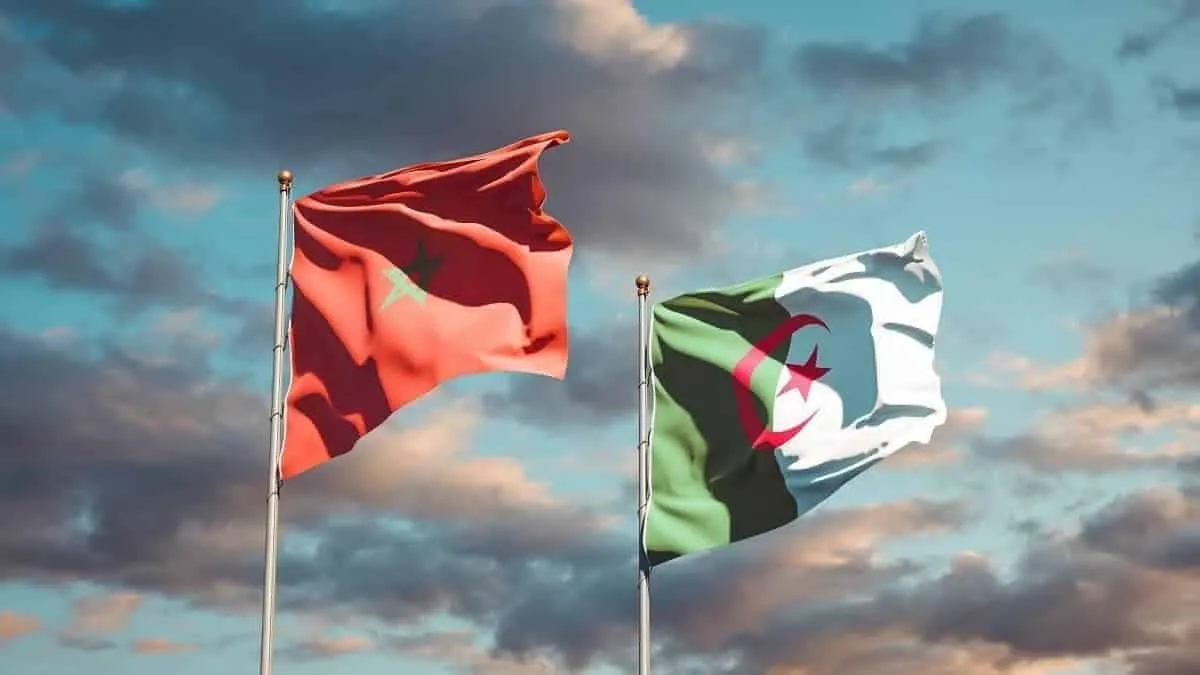

Morocco's Provocation at UNESCO Highlights Ongoing Tensions with Algeria
On May 20, a serious incident unfolded at the UNESCO headquarters in Paris, where representatives from Morocco allegedly stormed the Algerian pavilion and physically assaulted those present. This aggression is seen as part of a recurring pattern in which Moroccan officials resort to a well-worn tactic: portraying themselves as the victims while simultaneously committing acts of hostility against Algeria. This tactic has become all too familiar and is increasingly failing to deceive observers.
In light of the outrage and support for Algeria that followed the incident, the Moroccan delegation at UNESCO issued a statement not to apologize or deny the aggression but rather to assert the opposite of what actually transpired. The Moroccan representatives displayed a remarkable lack of originality, simply mirroring previous statements made by the Algerian embassy in France and the Algerian Ministry of Culture, albeit with the roles reversed. They accused the Algerians of assaulting the Moroccan pavilion, echoing claims from earlier Algerian communications.
The Algerian Ministry of Culture condemned these desperate attempts to undermine Algeria's cultural presence, emphasizing that such actions reflect a deep-seated frustration stemming from Algeria's ongoing successes in securing recognition for its tangible and intangible heritage. The most recent achievement being the official approval of the file related to traditional clothing from Eastern Algeria, including the caftan.
Morocco's Actions Reflect a Desperate Rage
The Moroccan outbursts are indicative of a futile strategy that only serves to tarnish their own image further. The aggression directed toward Algerians during the event known as “African Week” was captured on numerous cameras and smartphones, including those of neutral observers who are not affiliated with either nation. These incidents only serve to exacerbate Morocco's already tarnished reputation, which has been marred by similar provocations in the past.
Just weeks prior, on May 1, the Algerian pavilion at the Paris Fair faced a disruption attempt by two Moroccan individuals. Such provocations have become commonplace wherever Algeria seeks to showcase its rich cultural heritage to the world. Earlier, in February 2024, Moroccan nationals clashed at the Galeries Lafayette in Paris, protesting the presentation of 'Sellou,' a dish commonly enjoyed across the Maghreb, showcased by Algerian chef Sharezade Laoudedj. This led to the radical decision by Galeries Lafayette to shut down the 'Oriental Village' section altogether.
Morocco has consistently disputed various aspects of Algeria's cultural heritage, including raï music, zellige ceramics, the caftan, and Kabylie silver jewelry, among others. Yet, each time these disputes arise, Algeria emerges victorious, securing UNESCO recognition for its cultural elements one by one. These achievements only fuel Morocco's frustration, which is expressed through violence, insults, and deceit as they grapple with their inability to counter Algeria's cultural claims.
As reported by tsa-algerie.com.