
Accusations Against Morocco Amid Migration Surge
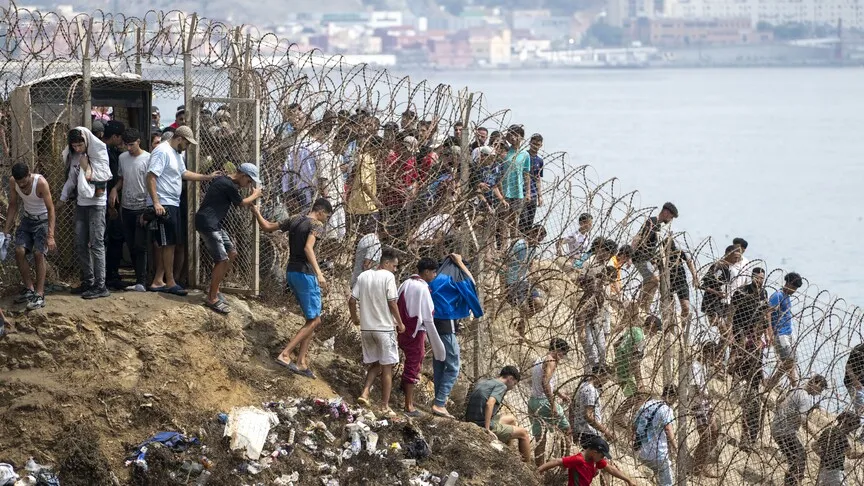
Gil Arias, the former deputy executive director of the EU border agency Frontex, has leveled serious allegations against Morocco, claiming that the North African nation actively encouraged thousands of migrants to cross into the Spanish enclave of Ceuta. In an interview with the Associated Press, Arias stated, "This is not simply a result of Morocco's passive stance or inaction. There was an invitation or encouragement involved, and I have no doubt about it." His comments come in the wake of a significant increase in migrant crossings, which has raised alarms throughout Europe.
In response, a senior Moroccan diplomat attributed the current crisis to a ruling made by Spain's Supreme Court in early July. This ruling determined that migrants arriving in Ceuta by sea cannot be sent back without undergoing formal procedures, contrasting sharply with those who cross over the border fence. The diplomat emphasized that this judicial decision sent a clear message to migrants: "If you arrive, you will be protected." He further asserted that the authorities in Ceuta should have anticipated the ramifications of such a ruling, stating, "The idea that Morocco should forcibly prevent migrants from leaving is a fundamental misunderstanding of the migration phenomenon. We are not Europe's police," he stated emphatically.
Humanitarian Concerns and Political Fallout
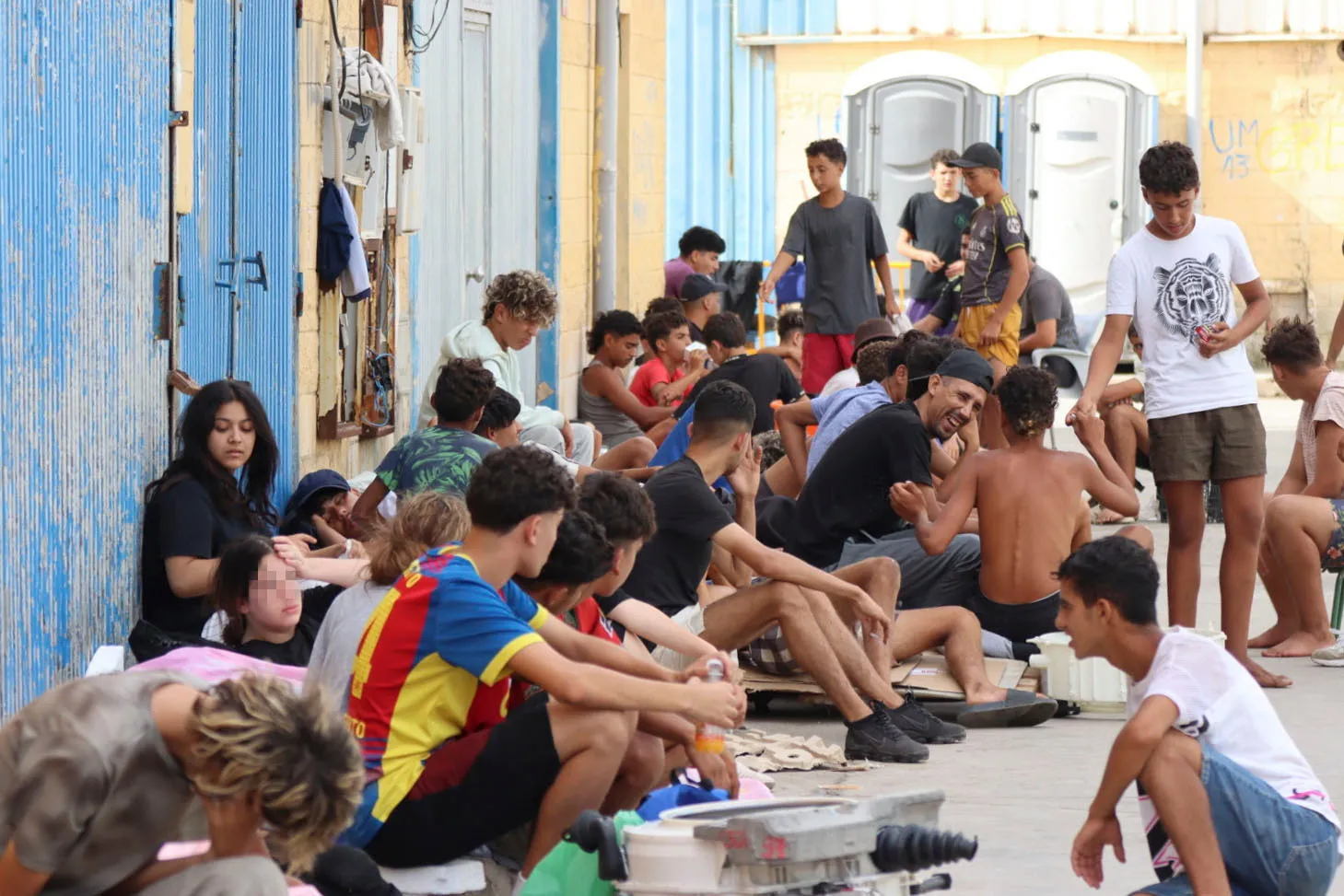
Last week, tens of thousands of migrants made the perilous journey from Morocco to Ceuta in a matter of hours, resulting in reports of over 80 fatalities, according to Spanish and Moroccan authorities. However, it was noted that most of those who arrived quickly returned to Morocco. In an open letter, 22 EU heads of state and government referred to the Supreme Court's decision as the catalyst for an assault on the European migration and asylum system. In contrast, Spain's Prime Minister Pedro Sánchez argued that the ruling was being misinterpreted by smugglers. Activists in Morocco pointed out that many migrants were unaware of such legal decisions, highlighting the complexity of the situation and the desperate circumstances faced by those seeking a better life.
As reported by tagesanzeiger.ch.