
The ongoing controversy regarding the recent surge of migrants into Spain's North African exclave of Ceuta is now casting a shadow over the preparations for the 2030 FIFA World Cup, which is set to be jointly hosted by Spain, Portugal, and Morocco. On Thursday, Ceuta's President, Juan Jesús Vivas, addressed the EU Parliamentary Committee, providing his perspective on why up to 80,000 primarily Moroccan migrants managed to cross the EU's external border just a week ago, stating, "Morocco is not a reliable partner." This sentiment, fueled by television footage depicting a passive Moroccan border police force, has led to an unprecedented situation in the Spanish Parliament. Both the far-right Vox party and the far-left Sumar party submitted proposals urging the Sports Committee to request FIFA to exclude Morocco from hosting the World Cup, a rare instance of agreement between two parties that typically stand on opposite sides of the political spectrum.
Intensified Criticism of Morocco by Spain
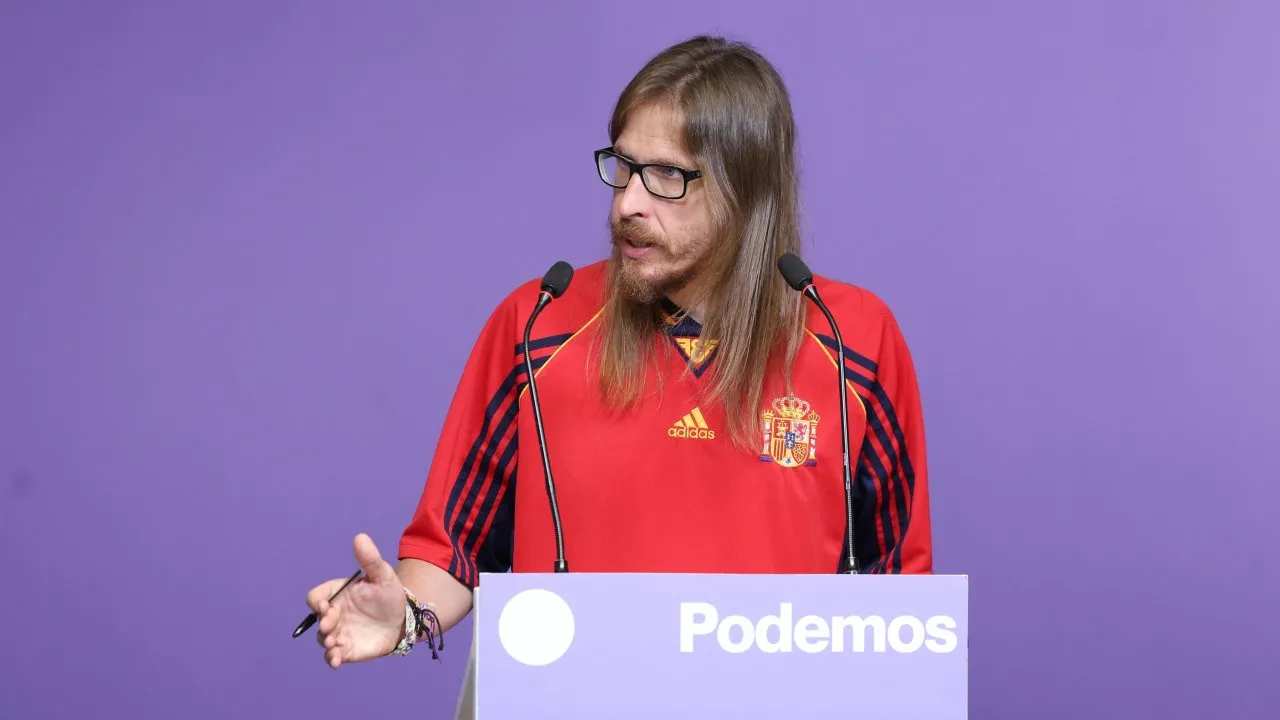
Spain's joint bid for the 2030 World Cup, initiated with Portugal in 2021 and later including Morocco in 2023, aimed to enhance the chances of the first European-African World Cup, which was ultimately awarded by FIFA. However, the Vox party's leader, Santiago Abascal, raised serious concerns about the feasibility of co-hosting a World Cup with a nation that allowed an "attack on our national sovereignty." He argued that as long as substantial doubts persist regarding the political exploitation of human lives, Morocco should not be permitted to benefit from the prestige, economic advantages, and international legitimacy associated with the World Cup. Additionally, Pablo Fernández, spokesperson for the leftist Podemos party, voiced similar concerns, stating, "Spain should not host the World Cup with a dictatorship like Morocco, which violates human rights and is responsible for the deaths of over 140 people during an attack on Spain." This rising tension within Spain reflects the heightened sensitivities surrounding the issue.
The Spanish ruling Socialists have yet to make a formal statement on the matter, likely to avoid exacerbating diplomatic tensions with Rabat. However, the atmosphere in Spain is fraught with anxiety, especially following a recent report from the British newspaper "Times," which suggested that FIFA's troubled president, Gianni Infantino, allegedly promised Morocco the hosting of the World Cup final in exchange for support in his reelection campaign set for March 2027. FIFA has vehemently denied these claims, with a spokesperson clarifying that it is "incorrect and misleading" to assert that the FIFA president made any commitments regarding the final's location for 2030. Decisions regarding the World Cup will be made at the appropriate time.
In light of these developments, Spain's Sports Minister Milagros Tolón has also weighed in, stating diplomatically yet firmly, "We will continue working towards having the World Cup final in Spain," during an interview with Cadena Ser. As the reigning FIFA World Champions, both in men's and women's football, Spain possesses significant sporting clout. Moreover, the nation boasts extensive experience in organizing major sporting events, providing modern infrastructure and a secure environment. Potential venues for the final include the iconic Bernabéu Stadium of Real Madrid or the illustrious Camp Nou of FC Barcelona.
Meanwhile, Morocco is proactively positioning itself to host the 2030 World Cup final, with King Mohammed VI overseeing the construction of the world’s largest football stadium in Casablanca, named after his father, Hassan II, with a capacity of 115,000 seats. On the same day, FIFA held a crisis meeting in Rabat, prompted by mounting pressure on Infantino regarding his FIFA investment plans and an emerging power struggle with UEFA. The outcome of this meeting was a unified front of support for the president.
The choice of Rabat for this critical gathering is likely no coincidence, as Infantino has found a significant ally in Morocco. While European stakeholders have distanced themselves from the Swiss president, the 54 African football associations remain firmly behind him. A key figure in this dynamic is Fouzi Lekjaa, the influential president of the Moroccan Football Federation, who has maintained a close friendship with Infantino for years. Lekjaa, who holds positions on the FIFA Council, is vice-president of the African continental confederation CAF, and chairs the CAF Finance Committee, has direct access to both the government and the royal palace as Morocco's budget minister. His presence at critical discussions concerning tournaments, finances, and strategic decisions within African football makes him a pivotal player in Infantino's reelection campaign slated for March.
As reported by laola1.at.