
Thailand's Visa Policy Overhaul: What It Means for Moroccan Travelers
A significant transformation in Thailand’s immigration framework is poised to reshape travel plans for countless international visitors, notably citizens of Morocco. In response to a period of extended visa-free access intended to bolster tourism and aid economic recovery, the Thai government has opted to revise its entry policies by discontinuing the extensive 60-day visa-free program that was previously available to various countries. This decision marks one of the most pivotal developments in Thailand’s visa policy changes for 2026 and signifies a shift towards stricter immigration oversight and improved border management.
While the prior policy had been embraced by many travelers and tourism operators, concerns surrounding security, immigration compliance, and criminal activities have spurred authorities to implement a more regulated system. Consequently, the arrangements for visa-free entry for Moroccan citizens, which had been accessible since June 2024, are anticipated to undergo significant modifications, introducing new prerequisites for those wishing to visit this renowned Southeast Asian destination.
The Implications of Updated Entry Policies
Thailand has long stood as a premier destination for tourists worldwide, drawing millions each year with its stunning beaches, rich cultural sites, delectable cuisine, and exceptional hospitality. Following the disruptions caused by the COVID-19 pandemic, the government initiated several measures to rejuvenate the tourism sector, among which was the expansion of visa-free travel privileges for numerous nations, including Morocco. Starting in June 2024, Moroccan citizens were allowed to enter Thailand without prior visa arrangements and could stay for up to 60 days under the visa exemption program, aimed at stimulating tourism and economic recovery within sectors reliant on international visitors.
However, the Thai authorities have now recognized the need for adjustments to tackle the challenges associated with prolonged visa-free stays. The decision to abolish the blanket 60-day exemption has been significantly influenced by national security concerns and the need for stringent immigration enforcement. Reports have emerged indicating that longer visa-free durations have been misused for activities inconsistent with legitimate tourism, including illegal employment, visa overstays, and the exploitation of tourist entry privileges. Additionally, there are rising concerns about human trafficking and drug-related crimes that may exploit lenient entry systems.
As part of a comprehensive approach to bolster border security, Thai immigration authorities are aiming to enhance monitoring and ensure that genuine travelers retain access to the country. The reform will see countries categorized based on bilateral agreements, risk assessments, and immigration management criteria, rather than automatically granting a uniform 60-day visa-free entry privilege. Under the new framework, certain nations will maintain visa-free travel, albeit with reduced stay durations, while others may be limited to even shorter stays.
The implications of these policy changes are particularly pronounced for Moroccan travelers, as Morocco has reportedly not been included in the newly established visa-free or visa-on-arrival categories. This development suggests that Moroccan visitors will likely face more stringent entry requirements, necessitating the acquisition of a visa prior to their journey. Although the final details of implementation may still be subject to change, travelers are urged to verify official requirements before finalizing travel plans.
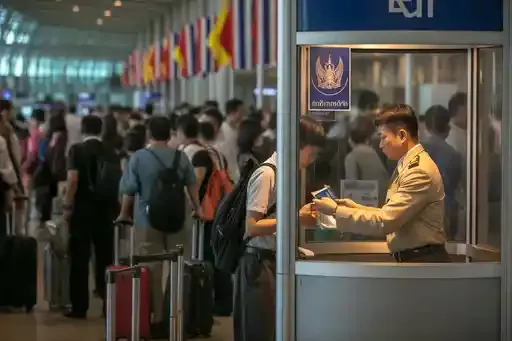
In conjunction with the revised visa policies, enhanced enforcement measures are set to be rolled out at airports and border crossings across Thailand. Immigration officers are expected to conduct thorough inspections of travel documents and visitor eligibility, with updated procedures necessitating that travelers provide evidence supporting the purpose and duration of their stay. Documentation requirements may include proof of sufficient financial means, accommodation confirmations, return or onward travel tickets, and valid travel documents, all aimed at ensuring compliance with immigration laws and minimizing unauthorized activities.
As border controls tighten, visitors are increasingly advised to prepare comprehensive travel documentation ahead of their arrival in Thailand. Evidence of sufficient funds may be requested to demonstrate the capacity to cover expenses during the stay, alongside accommodation details to verify travel plans and intended destinations. Furthermore, return tickets or onward travel arrangements will serve as proof that visitors plan to exit the country before the expiration of their authorized stay.
The Moroccan embassy in Bangkok has already alerted travelers to the evolving regulatory landscape and has encouraged citizens to ensure compliance with all entry requirements. Travelers must carefully review visa obligations, maintain complete travel documentation, and anticipate increased inspections upon arrival, highlighting the significance of proactive travel planning amid changing immigration policies. These updates are particularly relevant for those who previously relied on visa-free access and are now navigating a more complex regulatory environment.
Thailand’s tourism sector remains a cornerstone of the national economy, significantly contributing to job creation, business activity, and foreign exchange earnings. Policymakers are simultaneously striving to address the challenges associated with accelerated international mobility and evolving security concerns. The revised visa framework reflects an effort to balance the country's allure as a global tourism destination with the necessity for enhanced immigration oversight. While these changes may introduce additional administrative requirements for some visitors, the underlying goal is not to deter tourism but rather to ensure that entry systems function more effectively and securely.
The termination of the 60-day visa-free entry program signifies a critical juncture in Thailand’s immigration and tourism policies. For Moroccan travelers and many other international visitors, travel planning is set to become increasingly dependent on visa classifications, documentation requirements, and compliance procedures. As the implementation of these changes progresses, travelers will need to remain vigilant to official announcements and updated entry conditions, reflecting Thailand's commitment to safeguarding national interests while maintaining its status as one of the world's most accessible travel destinations. With stricter enforcement, revised visa categories, and heightened border controls now emerging, a new era of international travel to Thailand is dawning, presenting both opportunities and responsibilities for visitors worldwide.
As reported by travelandtourworld.com.