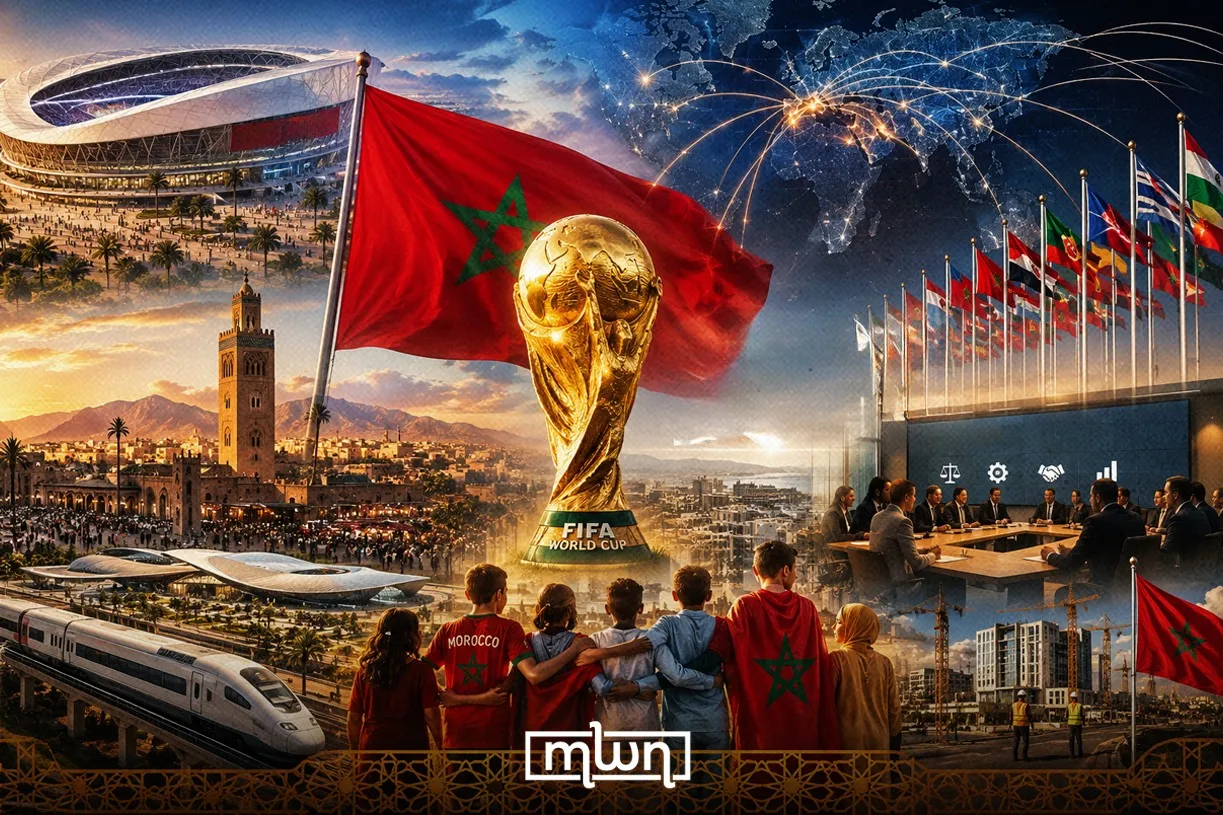

The 2030 FIFA World Cup is more than just a significant sporting event for Morocco; it symbolizes a pivotal moment for the nation to catalyze profound changes across various sectors. With Morocco, Spain, and Portugal designated as hosts, this opportunity presents a unique chance for the Kingdom to advance infrastructure development, enhance human capital, attract investments, and fortify its international standing. Rather than viewing the tournament merely as a competitive sporting occasion, it should be seen as a potential driver for a transformative phase in Moroccan national development.
Transformative Goals Beyond the Tournament
The term "World Cup Government" represents a political and analytical approach rather than a formal constitutional category. It describes the administration responsible for orchestrating the critical preparations from 2026 to 2030. While Morocco's parliamentary elections are set for September 23, 2026, the future political landscape remains uncertain. The essence of the argument lies in understanding that Morocco's triumph in 2030 should not solely be evaluated based on the quality of stadiums or the organization of the tournament; instead, the lasting legacy post-event should be the focus. This includes improved infrastructure, job creation, enhanced human capital, competitive Moroccan enterprises, better-integrated territories, sustainable water and energy practices, and increased public trust. As emphasized in the foundational document, the essential inquiry revolves around whether the investments made for the World Cup will continue to be beneficial to Morocco long after the final whistle.
FIFA's hosting prerequisites extend beyond merely constructing stadiums; they encompass a comprehensive array of elements such as transportation networks, accommodations, training facilities, security measures, telecommunications, public services, and governmental guarantees. Consequently, Morocco faces the imperative task of modernizing swiftly while ensuring that the infrastructure developed for the tournament remains economically and socially advantageous in the long run. Legacy should be the guiding principle for investment decisions, with transport infrastructure enhancing daily mobility, airports and railways serving citizens, digital infrastructure boosting productivity, and stadiums having viable post-2030 functionalities. Priority should be accorded to projects that mitigate territorial disparities, bolster the productive economy, support Moroccan SMEs, and feature credible maintenance and operational models.
Governance Challenges and Financial Strategies
The challenge of governance will be pivotal. The successful execution of the World Cup hinges on collaboration among various ministries, including those responsible for Interior, Finance, Transport, Tourism, Energy, Water, Health, Education, Justice, and Foreign Affairs, alongside local authorities, public enterprises, private companies, and the Royal Moroccan Football Federation (FRMF). Several risks have been identified, including inter-ministerial competition, overlapping roles, excessive committees lacking accountability, opacity in public procurement, and over-centralization. Hence, the future government must establish a governance framework founded on principles of clear responsibilities, transparent timelines, measurable performance indicators, and independent oversight. The fundamental question must always be about accountability: who decides, who implements, who monitors, and who reports?
Financial considerations are equally significant. Morocco must navigate the financing of essential infrastructure while ensuring fiscal sustainability and addressing ongoing challenges such as education, healthcare, purchasing power, and employment. The pressing question revolves around the distribution of costs and benefits post-2030. While public investment can stimulate economic growth, the quality and sustainability of such investments are crucial. The government must discern between projects necessitated by the tournament, those justified by national needs, low-return investments, and temporary costs that could evolve into permanent burdens. Transparency in public procurement will be paramount, with major contracts requiring clear criteria, appropriate oversight, and measurable outcomes. Additionally, World Cup expenditures should enhance Moroccan SMEs, augmenting their technological and managerial capabilities and integrating them into international value chains.
Ultimately, the World Cup should not be perceived as a project intended solely for foreign visitors, but as a mechanism for improving the lives of Moroccan citizens. Employment opportunities across various sectors, including construction, transport, tourism, and digital services, should be a primary indicator of the World Cup’s success, and a comprehensive national “Skills 2030” strategy linking vocational training with emerging job markets is essential to prepare the youth for future vocations. This strategy should align with Morocco’s broader goals of fostering structural reforms, attracting private investment, and generating millions of jobs.
Moreover, the event presents a unique opportunity to address significant structural challenges, such as water scarcity and energy sustainability. The government should leverage the tournament as a platform for advancing water efficiency and climate resilience, ensuring that the infrastructure developed serves both immediate and long-term needs. In doing so, Morocco can position itself as a leader in sustainable practices while simultaneously enhancing its international reputation.
The 2030 World Cup holds immense potential to transcend its role as a mere sporting event and transform into a catalyst for national development. The upcoming elections in September 2026 will shape the political framework responsible for this critical phase. The ultimate challenge will be to harmonize international aspirations with social equity, modernization with inclusivity, and economic growth with sustainability. The legacy of the World Cup will not be determined merely by the event itself, but by the enduring changes it sparks within Moroccan society, economy, and territory long after the world has departed.
As reported by moroccoworldnews.com.