
Examining the Contenders for the 2030 World Cup Final
With assertive declarations echoing across Spain, it appears that many have already envisioned the 2030 World Cup final taking place at the iconic Santiago Bernabéu Stadium. The Spanish Football Federation maintains that the final should rightfully belong to Spain, while various media outlets are positioning Madrid as the frontrunner. However, it is crucial to note that the FIFA has firmly stated otherwise.
To objectively analyze this situation, it is important to set aside nationalistic fervor, particularly intensified by the recent crisis in Sebta, and instead apply a more pragmatic lens aligned with FIFA's strict requirements. This shift in perspective brings forth an intriguing possibility: the Grand Stade Hassan II in Casablanca. While FIFA has denied claims that its president "offered" the final to Morocco in exchange for support, it is evident that when considering the immense demands of hosting such a monumental event, the Hassan II stadium possesses several advantages that the Spanish contender may not necessarily offer.
The challenges surrounding the Bernabéu are not rooted in football alone. Although the stadium is steeped in history and boasts a remarkable capacity and facilities that elevate it to the status of a footballing temple, hosting a final encompasses much more than these attributes. FIFA's stipulations extend far beyond the physical confines of the venue. It emphasizes the necessity for a substantial perimeter surrounding the stadium, complete with multiple security zones and a "last mile" transport plan to facilitate the movement of spectators and ensure safety protocols are meticulously followed. This is where Madrid's geographical constraints pose significant challenges.
Logistical Challenges and Economic Considerations
Situated in a densely populated urban area, the Bernabéu is surrounded by an intricate web of streets, buildings, businesses, and heavy traffic. Organizing a final in such an environment is certainly feasible, yet it demands exceptional planning and significant temporary adjustments. The more congested the urban landscape, the more complex the logistics become—a reality that Casablanca has become increasingly familiar with.
Beyond sporting considerations, the economic implications of the World Cup cannot be overlooked. FIFA does not merely sell tickets; it markets an international showcase. Its commercial partners expect visibility around the stadium, advertising opportunities, hospitality rights, and protection against ambush marketing. FIFA itself describes the World Cup as an enormous international marketing platform, highlighting that the spaces surrounding a stadium are not simply empty areas but dynamic event hubs. This is precisely why a stadium designed from the ground up with World Cup considerations in mind holds a significant advantage.
The Grand Stade Hassan II transforms the narrative entirely. Unlike older stadiums that require adaptation for the World Cup, Hassan II is purpose-built for the 2030 event, with a staggering capacity of 115,000 seats. This fundamental difference cannot be overstated. The selected site is situated in a much less constrained environment than the Bernabéu, allowing for comprehensive planning of the stadium, its access points, parking areas, spectator flow, security zones, media facilities, VIP hospitality areas, transportation infrastructure, and the expansive spaces necessary for a final.
Rather than attempting to fit the World Cup infrastructure into an existing city framework, Hassan II is designed to allow for the development of the environment around it, aligning perfectly with FIFA's recommendations that state it is far easier to plan the necessary perimeters and zones during the stadium's design phase than to retroactively incorporate them.
Madrid also boasts the Metropolitano Stadium, home to Atlético Madrid, which was included in the list of eleven Spanish stadiums proposed for 2030. While it features a modern design and an adaptable environment, the interests of the club do not necessarily align with those of the Spanish Football Federation or public authorities. This brings us to a thought-provoking juncture: could the Camp Nou in Barcelona serve as a backup option? As one of Europe's largest stadiums, it could be considered, yet the notion of Madrid relinquishing the final to Barcelona transcends mere sporting decisions. It carries deep symbolic implications.
The rivalry inherent in Spanish football between Madrid and Barcelona, reflecting the broader political and cultural tensions between central power and Catalonia, cannot be ignored. While democratic Spain is undoubtedly capable of overcoming these rivalries in defense of national interests, it would be naïve to assume that Madrid would willingly allow Barcelona to host the final, risking further inflaming Catalan separatist sentiments. The Spanish populace will undoubtedly have their opinions on this matter.
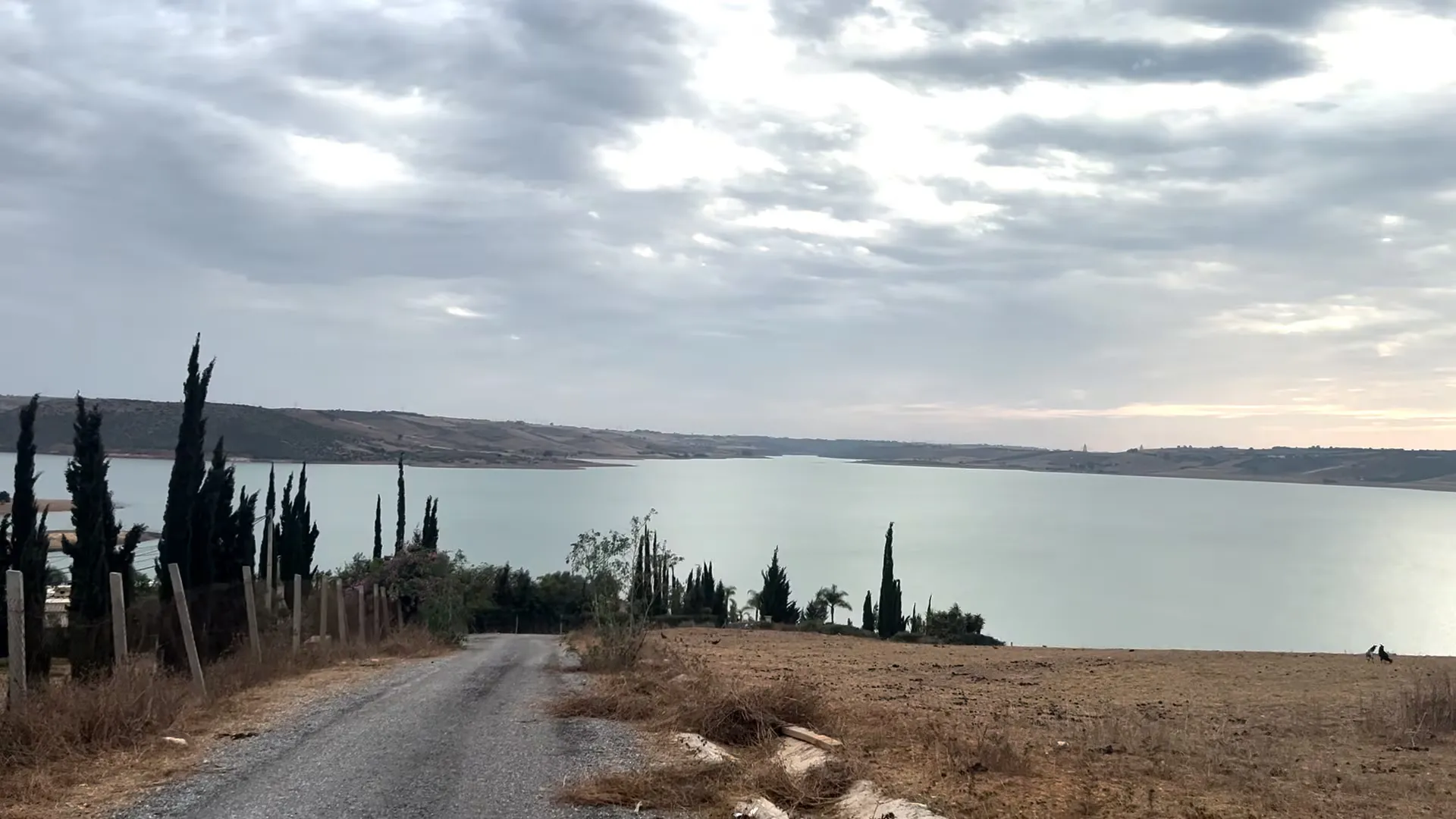
Meanwhile, Casablanca is steadily preparing for its potential role in this historical event, with the Hassan II Stadium emerging in Benslimane. The Moroccan nation may lack the footballing tradition of the Bernabéu or the historical significance of the Camp Nou, yet the World Cup final is not awarded based on historical monuments alone.
In this competition, Morocco presents an argument that is difficult to overlook: a new, colossal stadium explicitly designed to meet the demands of elite international standards, situated within an environment that facilitates the necessary infrastructure. FIFA will have to weigh the stadium's capacity, security measures, transportation, hospitality, media facilities, commercial partnerships, and global visibility of the event—areas where the Hassan II Stadium is far from being an underdog.
The current crisis in Sebta should not cloud judgment. Those in Spain who exploit the ongoing situation to politicize the World Cup discussion would do well to gain some perspective. While it is understandable to feel emotional about Spain's claim to the final, and to view Madrid as a natural host location, the realities of geography, logistics, and FIFA's requirements are not diminished by political tensions between nations. The 2030 World Cup is a collaborative effort between three countries: Spain, Portugal, and Morocco, the latter of which has played a significant role in shaping this candidature and is investing heavily in the endeavor.
Thus, the pivotal question is not whether Spain "deserves" the final or if Morocco seeks to "take" it from them. The real inquiry is much simpler: which stadium will best meet FIFA's stringent requirements when all constraints are considered? While no one can definitively predict the outcome, one thing is certain: the Hassan II Stadium is no longer a mere concept on a blueprint; it is a tangible reality. As discussions about the final unfold as if it were already secured by some, construction continues in Benslimane.
As reported by sport.le360.ma.