
Celebrating Moroccan Theatre: The Upcoming Festival
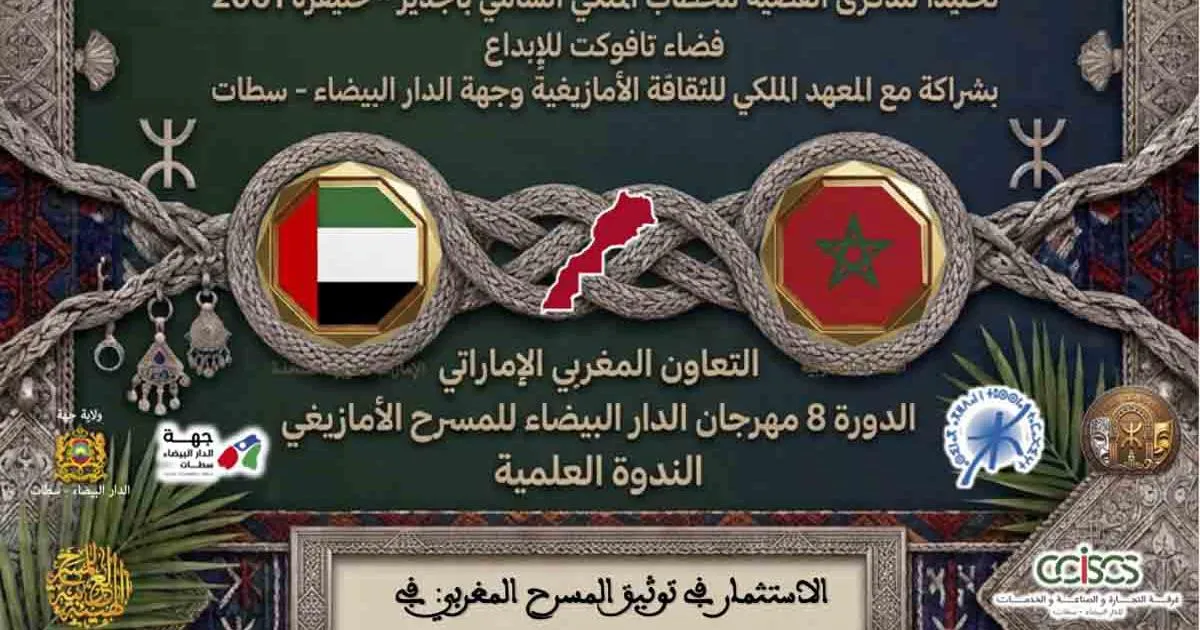
Under the esteemed High Patronage of King Mohammed VI of Morocco, the Tafoukt Creative Space is set to launch the 8th edition of the Casablanca Amazigh Theatre Festival, scheduled to take place from September 30 to October 4, 2026. This year’s event is particularly significant as it commemorates the silver jubilee of the historic Royal Speech delivered in Ajdir (Khenifra) back in 2001. The festival, held in collaboration with the Royal Institute of Amazigh Culture (IRCAM) and the Regional Council of Casablanca-Settat, aims to showcase the richness of Amazigh culture through the performing arts.
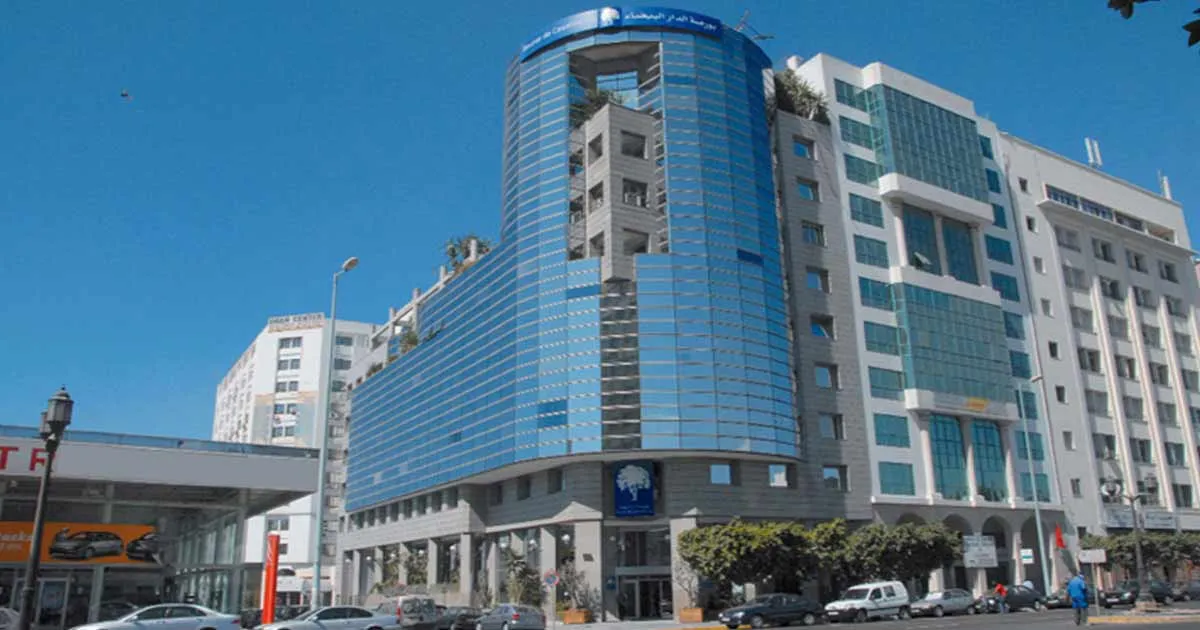
A highlight of this year’s festival will be a major academic symposium titled "Investing in the Documentation of Moroccan Theatre: The Need for a National Repertoire Center for Moroccan Theatre." Scheduled for October 2, 2026, at 4:00 PM in the Conference Hall of the Casablanca-Settat Chamber of Commerce, Industry, and Services, this symposium will serve as a platform for discussing the creation of an Encyclopedia of Moroccan Theatre Documentation, which is set to be published by the Arab Theatre Authority. Spearheaded by Az-Eddine Bounnit, alongside a select group of Moroccan academics, theatre practitioners, and media professionals, the encyclopedia will specifically include a section dedicated to the documentation of Amazigh theatre in Morocco.
Pioneering Discussions on Theatrical Documentation
The symposium will be moderated by Abdelmajid Chakir, a distinguished Professor of Higher Education and theatre director, and will convene a host of prominent researchers and theatrical figures to engage in meaningful discourse. The event will commence with an in-depth examination of the concept paper prepared by Bounnit, who coordinates the Moroccan Theatre Documentation Project. This paper, distributed to attendees, emphasizes the vital institutional nature of theatrical art, asserting that genuine aesthetic success cannot occur without a supportive framework that extends from active theatre troupes to state sponsorship. The symposium will also feature contributions from influential theatre professionals such as Ghannam Saber Ghannam, representing the Arab Theatre Authority, and Messaoud Bouhcine, a Professor of Performing Arts.
During the discussions, the participants will underscore the critical importance of investing in the documentation of theatre, while also analyzing the contemporary theatrical landscape in Morocco. They will highlight a pressing concern: the often transient nature of Moroccan theatrical practice, which frequently lacks a consistent physical presence and institutional backing, resulting in the loss of valuable archival materials and the degradation of cultural memory.
Bounnit articulates that the natural course of theatrical production generates a wealth of creative documents—scripts, directorial notes, and critical reviews—along with institutional records like contracts and correspondence. Collectively, these elements form what is referred to as the "theatrical repertoire" (الرصيد المسرحي), which serves as the foundation for tradition and enables future generations to build upon this legacy.
The concept paper delineates two strategic objectives aimed at preserving Morocco’s theatrical heritage: the first is to develop a comprehensive methodology for cataloging historical documents related to Moroccan theatre, effectively bridging gaps in the national memory. The second objective involves establishing a National Repertoire Center for Moroccan Theatre, which will collaborate closely with Archives du Maroc to ensure document standardization and with the National Library of the Kingdom of Morocco regarding books and manuscripts.
Moreover, the symposium will promote a broader understanding of the term "theatrical holdings/repertoire," advocating for a more inclusive definition that encompasses not only scripts but also all related artifacts and contextual elements of performances. This ongoing documentation process is essential for ensuring accessibility for researchers and integrating Moroccan theatre into international digital frameworks.
In conclusion, the Casablanca Amazigh Theatre Festival and its accompanying symposium serve as a vital call to action for practitioners, critics, and cultural advocates to unite in fostering a national initiative dedicated to the preservation of theatrical memory. This collaborative effort aims to reinforce the rich aesthetic traditions of Moroccan theatre across all genres, offering a platform for public discourse on the implementation of digital standards that safeguard the creative heritage of the nation.
As reported by middle-east-online.com.