
The Activation of the Mecca Agreement: A Critical Juncture
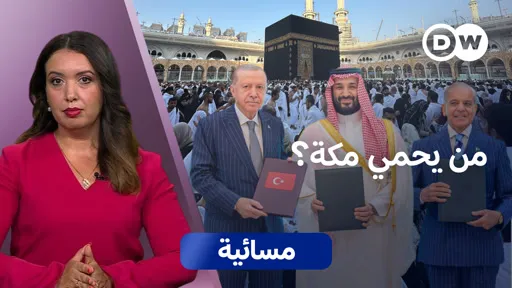
In the wake of recent tensions in the Middle East, the spotlight has turned towards Mecca as questions arise about the activation of the so-called "Mecca Agreement". This agreement, which aims to foster peace and stability in the region, is now under scrutiny following reports of a thwarted drone attack targeting the holy city. The Saudi government has claimed that a missile launched by Houthi forces aimed at Mecca was intercepted, while the Houthis have firmly denied these allegations. This situation poses a pivotal test for the Mecca Agreement, as it encapsulates the ongoing conflict between Saudi Arabia and the Houthi rebels, who have been at odds in the Yemeni civil war for years.
The discussion surrounding this incident has been enriched by insights from various experts. Dr. Ahmad Al-Shahri, a political analyst based in Riyadh, highlights that such provocations not only threaten the sanctity of Mecca but also challenge the broader stability of the region. He emphasizes that the international community must take these threats seriously, as they could have far-reaching implications for peace efforts in the Middle East. On the other hand, Professor Fawaz Gerges from London argues that the Houthis are likely using this incident to showcase their military capabilities and resilience against Saudi Arabia, thus complicating the path towards a peaceful resolution.
The Mecca Agreement, which was initially designed to bring various factions together and prioritize dialogue, now faces its first real test. As these developments unfold, many are left to ponder whether the agreement will be actualized or if it will remain a theoretical construct overshadowed by ongoing hostilities. Observers are encouraged to follow these events closely, as they may signal a crucial turning point in the dynamics of Middle Eastern geopolitics.
As reported by dw.com.