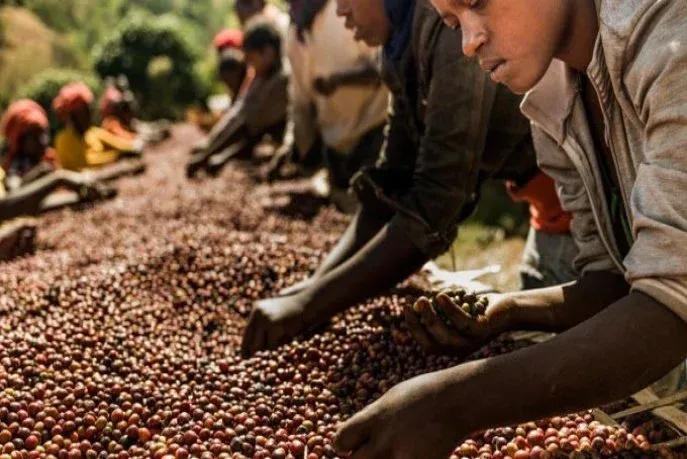

The Transformation of African Coffee in Marrakech
Marrakech, a city renowned for its vibrant culture and rich heritage, is witnessing a significant shift in its coffee industry, transitioning from mere production to achieving a state of value sovereignty. This evolution is poised to redefine the local economy, empowering farmers and stakeholders within the coffee supply chain. By focusing on enhancing the quality and marketability of their coffee products, local producers are not only aiming to elevate the status of African coffee on the global stage but also to ensure that a greater share of the profits remains within the local communities.
The journey toward value sovereignty is fueled by a growing recognition of the potential that high-quality African coffee holds. Marrakech is strategically positioned to capitalize on this potential, leveraging its unique climate and rich soil to produce coffee that is not only competitive in taste but also sustainable in production. This shift is crucial, as it promises to enhance the livelihoods of local farmers, who traditionally receive a fraction of the profits generated from global coffee sales.
To achieve this ambitious goal, collaboration among various stakeholders is essential. Local governments, agricultural organizations, and international partners are coming together to support initiatives that promote sustainable farming practices, provide necessary training for farmers, and create robust market linkages. This collective effort is aimed at building a resilient coffee economy that prioritizes quality over quantity, ultimately leading to increased profitability and sustainability.
Empowering Local Farmers and Communities
Empowering local farmers is at the heart of this transformation. By providing access to resources, education, and fair trade opportunities, the coffee sector in Marrakech is evolving into a model that prioritizes the welfare of its producers. This empowerment not only boosts individual incomes but also strengthens the community as a whole, fostering a sense of pride and ownership among the farmers. As producers take control of the entire coffee value chain—from cultivation to marketing—they can ensure that their unique flavors and characteristics are highlighted, thus appealing to a discerning global audience.
Moreover, the emphasis on organic and sustainable farming practices is gaining traction. As consumers around the world become more environmentally conscious, the demand for ethically sourced coffee continues to rise. Marrakech's coffee producers are responding to this trend by adopting methods that reduce their environmental footprint, thereby enhancing the marketability of their products. By aligning with global sustainability goals, the local coffee industry not only stands to benefit economically but also contributes positively to the global coffee narrative.
In conclusion, the coffee revolution in Marrakech represents a significant stride towards achieving value sovereignty within the African coffee sector. By focusing on quality, sustainability, and the empowerment of local farmers, this initiative has the potential to create lasting economic benefits for the region, ensuring that the fruits of their labor are justly rewarded. The future of African coffee is bright, and Marrakech is at the forefront of this exciting transformation.
As reported by financialafrik.com.