
The Financial Struggles of the African Union
The African Union (AU) is grappling with escalating financial difficulties, which have been exacerbated by the failure of more than 40% of its member states to fully pay their annual contributions. In addition to this internal shortfall, international funding has fallen short of expectations. Even with increased contributions from countries like Ethiopia, the AU's structural financial gaps remain unaddressed, highlighting a critical issue within the organization.
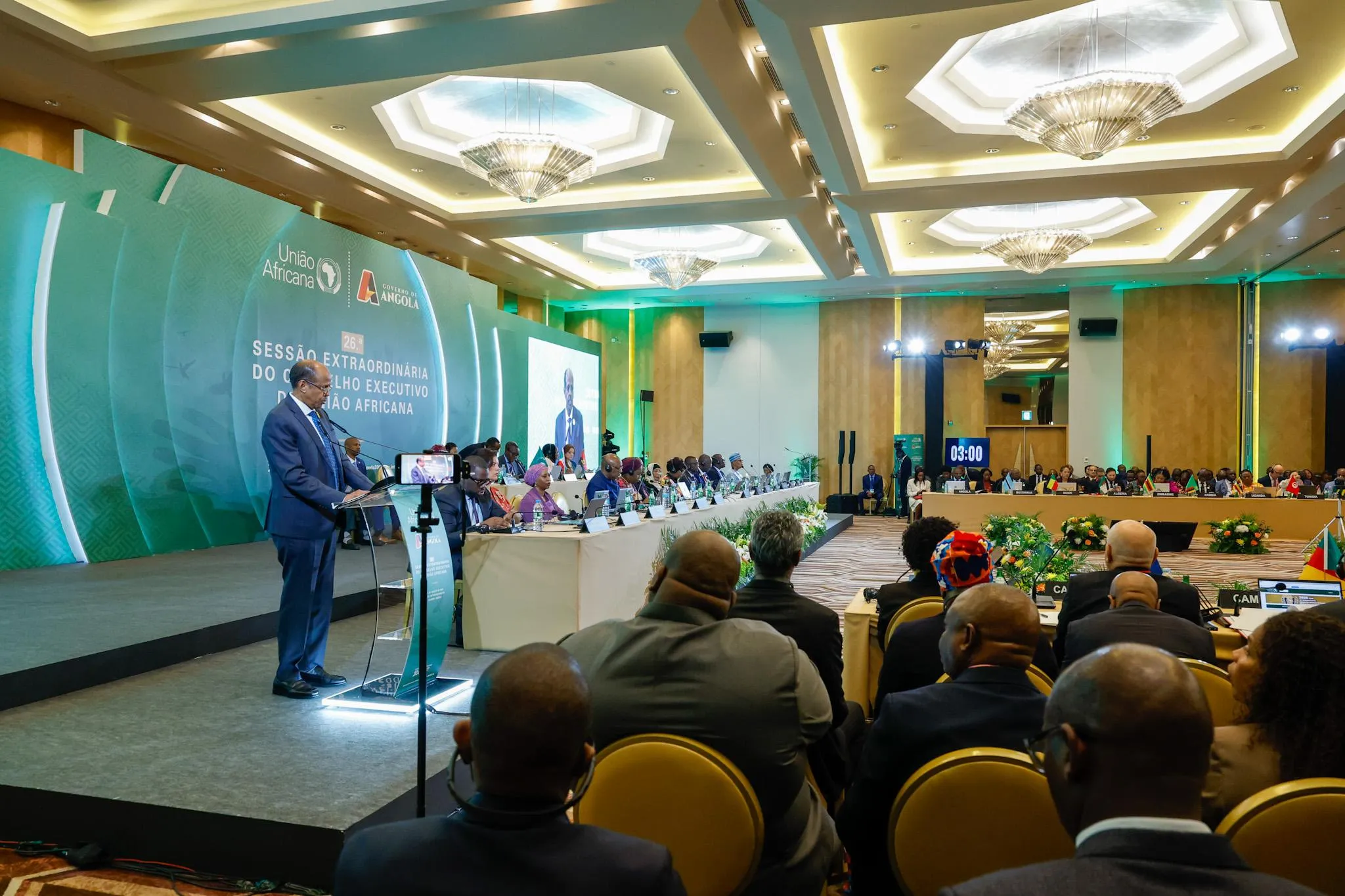
Ethiopia has announced plans to raise its annual mandatory contribution to the AU to $15 million starting in 2027, elevating its status to the highest contribution class. This decision was made public during the 49th ordinary session of the AU Executive Council held in Addis Ababa. The increase signifies that Ethiopia will now contribute nearly double what it previously did and will join the ranks of financially significant contributors such as Algeria, Egypt, Nigeria, South Africa, Morocco, and Angola.
Up until now, Ethiopia was classified in the second contribution class, with its regular payment totaling nearly $8 million by the end of 2025, as reported by The Reporter referencing AU documents. Furthermore, Kenya is also expected to increase its contributions starting in 2027.
Challenges in Financing and Sustainability
The first contribution class comprises the financially strongest AU member states, which collectively provide 45.15% of the regular budget and contributions to the Peace Fund. However, it is important to note that these higher payments do not afford them additional voting rights. The AU is currently facing substantial outstanding contributions from countries like Sudan, which owes approximately $74 million. Other nations such as Libya, South Sudan, Burkina Faso, Mali, Guinea, and Niger contribute to this deficit, with total arrears exceeding $30 million.
The AU has described its financing as neither predictable nor sustainable, indicating that a significant portion of its programs continues to rely heavily on international partners. Historically, nearly two-thirds of the AU's budget has come from external sources, particularly from the European Union and other development partners. Unfortunately, this support has also been less than anticipated; for 2024, the AU projected $404 million from development partners but ultimately received only $288.6 million.
In 2016, AU member states in Kigali agreed on a model aimed at enhancing self-financing through a 0.2% levy on specific imports. However, countries have been allowed to meet their AU obligations through other national revenues. Approximately 20 member states have enacted laws to incorporate this levy into their customs systems or to fund their AU contributions. A total of 17 states have fully implemented this model, including Rwanda, Kenya, Ethiopia, Djibouti, Ghana, Côte d'Ivoire, the Democratic Republic of Congo, Morocco, and Sudan. However, several large economies such as South Africa, Nigeria, Algeria, and Egypt have refrained from implementing the import levy, citing obligations under World Trade Organization rules and regional trade agreements, instead settling their contributions through national budgets.
The AU initially aimed to finance its administrative budget entirely, its program budget by 75%, and the Peace Fund by 25% from its own resources. These goals, however, have yet to be realized. The financial crisis has been particularly evident in the organization's peace and security operations, with the African Union Support and Stabilization Mission in Somalia (AUSSOM) already operating with limited resources.
The United States has announced that it will not continue its logistical support for the Somalia mission beyond the end of 2026. This support is organized through the United Nations Support Office in Somalia (UNSOS). Additionally, there is a dispute over the application of UN Security Council Resolution 2719, which generally stipulates that UN-authorized AU missions should finance 75% of their costs through mandatory contributions from UN member states, while the AU would cover the remaining 25%. The United States has blocked the application of this model to AUSSOM, citing financial concerns as well as requirements related to human rights and operational accountability.
AUSSOM has also inherited approximately $94 million in outstanding obligations to troop-contributing countries from the previous ATMIS mission, with the current logistical contribution from UNSOS being estimated at over half a billion dollars. In 2024, the African Union spent a total of $169 million on personnel and services, with an additional $143 million allocated for peace missions. Meanwhile, the organization's outstanding liabilities amounted to $283 million, nearly half of which was owed to countries that provided soldiers for AU missions.
As reported by fokus-afrika.de.