
The Unbearable Reality of Youth Unemployment in Morocco
The statistics surrounding youth unemployment in Morocco are startling and demand immediate attention. As reported by the International Labour Organization and echoed by the World Bank, the unemployment rate for Moroccan youth aged 15 to 24 soared to an alarming 21.9% in 2025, which is more than double the national average of 9%. This means that one in five young Moroccans is unable to find work in a nation that continues to produce a new generation of job seekers each year, while the labor market remains structurally incapable of accommodating them. This situation is not merely a short-term economic blip; it represents a serious systemic failure, a testament to the lack of effective policy responses to a deeply rooted problem.
The summer of 2025 starkly illustrated the dire state of public services in Morocco, epitomized by a tragic incident at the Hassan-II hospital in Agadir, where eight women lost their lives during cesarean sections. This heart-wrenching event sparked a movement known as GenZ212, led by a youth demographic that seeks not extravagant demands but rather basic guarantees for life and education: hospitals that save lives, schools that educate effectively, and an administration free from the corruption it is supposed to combat.
Government Response: Reactive Measures Rather Than Proactive Policies
The Moroccan government's response to the mounting social unrest has been alarmingly disproportionate. According to Human Rights Watch, authorities conducted approximately 2,100 arrests, with legal actions initiated against at least 1,400 individuals, including 330 minors, and three fatalities reported during the crackdown, as documented by the Moroccan Association for Human Rights. This disparity between the scale of legitimate social anger and the brutal governmental response is striking. While the government has announced a 2026 budget allocating around €13 billion for health and education, and nearly €3.9 billion for social protection, these measures seem to be reactions rather than proactive policies designed to address the underlying issues. Allocating funds after preventable deaths and months of repression does not equate to effective governance; it reflects a response driven by public pressure rather than foresight.
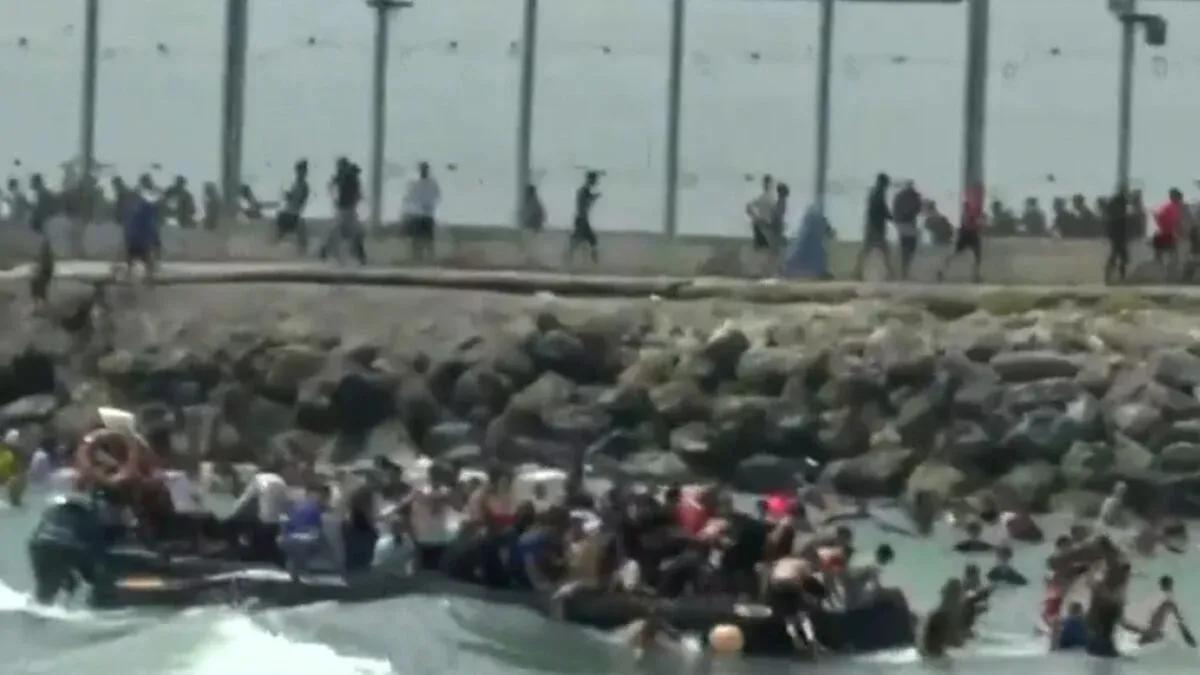
The credibility of a government that waits for tragic events to occur before increasing health budgets is severely compromised among its youth. Moreover, the situation in Ceuta, where over 72,000 individuals crossed into the Spanish enclave by late July 2026, resulting in at least 96 fatalities according to Reuters, indicates a desperate search for a better future. Mass migration driven by the perilous risks of death at sea or at borders occurs only when individuals lose faith in the prospects their own country offers.
Morocco's approach to this migration crisis has mirrored its response to the protests of 2025, focusing primarily on security measures: enhancing border controls and conducting arrests, with at least 111 individuals intercepted on August 14, according to Reuters. This response fails to address the root causes driving thousands of young people to risk their lives rather than remain in a stagnant environment. In contrast, the European Union is investing €112 million to bolster Morocco's economic and social resilience, suggesting that addressing the root causes of emigration is preferable to merely containing it afterward.
Rabat would do well to apply this logic to its own internal policies rather than outsourcing responsibility to European partners. It would be overly simplistic to attribute the youth unemployment crisis solely to the private wealth of the royal family, but it is critical to recognize the systemic issues at play. Moroccan youth are facing unprecedented unemployment, and the government’s initial response has been primarily judicial and repressive, culminating in a migration crisis that has arisen from despair rather than coincidence.
The challenges facing Morocco extend beyond resource allocation; they are fundamentally about timing and methodology. The government needs to implement reforms proactively, rather than reactively addressing crises after they occur, and to prioritize reformative measures over repressive actions. Only by acknowledging and addressing these systemic issues can Morocco hope to forge a more promising future for its youth.
As reported by afrik.com.