
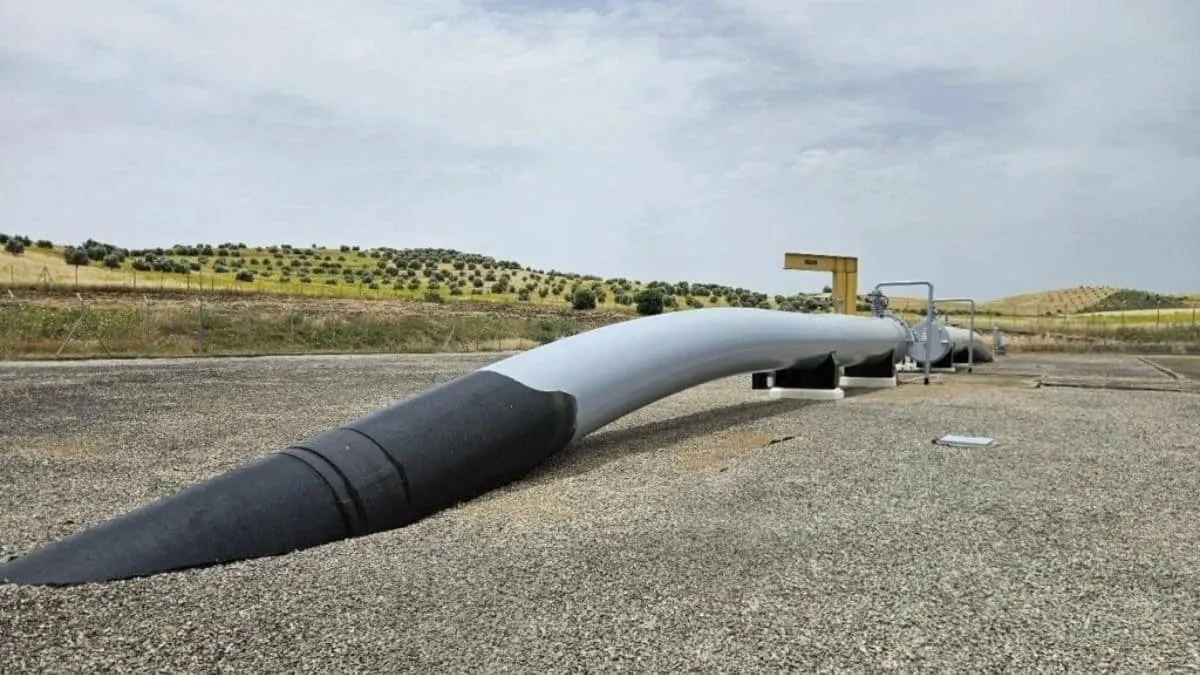

Significant Developments in the Atlantic African Gas Pipeline Project
On July 19, 2026, a pivotal intergovernmental agreement was signed by the member states of ECOWAS in Freetown, Sierra Leone, marking a significant step forward for the Atlantic African Gas Pipeline (AAGP) project. This ambitious initiative aims to transport West African gas from Nigeria through Morocco to Europe, leveraging vast gas reserves in Nigeria, Senegal, and Mauritania. The forthcoming signatures from Morocco and Mauritania will finalize this agreement, establishing a governance structure that shares responsibilities between Casablanca and Abuja. A project company will be established in Morocco to spearhead the structuring, development, and operation of the pipeline, while the supervisory authority will be based in Nigeria.
The total estimated cost of the project amounts to $25 billion, and the financing strategy will utilize a diverse array of instruments to attract capital from both African and international markets. In Morocco, the latest announced route, designated R24, aims to minimize socio-environmental impacts over a 1,830 km land segment by avoiding sensitive areas, mobile dunes, electric lines, and karst soils. The operational timeline targets the first delivery of gas by 2031, corresponding with the deployment of the project's first phase, which will primarily be fed by resources from the Senegal-Mauritania basin, including the cross-border GTA field, with potential contributions from Yakaar-Teranga and Bir Allah to secure gas flows to Morocco and Europe.
Key Financial and Operational Considerations
The intergovernmental agreement represents a crucial milestone towards the final investment decision (FID), expected within the coming year. As highlighted by Amina Benkhadra, the Director General of ONHYM, the establishment of the project company in Casablanca is among the subsequent major steps, along with the formation of the pipeline's supervisory authority in Abuja. Nawfal Drari, Project Finance Director at ONHYM, elaborated on the roadmap for this Moroccan entity, which will oversee the entire value chain from design to operation, managing tender processes and contract signings.
The project company will be tasked with raising funds and attracting investors through a hybrid financial model that combines concessional financing from multilateral and bilateral development banks, national and international bank loans, as well as project bond issuance, particularly in the Moroccan market. The project's feasibility heavily relies on the rich gas resources it aims to transport. Nigeria holds approximately 210 trillion cubic feet (Tcf) of proven gas reserves and an additional potential of up to 600 Tcf, making it one of the most significant gas potential areas globally.
The initial phase of the pipeline will develop two independent segments: the northern segment connecting Morocco to Mauritania and Senegal's gas resources, and the southern segment linking Ghana and Ivory Coast. The anticipated first gas delivery is projected for 2031, with subsequent phases aiming to connect these segments and extend the network to Nigerian gas fields, ensuring continuity between Nigeria, Morocco, and Europe. For the northern segment, the gas supply will primarily come from the combined resources of Senegal and Mauritania, particularly the GTA field, which has already surpassed its nominal production capacity.
In conclusion, the R24 route is being optimized through environmental and social impact assessments, balancing technical feasibility and economic viability. Adjustments have been made to align the route closely with existing roads to simplify logistics while minimizing environmental disturbances. The project will include crucial infrastructure components such as reception stations and compression stations, ensuring secure and efficient gas transport across Moroccan territory.
As reported by medias24.com.

