
The Race to Host the 2030 World Cup Final
The competition to host the final of the 2030 FIFA World Cup has intensified, evolving into a compelling three-way contest among three prominent locations: Madrid, Barcelona, and Casablanca. The iconic Spotify Camp Nou, home to FC Barcelona, has emerged as a serious contender, joining the ranks of the Santiago Bernabéu Stadium in Madrid and Morocco's Grand Stade Hassan II in Casablanca. Initially, Madrid appeared to have the upper hand due to its rich footballing history and state-of-the-art facilities, but recent developments have shifted the dynamics of this prestigious bidding war.
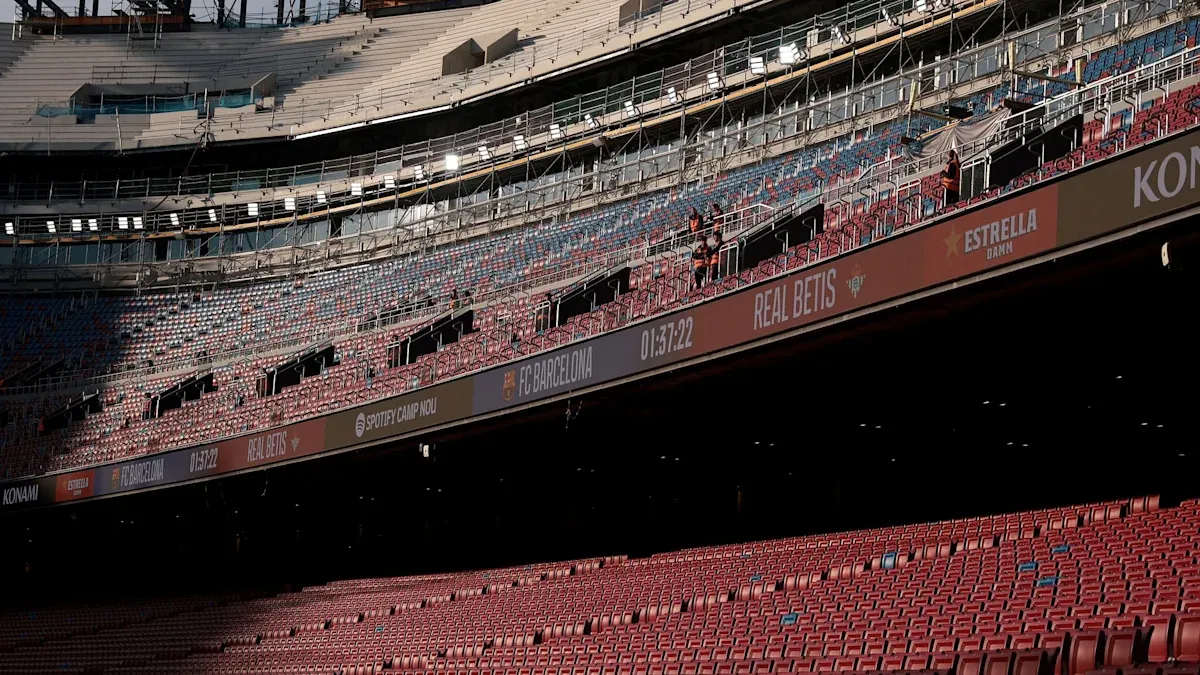
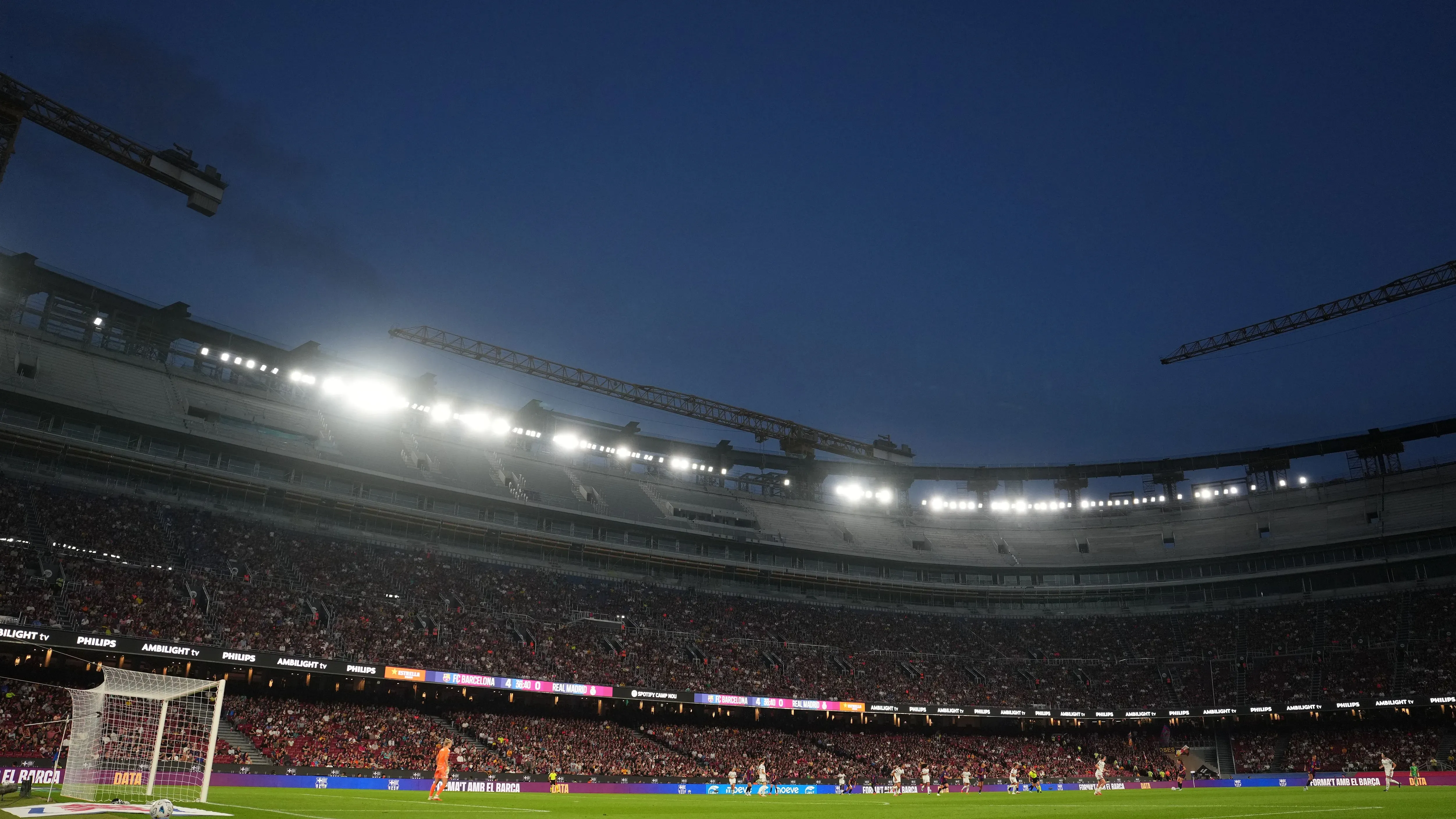
In recent months, Morocco has significantly escalated its campaign to position Casablanca as a prime destination for the World Cup final, while Barcelona has reinforced its aspirations by emphasizing the extensive renovations of Camp Nou, which is set to accommodate approximately 104,000 spectators by 2030. The upgrades to Camp Nou not only enhance its capacity but also its appeal as a modern venue capable of hosting major international events. Furthermore, Barcelona's president, Joan Laporta, has publicly endorsed the idea of hosting the World Cup final, highlighting the city’s commitment and capability to deliver a remarkable event.
The Unique Attributes of Each Contender
Each city brings distinct advantages to the table in this competitive bidding process. For Barcelona, the massive capacity and ongoing renovations of Camp Nou play a pivotal role, coupled with the stadium's future status as the venue for the 2029 UEFA Champions League final. Meanwhile, Madrid's Santiago Bernabéu boasts a historic legacy and has undergone extensive renovations, with investments totaling around 1.4 billion euros up to June 2026. This redevelopment not only includes the stadium itself but also enhances the surrounding infrastructure, making it a highly attractive option for FIFA.
On the other hand, Casablanca presents a bold vision with the Grand Stade Hassan II, designed to host up to 115,000 spectators, marking it as the largest of the three contenders. The Moroccan bid is not solely focused on the stadium; it also encompasses significant investments in transportation, including enhancements to the local airport and railway systems, which would facilitate accessibility for international visitors.
As FIFA prepares to make a decision, the final verdict on the host city for the 2030 World Cup final is anticipated to be revealed by 2028. The backdrop to this decision will include the FIFA Congress scheduled for March 18, 2027, in Rabat, where the federation's presidential elections will take place. With Gianni Infantino vying for another term, the outcome of the World Cup final location will be closely watched by all three bidding cities, each eager to secure their legacy in football history.
As reported by livescore.com.