
The Ongoing Rivalry for the 2030 World Cup Final
The media and popular rivalry between Spain and Morocco continues to intensify around the organization of the 2030 World Cup final, while the International Federation of Association Football (FIFA) maintains its official stance of neutrality. As of now, no definitive decision has been made regarding the venue for the most significant match of the tournament. Although an official announcement may not come for at least another year, possibly extending to 2028, current indicators suggest a clear preference. Within the global football institutions, forecasts indicate that Madrid's Santiago Bernabéu Stadium is the leading contender to host the final, while Casablanca and Barcelona appear to be the most favored cities for the two semi-finals.
Despite the evident tensions that have surfaced between Spain and Morocco due to the competition for the final, there has been no fundamental shift in the previously outlined scenario. The situation is not merely a matter of sports; it intertwines political calculations, institutional dynamics, and the influence each country wields within the global football framework.
Bernabéu: The Leading Candidate
Spain enjoys substantial influence in the realm of football, a fact that FIFA has not attempted to conceal, despite the controversies stemming from its rivalry with Morocco over the final's organization. Meanwhile, Morocco has made significant strides in recent years politically, athletically, and organizationally, enhancing its presence within the global football system. However, a gap remains between Morocco and Spain in terms of influence, historical significance, and institutional presence in football.
Reports suggest that Santiago Bernabéu Stadium maintains a favorable position in the calculations for hosting the final, with predictions leaning toward holding one semi-final in Casablanca and the other in Barcelona. To date, this scenario has not changed, despite mutual declarations and media campaigns reopening the debate about which city will host the final match, as noted by the Spanish newspaper AS.
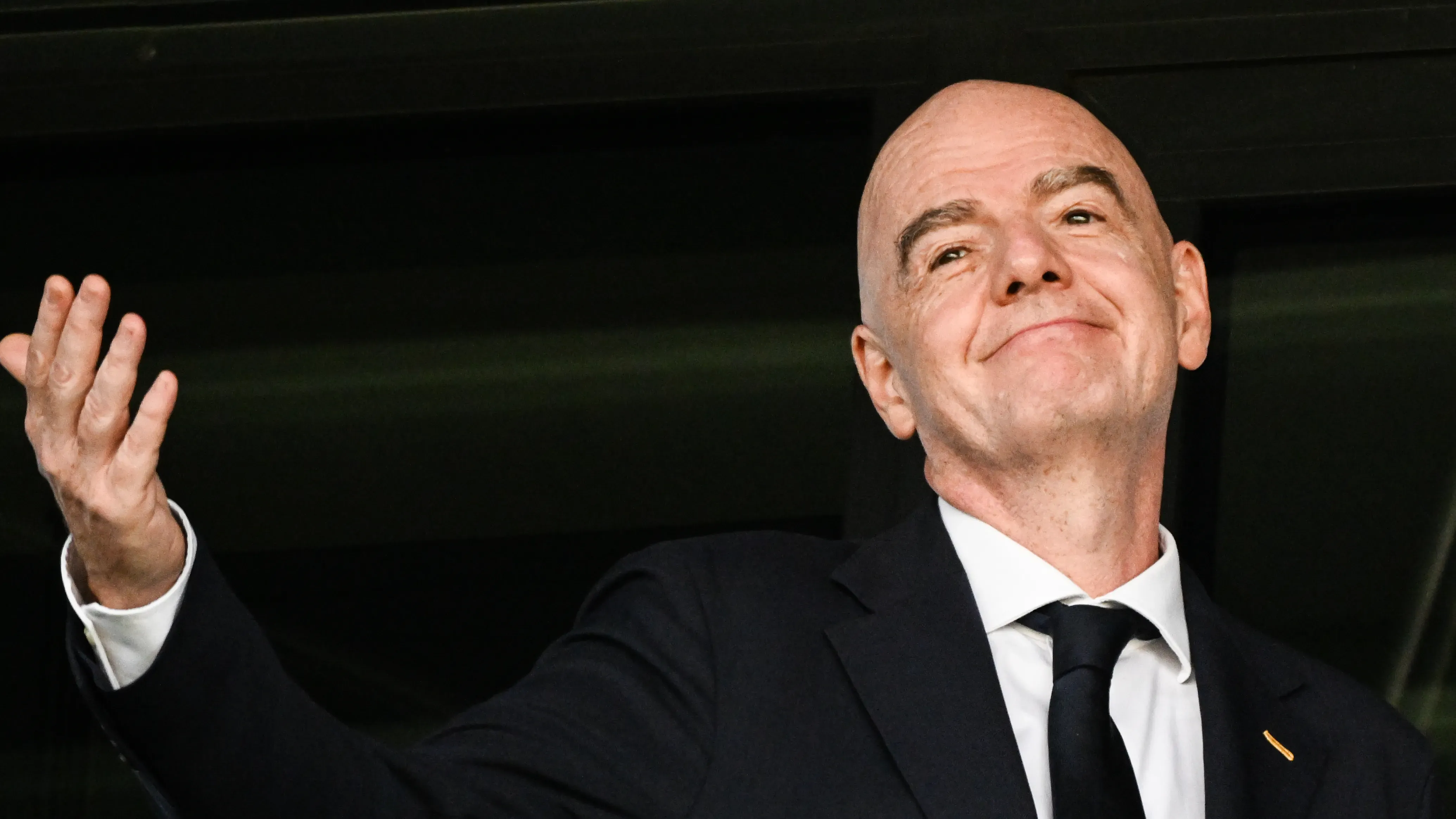
Additionally, an unspoken agreement appears to exist between Real Madrid and FIFA President Gianni Infantino, based on the belief that the 2030 World Cup final should take place in Spain's capital, specifically at Santiago Bernabéu Stadium. While this understanding has not progressed to an official agreement or signed document, FIFA retains the ultimate authority over match venues. Nonetheless, this long-standing scenario partially explains why the name of Real Madrid's stadium remains at the forefront of discussions.
Despite some cooling in the relationship between Real Madrid and Infantino amid disagreements and diverging positions, this shift has not significantly impacted the previous scenario regarding the final. The Santiago Bernabéu Stadium remains a robust candidate in the running.
The upcoming FIFA presidential elections could dramatically alter the landscape surrounding the 2030 World Cup. The uncertainty within FIFA regarding its presidential future adds another layer of complexity. Several issues are expected to clarify in the coming months as Infantino prepares for his campaign. It remains to be seen whether he will face a challenger, a question that may gain clarity by the end of November, potentially shaping the direction of FIFA's next steps.
Consequently, the upcoming FIFA presidential election could be pivotal in understanding many uncertainties related to the 2030 World Cup, far beyond merely determining the final's venue.
The recurring debate over host cities reflects ongoing tensions. Periodically, both Spain and Morocco have advanced their candidacies for hosting the final, leading to renewed waves of discussions and controversies. Some of this discourse illustrates a lack of clarity regarding the mechanism by which host cities and stadiums for the tournament will be determined, as reported by the newspaper AS.
Ultimately, the World Cup project is not merely the result of prior consultations among the host nations but rests on FIFA's management, which has the final say on all organizational aspects.
Morocco's recent advancements cannot be overlooked, particularly as it became the last country to officially join the bid to host the 2030 World Cup alongside Spain and Portugal. Morocco's political and sporting influence has seen a notable increase in recent months, complemented by repeated media and promotional campaigns highlighting the quality of its stadiums, infrastructure, and organizational preparations.
These efforts, along with certain statements from Infantino, have raised numerous questions in the media and public discourse regarding Morocco's ability to secure the final from Madrid. Although the initial bid included the Santiago Bernabéu as the designated venue for the final, this scenario has yet to solidify into an official binding agreement, as FIFA remains the authority responsible for World Cup organization since 2022.
In the coming months, FIFA is expected to take a more direct approach in managing the 2030 World Cup, following the initial efforts of the host nations to prepare a joint bid and develop the necessary infrastructure and stadiums. One of the first steps will involve forming the organization responsible for managing the tournament, a process that has yet to be realized. No official date has been set for a meeting or document release within FIFA to initiate this process.
When this organizational partnership commences, FIFA will begin to manage the tournament's details, including selecting the candidate cities for hosting matches. This stage will be preceded by reviewing documentation for each city and conducting site visits to stadiums and facilities, as well as assessing the progress of construction for new stadiums and necessary upgrades to existing facilities to meet FIFA's standards.
Therefore, the selection process for cities and stadiums will rely not solely on statements or media campaigns but will be subject to a series of technical and organizational procedures conducted by FIFA.
Current data indicates that the ongoing controversy surrounding the 2030 World Cup final does not necessarily reflect an official stance within FIFA. As of now, no definitive decision has been made regarding the match venue, and the official race has not entered its decisive phases. It may still be at least a year before the selection process begins to clarify, and the resolution could extend to 2028.
FIFA officials will need to revisit stadiums and facilities in contention, examining their readiness and capacity to host tournament matches according to international requirements and standards. Therefore, the current situation between Spain and Morocco can be characterized more as an early struggle for influence, image, and political and sporting messaging rather than an official race approaching its final stages.
Despite all these calculations, Santiago Bernabéu Stadium remains central to the discussion, whether due to Real Madrid's global status, Spain's position within the football system, or the previous plans that included the stadium in the final organizational framework. Concurrently, Morocco seeks to leverage its considerable developments in football, infrastructure, and political influence to enhance its chances and avoid merely playing a secondary role in the organization.
However, the final decision will rest not with Spain or Morocco, but with FIFA, which will soon initiate a comprehensive evaluation process of the stadiums and cities before reaching the final decision. Hence, the battle for the 2030 World Cup final has not officially commenced, yet it is already actively unfolding on media and political fronts. The coming months could prove crucial in shaping the future of this competition, especially in light of the upcoming FIFA presidential election.
At this juncture, the most accurate representation of reality suggests that Santiago Bernabéu remains at the forefront of the race for the final, with Casablanca and Barcelona vying for the two semi-final slots, yet no official resolution has been made on the matter to date.
As reported by goal.com.