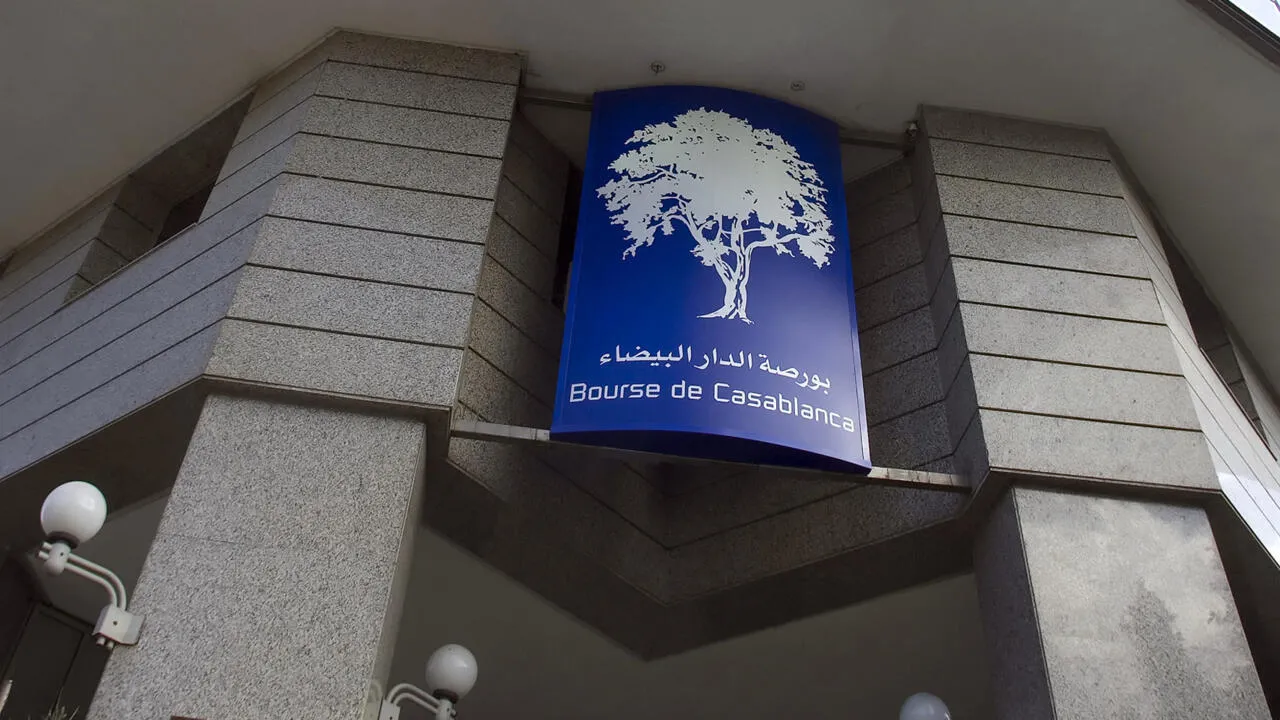

The Casablanca Stock Exchange's Remarkable Growth
The Casablanca Stock Exchange has witnessed an impressive surge in recent years, showcasing resilience amidst global economic challenges, including the ongoing Middle Eastern crisis. The Moroccan All Shares Index, commonly referred to as MASI, is projected to continue its upward trajectory into 2026, driven primarily by the resurgence of retail investors and the excitement surrounding the upcoming 2030 FIFA World Cup, which Morocco is co-hosting. This momentum is not just a fleeting trend; it reflects a significant shift in the investment landscape of Morocco.
On July 18, 2025, the Casablanca Stock Exchange celebrated a historic milestone by surpassing a market capitalization of $100 billion, a feat that had not been achieved before. Economists like Mohammed Jadri attribute this remarkable growth to various factors, including the forthcoming World Cup and an influx of companies seeking to raise capital. Jadri emphasizes that the current objective of the exchange is to facilitate at least one initial public offering (IPO) per month, marking a new era of investment opportunities for both institutional and retail investors.
The economic outlook for Morocco remains promising, with a GDP growth rate anticipated to approach 5% in 2026. This optimistic forecast is further reinforced by the diversification of the investor base, which now includes not only large institutional investors but also individual investors, public sector employees, and private sector workers. Such diversification signifies a growing public interest in the stock market, which was previously dominated by big players.
Casablanca's Position in African Finance
The return of retail investors has been pivotal in propelling the Casablanca Stock Exchange to new heights. Investors like Jalal, a senior project manager in the IT sector, recognize the changing dynamics of the exchange, which has endured its share of difficulties, including the withdrawal of major companies and the impacts of the COVID-19 pandemic. However, the announcement of Morocco hosting the World Cup in 2030 has fostered a renewed sense of optimism among investors. Retail investors now account for approximately 30% of market transactions, indicating a significant shift towards broader participation in the stock market.
Investing in the stock market has never been more accessible, thanks in part to the rise of trading platforms that simplify the investment process for everyday individuals. Jalal expresses his hopes for the future, stating that he envisions a thriving market that attracts even more companies to list their shares, thereby enhancing the Moroccan stock market's overall dynamism and offering more investment opportunities.
Despite two years of strong growth, the Casablanca Stock Exchange is currently in a phase of consolidation, with the MASI index showing a decline of approximately 5% since the start of the year, largely attributed to geopolitical tensions in the Middle East. Jadri notes that while concerns about a speculative bubble arose last year, the ongoing conflict has also yielded some positive outcomes for the financial market, showcasing its resilience and adaptability. Today, Casablanca ranks as the second-largest financial hub in Africa, although it still trails significantly behind Johannesburg, which boasts a market capitalization ten times greater.
As reported by rfi.fr.